The Eoarchean Era: When Earth’s crust first hardened and life may have begun
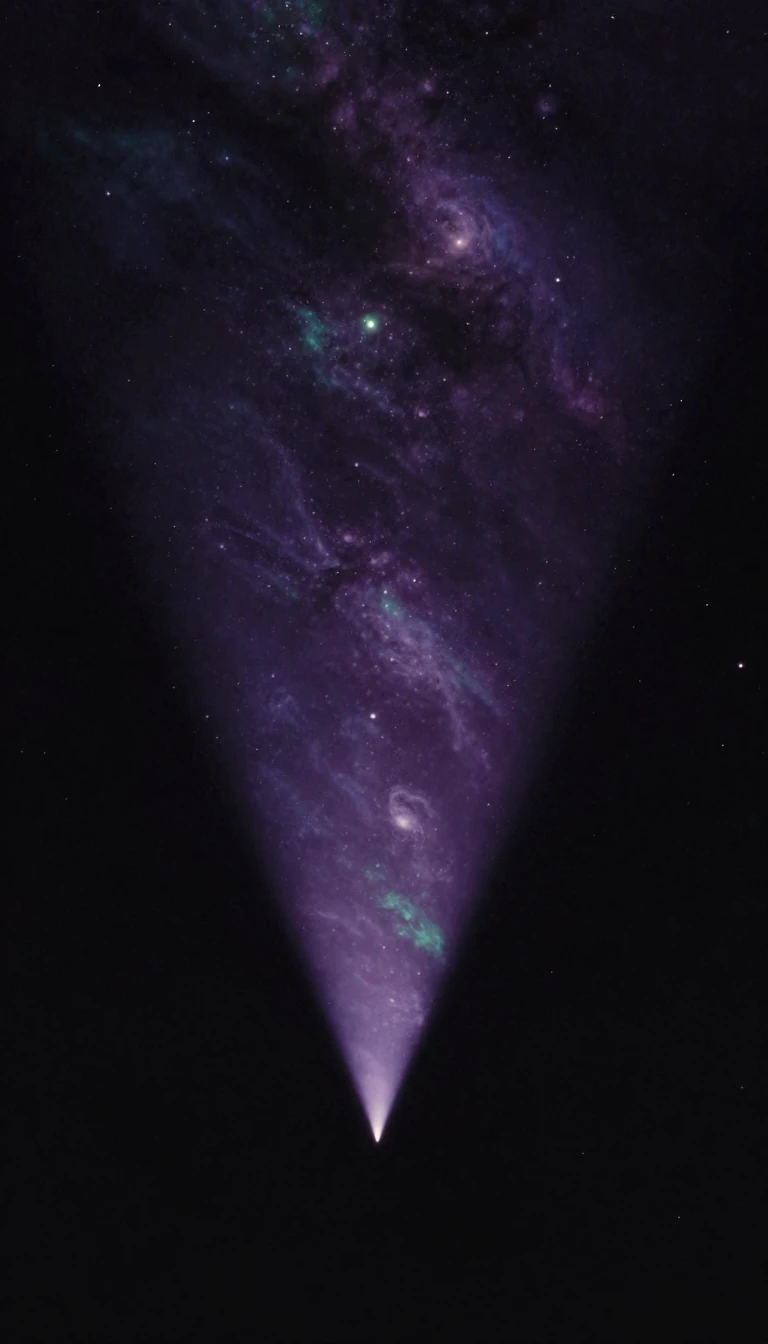
In short: The Eoarchean marks the dawn of the geological record, beginning four billion years ago. As the planet cooled from its molten Hadean state, the first stable crust formed, setting the stage for oceans, primitive atmospheres, and potentially the earliest stirrings of life in a world under constant asteroid bombardment.
The Eoarchean represents the first era of the Archean Eon, spanning from 4 billion years ago to 3.6 billion years ago. This period followed the Hadean Eon, an informal interval characterized by Earth’s initial formation and intense planetary accretion. While the Hadean left no preserved rocks, the Eoarchean provides the earliest physical archives of our planet's history, including the 4.031-billion-year-old Acasta Gneiss in Canada and the 3.85-billion-year-old Isua belt in Greenland.
Geologists view the Eoarchean as a time of extreme environmental conditions. The atmosphere was anoxic, and the planet faced heavy asteroid bombardment. Despite this, evidence suggests the hydrological cycle was already active. Carbonate precipitation, likely driven by hydrothermal vents heating seawater, acted as a critical sink for atmospheric carbon dioxide, helping regulate the planet's early climate. This era remains a subject of intense investigation, particularly regarding the emergence of life.
Whether life existed during the Eoarchean is a central debate. While prokaryotic fossils appear in rocks dated to 3.5–3.7 billion years ago, some researchers point to ancient graphite fragments or carbon-12 enrichment in 3.85-billion-year-old apatite as potential signatures of earlier biological activity. These findings suggest that life might have emerged before 3.95 billion years ago, though the fragmentary nature of the geological record makes definitive proof elusive. Understanding this era is essential for modeling how Earth’s continental crust evolved from buoyant 'life-rafts' into the stable landmasses we recognize today.
The study of Eoarchean crust is complicated by subsequent geological reworking. Between 3.2 and 3.0 billion years ago, a period of crustal rejuvenation saw hot magmas injected into older felsic crust, diluting the original signatures of these ancient rocks. By analyzing detrital zircon grains, scientists can now trace these primordial components, revealing how the planet’s oldest materials were recycled and preserved through billions of years of tectonic and magmatic activity.
Opens the Intellect+ feed with this card first. Swipe up for the next one.
Sources
- Summary by Intellect · source: Archean Eon | Atmosphere, Timeline, and Facts | Britannica
- Also: Widespread reworking of Hadean-to-Eoarchean continents during Earth’s thermal peak - Nature Communications
- Also: Eoarchean
To cite this card, link to https://intellectplus.co.uk/app/nature-eoarchean.
How we source, check and correct cards: Editorial standards.
General information, not professional advice. Spotted an error? Flag the card or see corrections and complaints.
Intellect Plus is a visual educational discovery platform for exploring fascinating facts and ideas. Brain Food, Not Brain Rot. What is Intellect Plus?
Related
More in Geology · More in Nature · Latest · A–Z · All topics
