The epicenter is not necessarily where an earthquake causes the most destruction
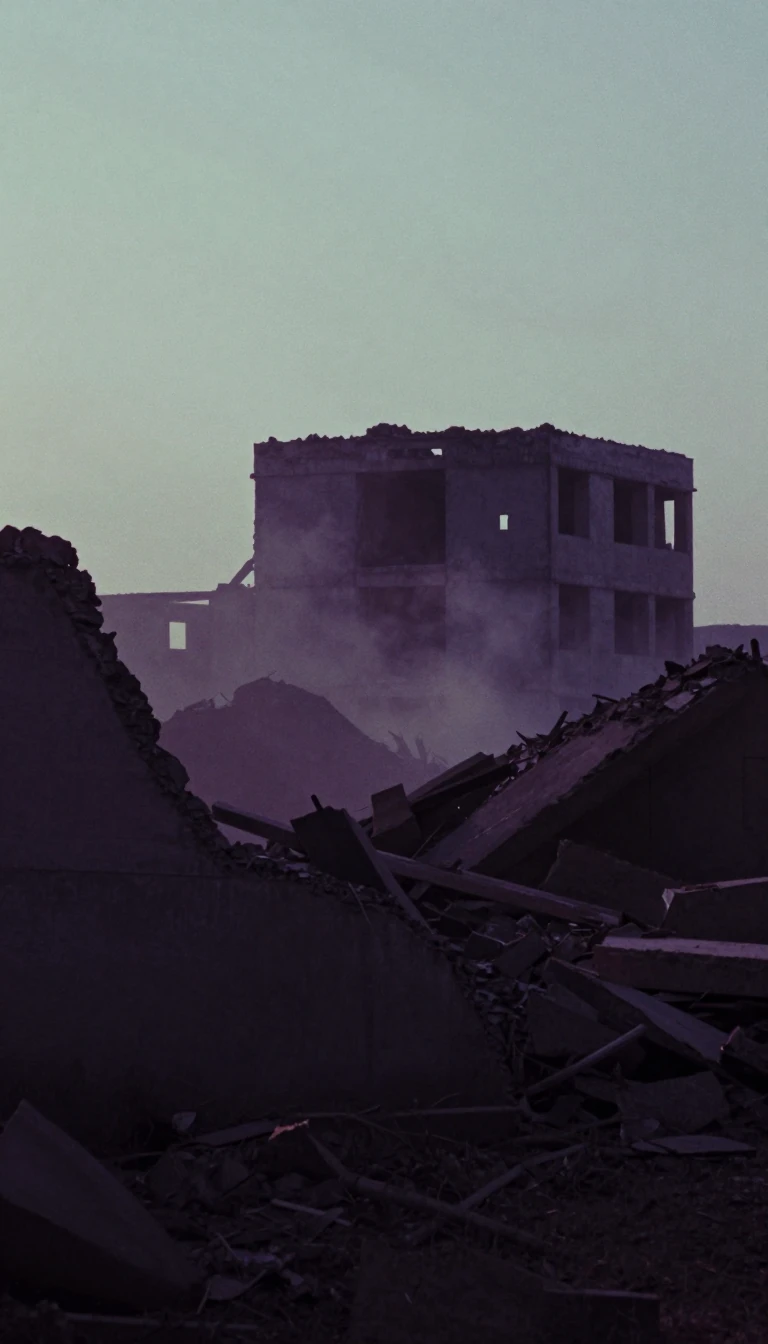
In short: We often mistake the epicenter for the heart of an earthquake's damage, but geology tells a different story. While the epicenter sits directly above the underground rupture, the most severe destruction can occur hundreds of kilometers away. Understanding this distinction is vital for mapping the true mechanics of seismic events.
In seismology, the epicenter is the point on the Earth's surface directly above the hypocenter, or focus, where an earthquake’s rupture begins. This term, coined by Irish seismologist Robert Mallet, comes from the Greek for 'situated on a centre.' Historically, before instrumental records, observers assumed the epicenter was the site of maximum damage. However, modern data proves this is often incorrect. In the 2002 Denali earthquake in Alaska, which reached a magnitude of 7.9, the epicenter was located at the western end of the fault, yet the most intense destruction occurred 330 kilometers away at the eastern end.
Locating an epicenter requires precise timing. Early methods relied on simple pendulums, but the invention of the seismogram—which plotted motion against a clock-driven graph—revolutionized the field. By measuring the arrival time difference between P waves and S waves, geologists can calculate the distance to the source. Because one station only provides a circle of possibilities, at least three seismometers are required to pinpoint the exact location through trilateration. Modern arrays use iterative 'guess and correction' algorithms, which also require detailed models of the local crustal velocity structure.
The rupture process itself explains why the epicenter is not always the focal point of damage. A fault rupture starts at the focus and expands along the surface, sometimes extending over 100 kilometers. If a fault ruptures unilaterally, seismic waves can be significantly stronger in one direction. Furthermore, the Earth's internal structure creates 'seismic shadows' where waves are refracted or absorbed by the liquid outer core. While the term 'epicenter' is frequently used metaphorically to describe any center of activity, geophysicists often criticize this usage as a misunderstanding of the term's precise scientific definition.
Opens the Intellect+ feed with this card first. Swipe up for the next one.
Sources
- Summary by Intellect · source: Epicenter
To cite this card, link to https://intellectplus.co.uk/app/nature-epicenter.
How we source, check and correct cards: Editorial standards.
General information, not professional advice. Spotted an error? Flag the card or see corrections and complaints.
Intellect Plus is a visual educational discovery platform for exploring fascinating facts and ideas. Brain Food, Not Brain Rot. What is Intellect Plus?
Related
More in Geology · More in Nature · Latest · A–Z · All topics
