How the United Kingdom’s ethnic landscape has evolved from ancient migrations to modern superdiversity
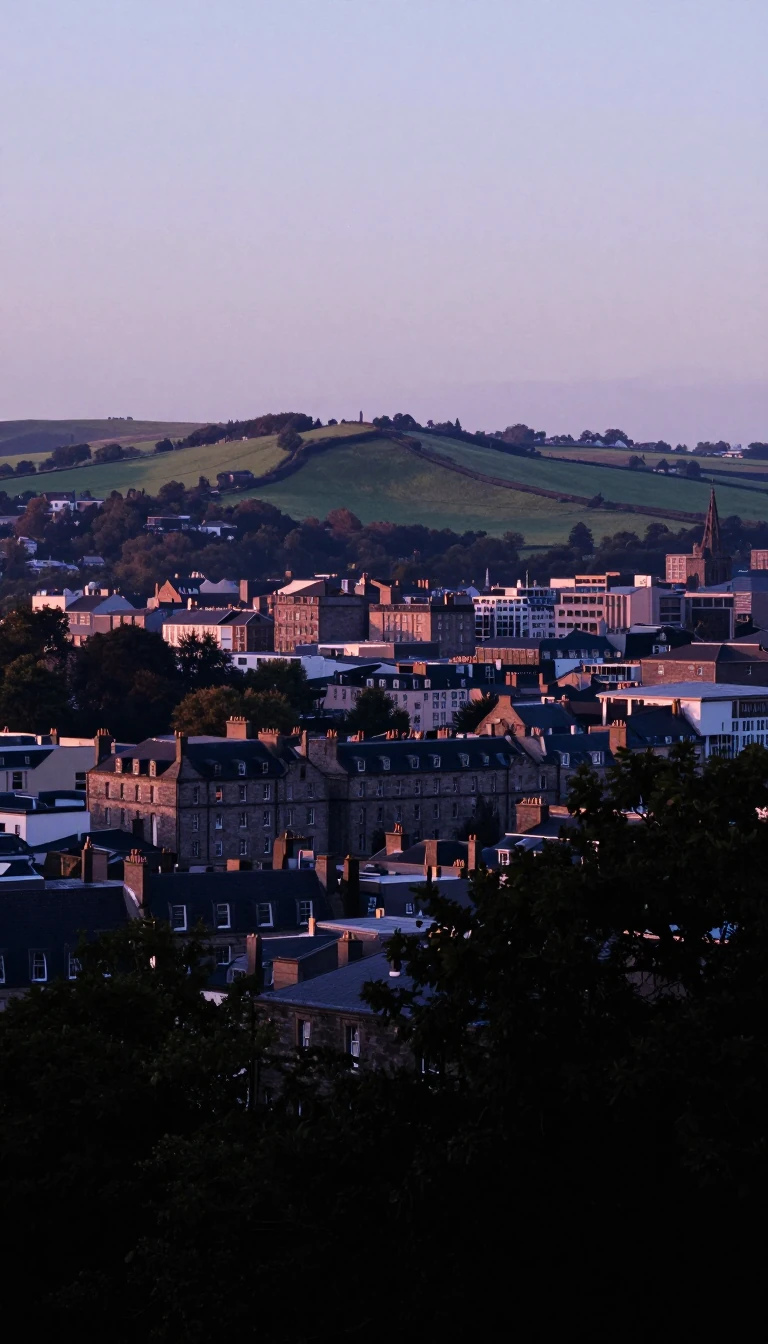
In short: The United Kingdom is a mosaic of ancient history and recent demographic shifts. While early populations like the Romans and Normans shaped its genetic foundations, modern immigration has introduced complex social frameworks. Today, the nation navigates the tension between multiculturalism, assimilation, and the emerging concept of superdiversity in its communities.
The ethnic composition of the British Isles is the result of millennia of movement, from prehistoric Bell Beaker influxes to the arrival of Anglo-Saxons, Norse, and Normans. By 1950, non-white residents in the UK numbered no more than 20,000. However, post-World War II labour shortages triggered significant migration from the West Indies and the Indian subcontinent, fundamentally altering the country's demographic profile. This transformation has been marked by both social integration and periods of tension, including riots in 1958, 1981, 1985, and 2011.
Sociologist Steven Vertovec describes this modern reality as 'superdiversity,' where the proliferation of smaller, distinct ethnic groups creates intricate social and economic patterns. This complexity challenges traditional census categories, which have only tracked ethnicity since 1991. Critics argue that official classifications often conflate race and ethnicity, leading to confusion. Furthermore, while the UK government recognizes groups like the Scottish, Welsh, Irish, and Cornish as national minorities, there is no formal national commitment to multiculturalism, with some observers noting a policy shift toward assimilation since 2001.
Political representation has also evolved, though it remains a point of scrutiny. In 1987, the first four ethnic minority MPs were elected, including Diane Abbott. By 2019, this number had risen to 65, representing 10% of Parliament. Despite these gains, ethnic minorities remain under-represented in local government, where Labour has historically held the highest share of minority councillors. As the UK navigates its post-Brexit identity, the debate continues over whether to prioritize a shared national identity or celebrate diverse cultural values.
Opens the Intellect+ feed with this card first. Swipe up for the next one.
Sources
- Summary by Intellect · source: Ethnic groups in the United Kingdom
To cite this card, link to https://intellectplus.co.uk/app/nature-ethnic-groups-in-the-united-kingdom.
How we source, check and correct cards: Editorial standards.
General information, not professional advice. Spotted an error? Flag the card or see corrections and complaints.
Intellect Plus is a visual educational discovery platform for exploring fascinating facts and ideas. Brain Food, Not Brain Rot. What is Intellect Plus?
Related
More in UK & Ireland: nature · More in Nature · Latest · A–Z · All topics
