Why Britain's wildlife is a shadow of its former, prehistoric self
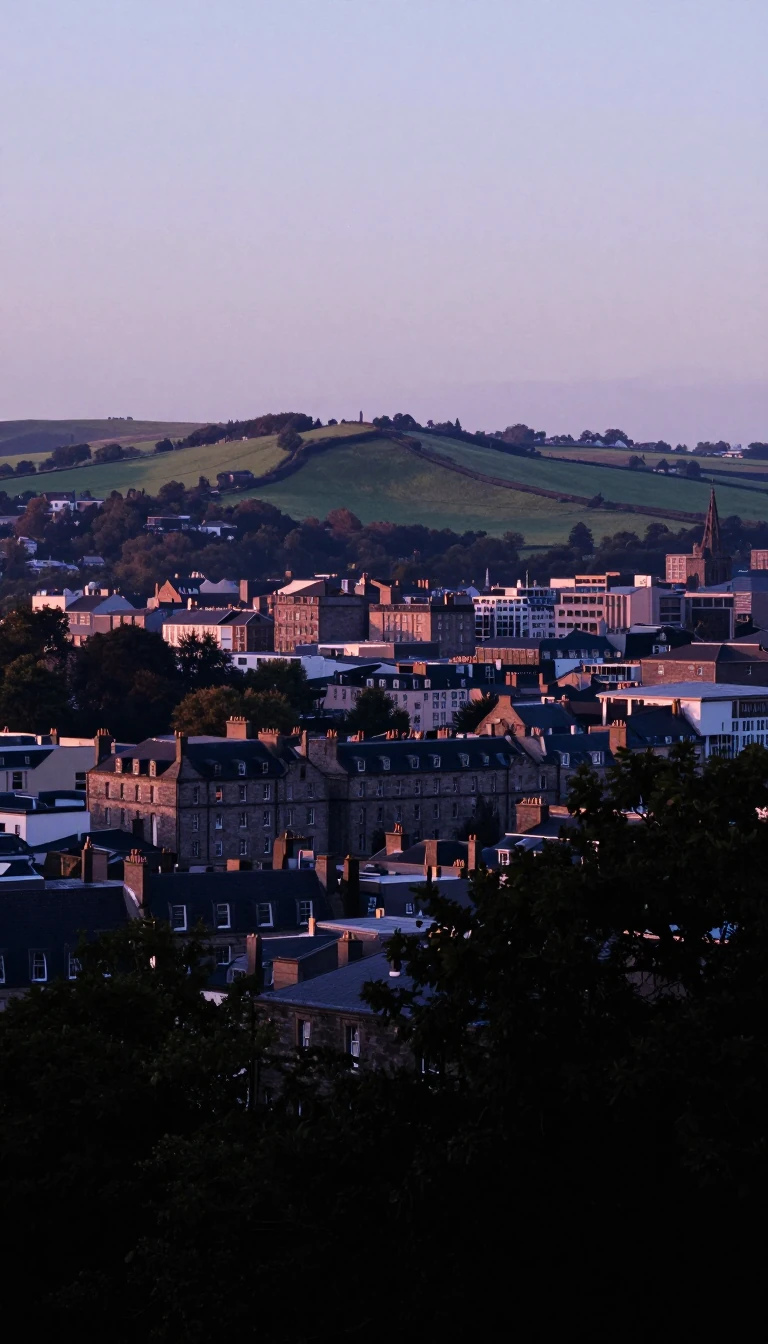
In short: Britain’s modern fauna is a fragmented remnant of a much richer past. Separated from the continent after the last ice age and heavily altered by human expansion, the island has lost iconic predators like wolves and bears, while industrialization continues to pressure indigenous populations. Yet, some species are remarkably resilient.
The British landscape has undergone dramatic biological shifts. During the Eemian Interglacial, roughly 130,000 to 115,000 years ago, the island hosted a diverse array of megafauna, including straight-tusked elephants, hippopotamuses, and lions. By the Holocene, these had vanished, replaced by a more modest collection of species. Even then, human activity accelerated the decline; the aurochs went extinct about 3,500 years ago, and the Eurasian lynx disappeared around 1,500 years ago. Today, the largest native mammal is the red deer, a far cry from the prehistoric giants that once roamed the region.
Human impact remains the primary driver of contemporary change. Industrialization and urban sprawl have severely fragmented habitats, with a 2006 DEFRA study estimating that extinction rates in the 20th century were roughly 100 times higher than the background rate. While larger mammals struggle, some species have mastered the urban environment. The red fox has become the most successful urban mammal after the brown rat, demonstrating a high degree of adaptability. Other animals, like the hedgehog and various bat species, persist in suburban gardens, though many others, such as the red squirrel, have been pushed to the fringes by introduced competitors.
The current fauna is a mix of native survivors and opportunistic arrivals. While the grey wolf and brown bear were hunted to extinction centuries ago, conservationists are now tentatively reintroducing species like the Eurasian beaver and wild boar. Meanwhile, the island’s temperate climate—ranging from subarctic conditions in the Scottish Highlands to sub-tropical pockets in the Isles of Scilly—continues to support a wide variety of life, from over 20,000 insect species to seasonal visitors like dolphins and orcas. Despite these pockets of biodiversity, the overall picture remains one of vulnerability, with recent assessments suggesting that more than a quarter of UK mammals now face the threat of extinction.
Opens the Intellect+ feed with this card first. Swipe up for the next one.
Sources
- Summary by Intellect · source: Fauna of Great Britain
To cite this card, link to https://intellectplus.co.uk/app/nature-fauna-of-great-britain.
How we source, check and correct cards: Editorial standards.
General information, not professional advice. Spotted an error? Flag the card or see corrections and complaints.
Intellect Plus is a visual educational discovery platform for exploring fascinating facts and ideas. Brain Food, Not Brain Rot. What is Intellect Plus?
Related
More in UK & Ireland: nature · More in Nature · Latest · A–Z · All topics
