Is the European wildcat just a domestic cat with a wilder lifestyle?
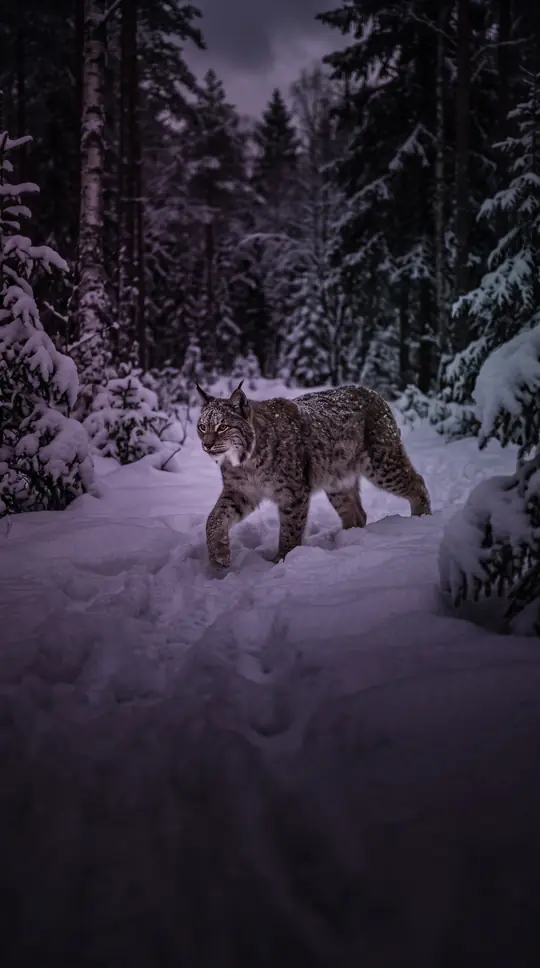
In short: The European wildcat looks like a sturdy, striped version of your house cat, but it is a distinct, solitary predator. While they share a common ancestor, this elusive forest dweller has evolved unique physical traits to thrive in the wild, raising questions about its genetic purity in the modern era.
The European wildcat (Felis silvestris silvestris) is a solitary, nocturnal carnivore native to forested regions stretching from Scotland across continental Europe to western Asia. Physically, it is larger and stouter than the domestic cat, possessing longer legs, a flatter head, and a distinctive bushy tail that ends in a rounded, black-ringed tip rather than a point. Its coat features a yellowish-gray striped tabby pattern, providing camouflage within its woodland habitat where it primarily hunts birds and small mammals.
Reproductive habits vary by location: while continental populations breed once annually in the spring, Scottish wildcats may breed twice or even three times per year. A typical litter consists of three to six kittens, born after a gestation period of 68 days. Despite these differences, the wildcat is capable of interbreeding with domestic cats. This biological flexibility has led some experts to express concern regarding the genetic integrity of the Scottish wildcat, fearing that hybridization with feral domestic cats threatens the purity of the original race.
The taxonomy of these animals has been a subject of historical debate, with various subspecies proposed over the last century. Today, the European wildcat is recognized as a distinct species that diverged from the lineage of other Felis cats millions of years ago. Whether in the dense forests of Italy or the rugged landscapes of Scotland, this animal remains a master of its environment, though it has been extirpated from areas like England and Wales. Understanding its history requires looking past its domestic resemblance to see a specialized predator that has occupied European ecosystems for millennia.
Opens the Intellect+ feed with this card first. Swipe up for the next one.
Sources
- Summary by Intellect · source: Wildcat | European, nocturnal, carnivore | Britannica
- Also: European wildcat
- Also: iNaturalist — European Wildcat (Felis silvestris) · CC BY-SA 4.0 (Wikipedia summary)
To cite this card, link to https://intellectplus.co.uk/app/nature-european-wildcat.
How we source, check and correct cards: Editorial standards.
General information, not professional advice. Spotted an error? Flag the card or see corrections and complaints.
Intellect Plus is a visual educational discovery platform for exploring fascinating facts and ideas. Brain Food, Not Brain Rot. What is Intellect Plus?
Related
More in Physical geography · More in Nature · Latest · A–Z · All topics
