The genus Felis includes your house cat and its wild cousins across three continents.
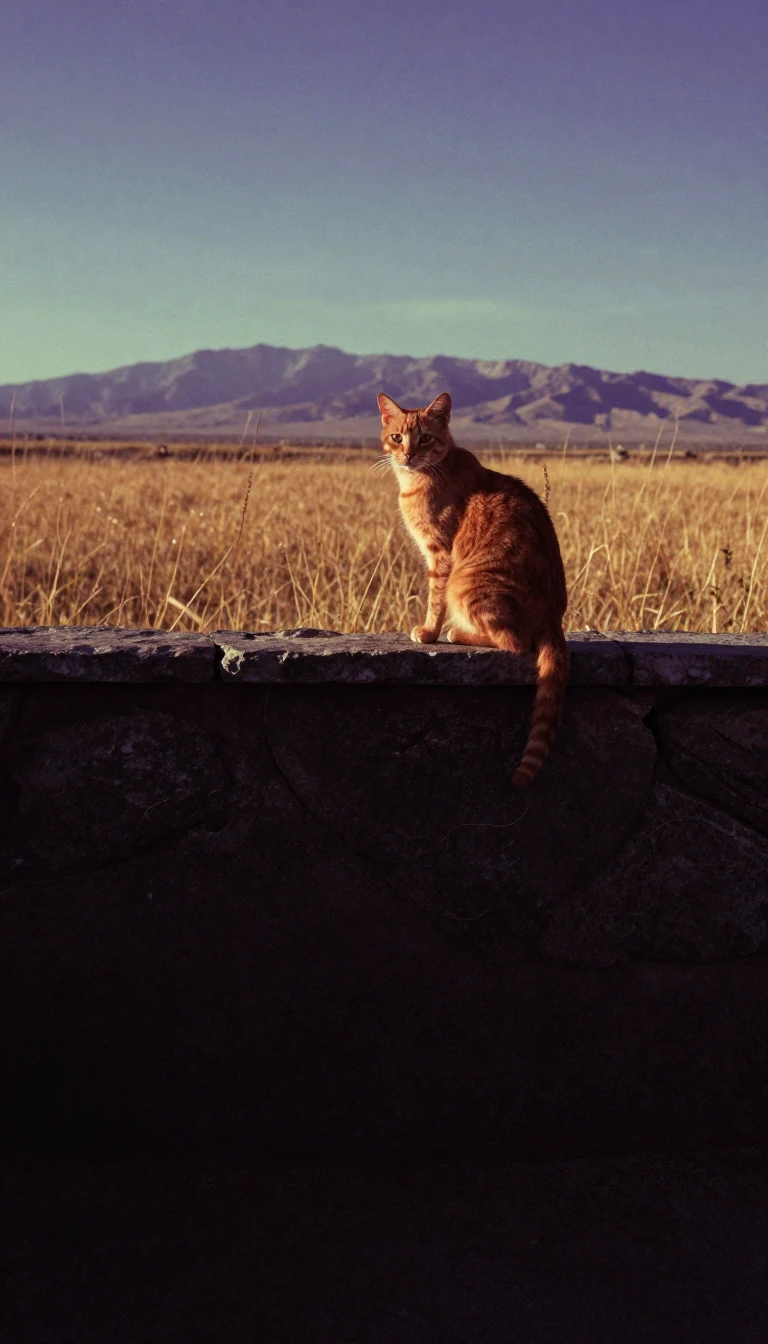
In short: From the familiar domestic companion to the elusive jungle cat, the genus Felis represents a distinct lineage of small-to-medium felines. These animals, characterized by their inability to roar, share a common ancestry that diverged millions of years ago, shaping the diverse group of predators we recognize today.
The Felis genus encompasses a specific group of felines found throughout Africa, Europe, and Asia, reaching as far as Indochina. Unlike the large cats of the subfamily Pantherinae, these creatures possess ossified hyoid bones, a structural feature that prevents them from roaring. Physically, they are defined by high, broad skulls, compact jaws, and narrow ears that lack the white spots often found on other feline species. Their eyes are equally distinct, featuring pupils that contract into vertical slits.
Taxonomy within this group has evolved significantly over time. Carl Linnaeus originally categorized every known cat species under the Felis label in 1758. It was not until 1917 that British zoologist Reginald Innes Pocock refined the classification, narrowing the genus to a more specific set of species. This scientific debate continues today; for instance, while Pocock placed the Pallas's cat in its own genus, Otocolobus, some modern researchers argue it belongs within Felis. Similarly, the Chinese mountain cat is sometimes classified as a subspecies of the wildcat.
Genetic analysis provides a window into their deep history. These cats diverged from a common Eurasian ancestor approximately 6.2 million years ago, with the Felis genus itself splitting off between 3.04 and 0.99 million years ago. This evolutionary path has occasionally resulted in complex hybridization. In Scotland, the Kellas cat emerges from the interbreeding of domestic cats and European wildcats. Meanwhile, the Corsican wildcat, introduced to the island before the 1st millennium, shares a close genetic bond with the Middle Eastern African wildcat, illustrating how these animals have moved and adapted alongside human history.
Opens the Intellect+ feed with this card first. Swipe up for the next one.
Sources
- Summary by Intellect · source: Felis
- Also: Felis | genus of mammals | Britannica
- Also: Wikidata — Felis · CC0
- Also: Wikidata — Felis · CC0
To cite this card, link to https://intellectplus.co.uk/app/places-felis.
How we source, check and correct cards: Editorial standards.
General information, not professional advice. Spotted an error? Flag the card or see corrections and complaints.
Intellect Plus is a visual educational discovery platform for exploring fascinating facts and ideas. Brain Food, Not Brain Rot. What is Intellect Plus?
Related
More in Countries and other regions · More in Countries & Cities · Latest · A–Z · All topics
