When regular food vanishes, humanity turns to the most desperate and unlikely survival sources.
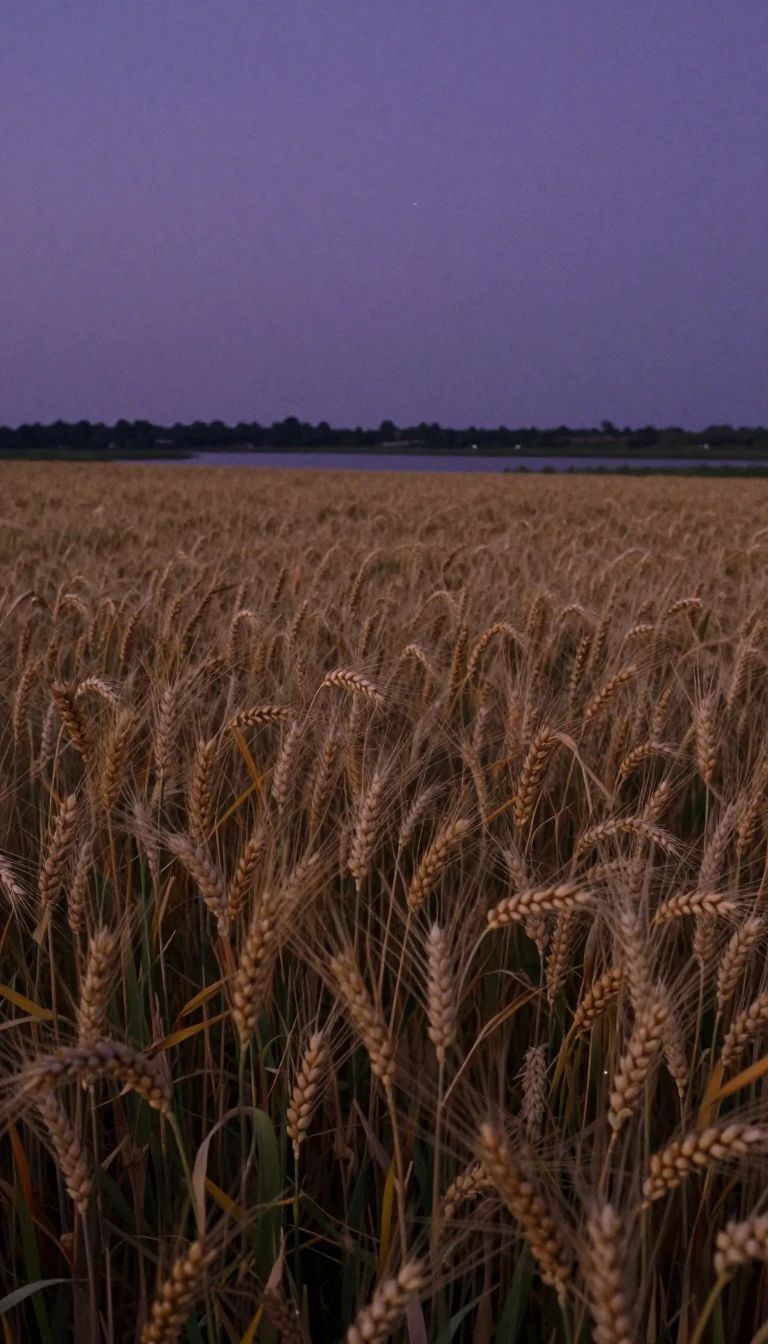
In short: Famine food is the sustenance of last resort, consumed when traditional crops fail or war destroys supply chains. From tree bark and insects to mud cookies, these items reveal how societies adapt under extreme duress, transforming what was once a symbol of starvation into a temporary, life-saving necessity.
Famine is defined as severe, prolonged hunger affecting a substantial population, often resulting in widespread malnutrition and death. While natural disasters like drought, blight, or insect infestations can trigger these crises, the most common human cause is warfare. Conflict destroys crops and disrupts distribution through blockades, as seen in the 1944–45 Dutch 'hunger winter,' where occupation policies and harsh weather claimed up to 30,000 lives.
Historically, the classification of famine food is often social rather than biological. Items like lobster have shifted from poverty food to luxury goods depending on the era. During the Great Famine in Ireland (1845–1849), coastal peasants consumed dulse and Irish moss, while others inland resorted to eating nettles, wild mustard, and even animals like dogs or cats. In the Netherlands during 1944–45, tulip bulbs and sugar beets became essential substitutes for grain and vegetables.
The survival strategies used during these periods are often ingenious, if grim. In Scandinavia, the phloem of deciduous trees was ground into flour to extend limited grain supplies, a practice linked to Sami traditions. Similarly, during the 1990s in Cuba, grapefruit pith was repurposed as a meat substitute. In some regions, these emergency foods carry a lasting stigma, as seen with mushrooms in parts of Iceland and Sweden, which were long associated with wartime poverty and animal feed rather than human consumption.
Governments have long struggled to manage these catastrophes. The ancient Indian treatise Artha-shastra, written around the 3rd century BCE, classified famine as an 'act of God' but mandated that kings distribute seeds and food from royal stores. Centuries later, the British government’s 1883 Indian Famine Code attempted to formalize relief, yet famines persisted because the underlying causes—often political rather than simple food shortages—were frequently misunderstood or ignored by authorities until it was too late.
Opens the Intellect+ feed with this card first. Swipe up for the next one.
Sources
- Summary by Intellect · source: Famine | Definition, Causes, & Facts | Britannica
- Also: Famine food
To cite this card, link to https://intellectplus.co.uk/app/nature-famine-food.
How we source, check and correct cards: Editorial standards.
General information, not professional advice. Spotted an error? Flag the card or see corrections and complaints.
Intellect Plus is a visual educational discovery platform for exploring fascinating facts and ideas. Brain Food, Not Brain Rot. What is Intellect Plus?
Related
More in Organisms · More in Nature · Latest · A–Z · All topics
