Why Australia’s unique wildlife is a masterclass in evolutionary isolation and survival
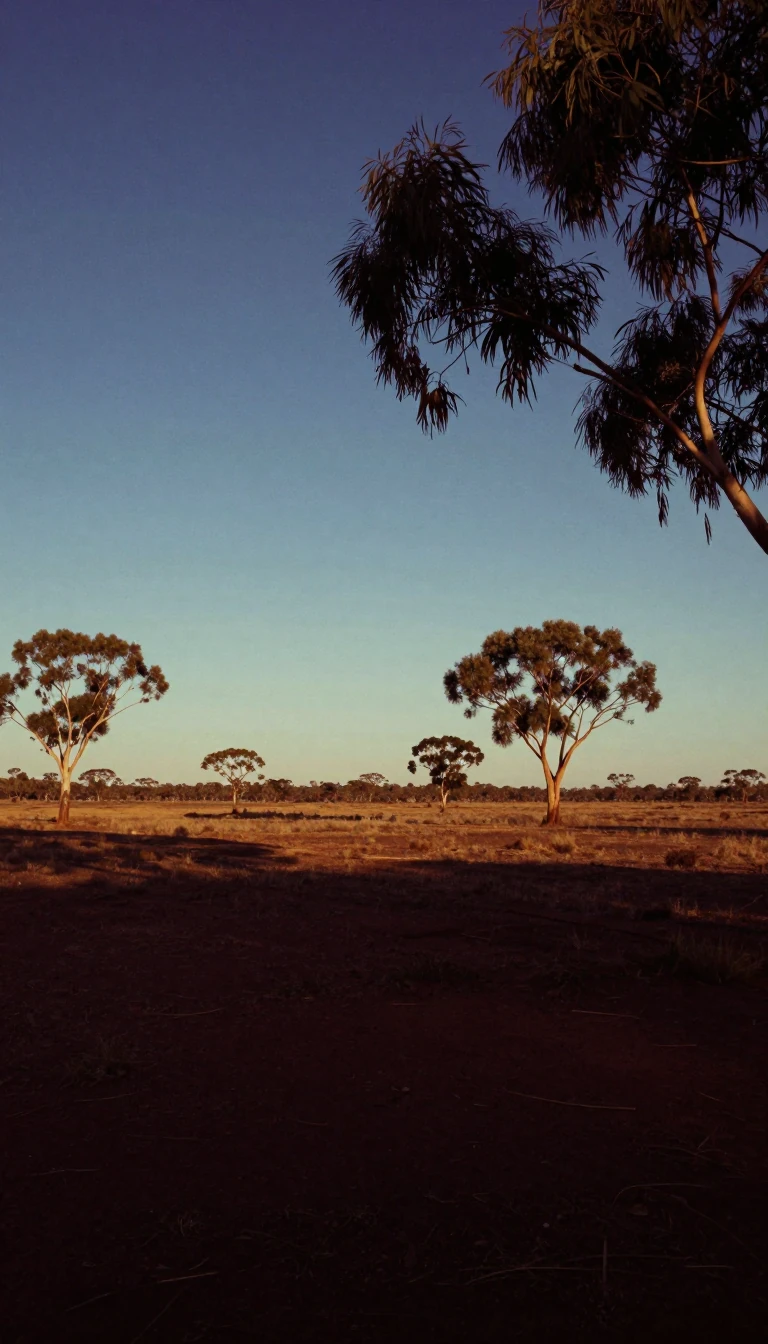
In short: Australia’s fauna is a living laboratory of isolation. From egg-laying mammals to termites that navigate by Earth’s magnetic field, the continent’s long separation from other landmasses created a distinct biological world. Yet, this fragile ecosystem faces ongoing threats from human activity, invasive species, and a history of ancient extinctions.
Australia’s biological identity was forged by its long-term isolation after separating from the supercontinent Gondwana 50 million years ago. This geographic detachment allowed unique lineages, particularly marsupials, to flourish and occupy ecological niches that placental mammals filled elsewhere. Through convergent evolution, these marsupials developed physical traits remarkably similar to their distant placental counterparts, such as the thylacine’s resemblance to canids or the gliding capabilities of possums mirroring flying squirrels.
The continent’s climate history further sculpted its inhabitants. As Australia drifted, it became increasingly arid, forcing species to adapt in ingenious ways. The water-holding frog, for instance, survives dry spells by sealing itself in a cocoon-like sac within the soil, while the budgerigar evolved a nomadic lifestyle to track irregular rainfall. Meanwhile, in the tropical north, termites like Amitermes meridionalis demonstrate sophisticated environmental awareness by orienting their mounds north-south using the Earth’s magnetic field.
However, the arrival of humans brought profound changes. The disappearance of the Australian megafauna—including the rhinoceros-sized Diprotodon and giant flightless Genyornis—between 27,000 and 12,000 years ago remains a subject of intense debate. Whether caused by Aboriginal hunting, landscape-altering fire practices, or the harsh climatic shifts of the last glacial maximum, the loss marked a turning point. Since European settlement, the impact has accelerated, with introduced species like foxes, feral cats, and rabbits devastating native populations.
Today, conservation efforts are critical as many species struggle against habitat loss and competition. While some animals, like the Australian magpie, have adapted to human-modified landscapes, others remain highly vulnerable. The ongoing struggle to protect this unique heritage highlights the tension between Australia’s ancient, isolated evolutionary path and the rapid, globalized pressures of the modern era.
Opens the Intellect+ feed with this card first. Swipe up for the next one.
Sources
- Summary by Intellect · source: Australia - Wildlife, Ecosystems, Diversity | Britannica
- Also: Fauna of Australia
To cite this card, link to https://intellectplus.co.uk/app/nature-fauna-of-australia.
How we source, check and correct cards: Editorial standards.
General information, not professional advice. Spotted an error? Flag the card or see corrections and complaints.
Intellect Plus is a visual educational discovery platform for exploring fascinating facts and ideas. Brain Food, Not Brain Rot. What is Intellect Plus?
Related
More in Organisms · More in Nature · Latest · A–Z · All topics
