How the U.S. government coordinates its response to catastrophic natural and human-generated disasters
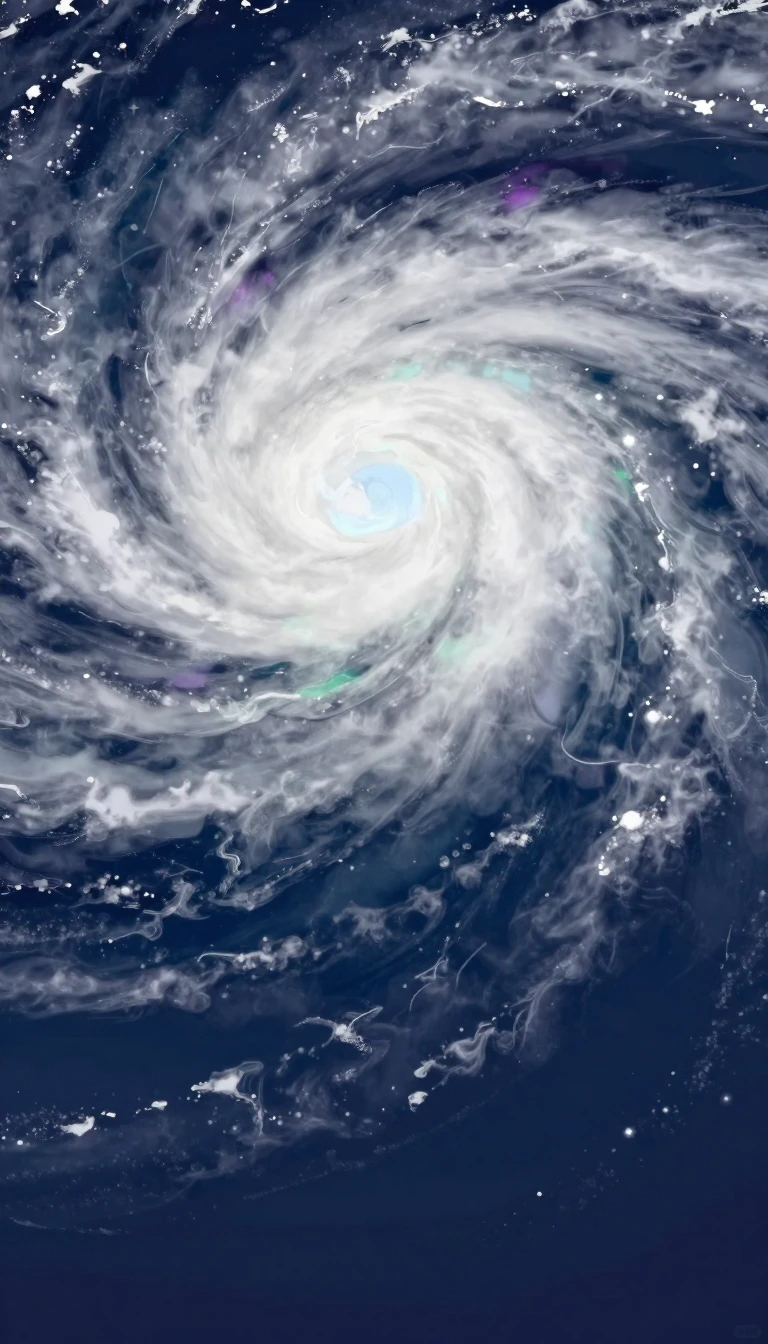
In short: The Federal Emergency Management Agency acts as the central coordinator for U.S. disaster response, managing everything from hurricanes to infrastructure failures. While its mission is to support citizens before, during, and after crises, the agency has historically struggled with the complexity of mobilizing resources across a fragmented federal landscape.
The modern FEMA was established under President Jimmy Carter through a 1978 reorganization plan, officially launching in 1979. Before its creation, disaster relief was a chaotic affair; as many as 100 separate government agencies often competed for jurisdiction during emergencies. This consolidation aimed to streamline a system that had evolved through ad hoc legislative measures, starting with an 1803 act providing tariff relief to Portsmouth merchants.
FEMA’s operational framework typically requires a state governor to declare an emergency and formally request federal intervention. Once activated, the agency coordinates a massive team of over 20,000 emergency managers. Its responsibilities are broad, ranging from funding infrastructure repairs and providing low-interest recovery loans to training personnel and supporting non-federal entities in managing migrant services. The agency operates under the Department of Homeland Security, though it has roots in various predecessors like the Reconstruction Finance Corporation and the Federal Disaster Assistance Administration.
The scale of modern disaster management is immense, with costs for individual events frequently reaching tens of billions of dollars. Hurricane Katrina in 2005, for example, incurred costs exceeding $186 billion. As global warming increases the frequency of climate-driven disasters—such as intense hurricanes and flooding—FEMA faces mounting pressure to remain nimble. While the agency is tasked with mitigating all hazards, it has faced significant criticism for its performance during major catastrophes, highlighting the ongoing challenge of balancing federal oversight with the unpredictable nature of Earth-driven and climate-related disasters.
Opens the Intellect+ feed with this card first. Swipe up for the next one.
Sources
- Summary by Intellect · source: Federal Emergency Management Agency| FEMA, Hurricane Katrina, History, & Controversies | Britannica
- Also: Federal Emergency Management Agency
- Also: Federal Emergency Management Agency (FEMA) | Homeland Security
To cite this card, link to https://intellectplus.co.uk/app/nature-federal-emergency-management-agency.
How we source, check and correct cards: Editorial standards.
General information, not professional advice. Spotted an error? Flag the card or see corrections and complaints.
Intellect Plus is a visual educational discovery platform for exploring fascinating facts and ideas. Brain Food, Not Brain Rot. What is Intellect Plus?
Related
More in Earth science · More in Nature · Latest · A–Z · All topics
