 Intellect Plus
Earth science
386 cards. Each one is a 40-second story with a five-minute read behind it.
 Why our planet behaves in ways that defy common senseFrom snow that feels hot to hurricanes with unprecedented power, the Earth often operates in ways that seem impossible. This video explores the strange, weird, and surprising mech…
 The final countdown: How humanity prepares for a cosmic collisionWhen a massive asteroid is detected on a direct path to Earth, the world enters a high-stakes race against time. This documentary explores our global defense systems and the despe…
 Peeling back the layers to witness Earth's violent originsTravel back in time to see the explosive formation of our planet. This video uses modern technology to reveal what lies beneath the surface, transforming geological imagination in…
 From fiery volcanoes to toxic lakes: the hidden power of EarthExplore the dramatic geological forces that shape our planet. This video showcases the diverse and often extreme environments that define our world's unique power.
 Nature defies logic through some of Earth's most bizarre phenomenaFrom scorching snow to massive hurricanes, our planet frequently behaves in ways that challenge our expectations. This video explores the strange mechanics behind these environmen…
 From liquid oceans in space to the ancient lake beds of MarsExplore the vast scale of our solar system in this journey through space. The video highlights diverse celestial environments, from distant oceans to the rugged landscapes of neig…
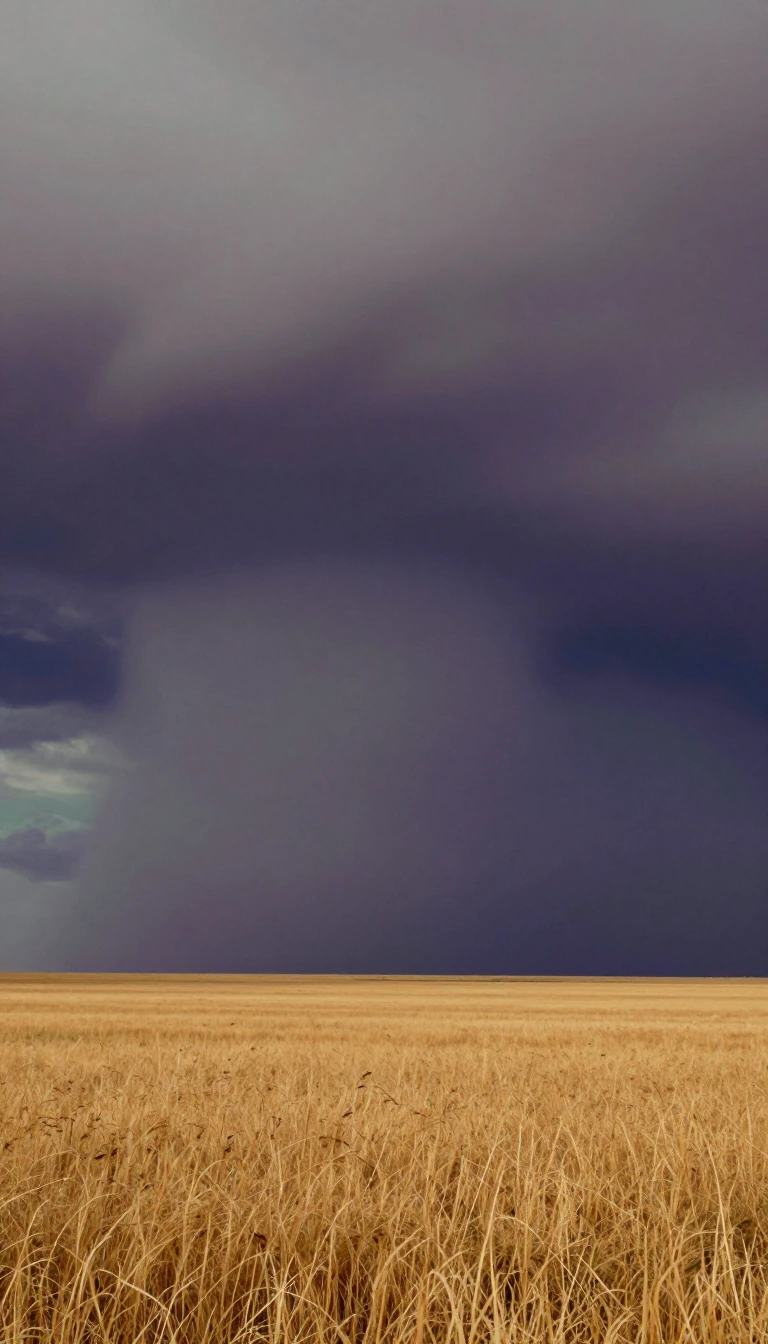 A 321 mph wind speed that forced a new era of warningIn 1999, a tornado of such extreme violence struck the Oklahoma City suburbs that it shattered records and forced the National Weather Service to invent a new way of communicating…
 The world's longest owl is actually a master of deceptionThe Great Gray Owl is a master of visual trickery. While it holds the title for the world's longest owl, its massive appearance is largely a result of fluffy feathers and a large …
 The 'battering ram' of sports that built a media empireHow does a struggling satellite broadcaster become Europe's largest media company? It started with a desperate merger and a high-stakes gamble on live football. By using sport as …
 How the world's hydrogen is actually made from natural gasMost hydrogen used today isn't extracted from water via electrolysis. Instead, it is manufactured in large central plants using steam-methane reforming. This mature industrial pro…
 The hidden carbon cost of our world's most versatile fuelHydrogen is often hailed as a clean energy miracle, but the reality is more complex. While it can be produced from water using renewable power, nearly all of our current supply co…
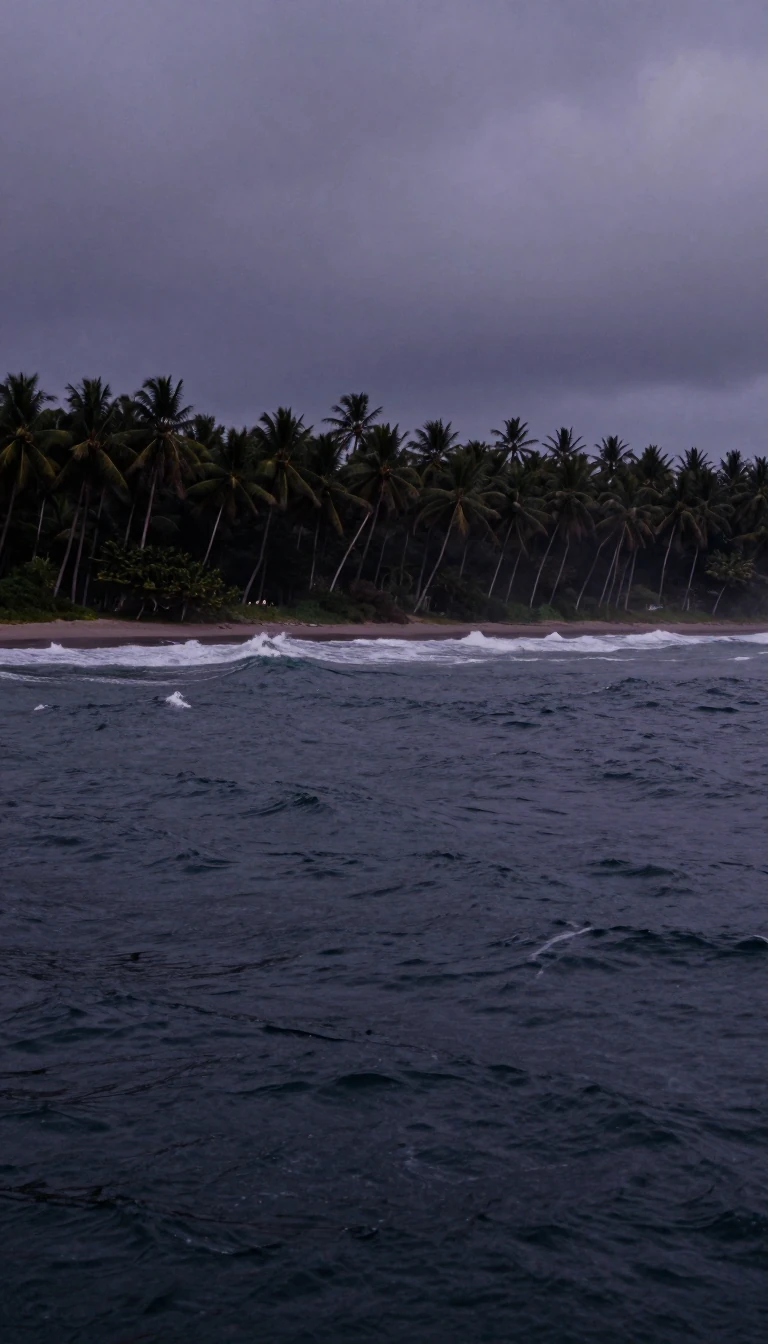 The 1964 Alaska earthquake was a turning point that reshaped our understanding of EarthOn March 27, 1964, a magnitude 9.2 earthquake struck south-central Alaska, lasting over four minutes. As the second-largest earthquake ever recorded, it did more than cause widesp…
 How a Catastrophic Volcanic Collapse Became a Laboratory for Life's Remarkable ResilienceWhen Mount St. Helens erupted in 1980, it triggered the largest landslide in recorded history, obliterating the landscape. Yet, this devastation provided scientists with an unprec…
- The 2005 Kashmir earthquake produced a rare surface rupture that defied Himalayan seismic history.On October 8, 2005, a magnitude 7.6 earthquake struck the Himalayan region, killing at least 79,000 people. While the collision of tectonic plates is common here, this specific ev…
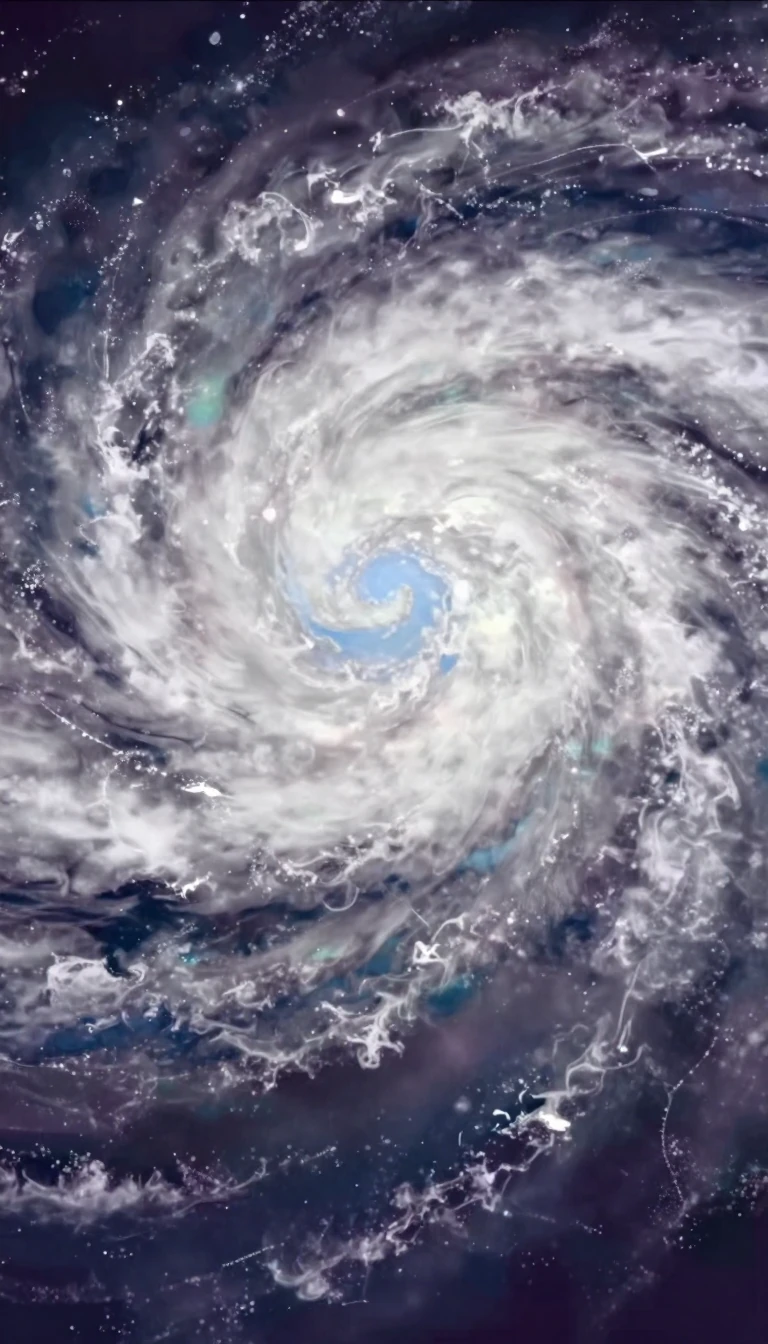 The 2026–2027 El Niño is an unprecedented climate event of historic, record-breaking severityScientists are witnessing an El Niño event so intense it is being described as supersized. With sea surface temperatures in the tropical Pacific reaching record highs, this phenom…
 How a secret drill bit test in Texas launched a global energy giantIn 1908, Howard R. Hughes Sr. and Walter Benona Sharp conducted clandestine tests on a Texas rig, hiding their invention in a locked wooden box. Their dual cone rotary drill bit r…
 Beyond the swamp: how bayous shape the landscape and sustain complex ecosystemsA bayou is more than a stagnant marsh. These slow-moving, low-gradient waterways are vital arteries of the American South, formed by shifting river channels and sediment deposits.…
 BBC Four: A cultural curator navigating the shift from original programming to digital archiveLaunched in 2002 as a destination for high-quality arts, science, and international drama, BBC Four has evolved from a niche broadcaster into a complex digital-first service. Desp…
 Why your medicine might not be doing exactly what the label promisesBioavailability measures how much of a substance actually reaches your systemic circulation to do its work. While intravenous delivery guarantees 100% absorption, oral medications…
- Ancient Amazonian soil secrets are now a modern tool for carbon sequestrationBiochar is a carbon-rich residue created by heating organic matter in low-oxygen environments. Inspired by the fertile, man-made Terra Preta soils of the Amazon, this material is …
- Bituminous coal is the world's most abundant energy source, but it hides a dangerous secret.Often called black coal, this dense, friable material powers our steel mills and electrical grids. Yet, its formation process creates a volatile byproduct known as firedamp. This …
 Black lung disease is an irreversible occupational hazard caused by inhaling coal mine dustBlack lung disease, or coal workers' pneumoconiosis, is a serious condition caused by the long-term inhalation of coal dust. While it is not contagious or genetic, it triggers a c…
- Why this Indiana city had to pump its own leaking water back uphillBloomington, Indiana, sits on a geological puzzle of limestone ravines and caves that made securing a reliable water supply a century-long struggle. Because the porous ground swal…
- Was the Boring Billion actually the most creative period in Earth's history?For a billion years, Earth was thought to be geologically and biologically stagnant. New research suggests this so-called stasis was actually a crucible of innovation. By forcing …
 Why Brazil calls its vast maritime territory the Blue Amazon to secure national funding.The Brazilian Navy manages more than just warships; it acts as a maritime authority, coast guard, and scientific researcher. By rebranding its jurisdictional waters as the Blue Am…
 Deep beneath the ocean, hidden lakes of hypersaline brine host life without the sun.Brine pools are dense, underwater lakes trapped in seafloor depressions. With salinity up to eight times that of the surrounding ocean, these toxic, anoxic basins act as time caps…
- Can we bury our way out of the climate crisis using carbon capture?Carbon capture and storage (CCS) promises to trap emissions before they reach our atmosphere, locking them deep underground. While the technology offers a potential lifeline for h…
 How a Washington think tank became a global powerhouse for foreign policy strategyFounded in 1962 to navigate Cold War tensions, the Center for Strategic and International Studies has evolved into a premier bipartisan institution. By bridging the gap between hi…
 How a bored copywriter built a real-life agency to hunt for sunken treasureClive Cussler began writing thrillers in 1965 simply because he had nothing to do while his wife worked night shifts. He eventually created Dirk Pitt, a legendary adventurer, and …
 Why does water appear blue, and what makes it turn green, red, or black?While small amounts of water seem colorless, pure water is intrinsically sky blue. This color arises from the selective absorption of red light wavelengths. However, the water we …
 Before Rodinia, Earth’s landmasses were welded into a massive, ancient supercontinent called Columbia.Long before the familiar continents drifted into their current positions, Earth hosted a vast supercontinent known as Columbia. First proposed in 2002, this ancient landmass unite…
 Why high-voltage power lines glow with a faint, invisible, and energy-wasting blue lightA corona discharge is an electrical leak that turns air into glowing plasma. It happens when high voltage ionizes surrounding gas, creating a chain reaction of electron avalanches…
 Why did revolutionary France try to replace the 24-hour day with decimal time?During the French Revolution, officials attempted to overhaul time itself by dividing the day into ten decimal hours. This radical experiment aimed to simplify calculations by ali…
 Why reaching the ocean floor requires more than just holding your breathDeep diving is not merely about descending; it is a complex battle against physics and physiology. Beyond 30 metres, nitrogen narcosis clouds the mind, while extreme pressures dem…
- A downburst is a violent, localized column of sinking air that mimics tornado damageOften mistaken for tornadoes, downbursts are powerful, straight-line wind systems that erupt from thunderstorms. These intense downdrafts strike the surface and fan out in all dir…
 Are the earliest known primate fossils actually just misunderstood gliding mammals?The story of primate evolution is a shifting puzzle. While we once traced our lineage back 66 million years to the genus Purgatorius, recent discoveries suggest these ancient crea…
- Is mass arrest the most effective way to force government action on climate change?Extinction Rebellion believes that traditional activism like marching and emailing is obsolete. Instead, the movement uses nonviolent civil disobedience and mass arrest to force p…
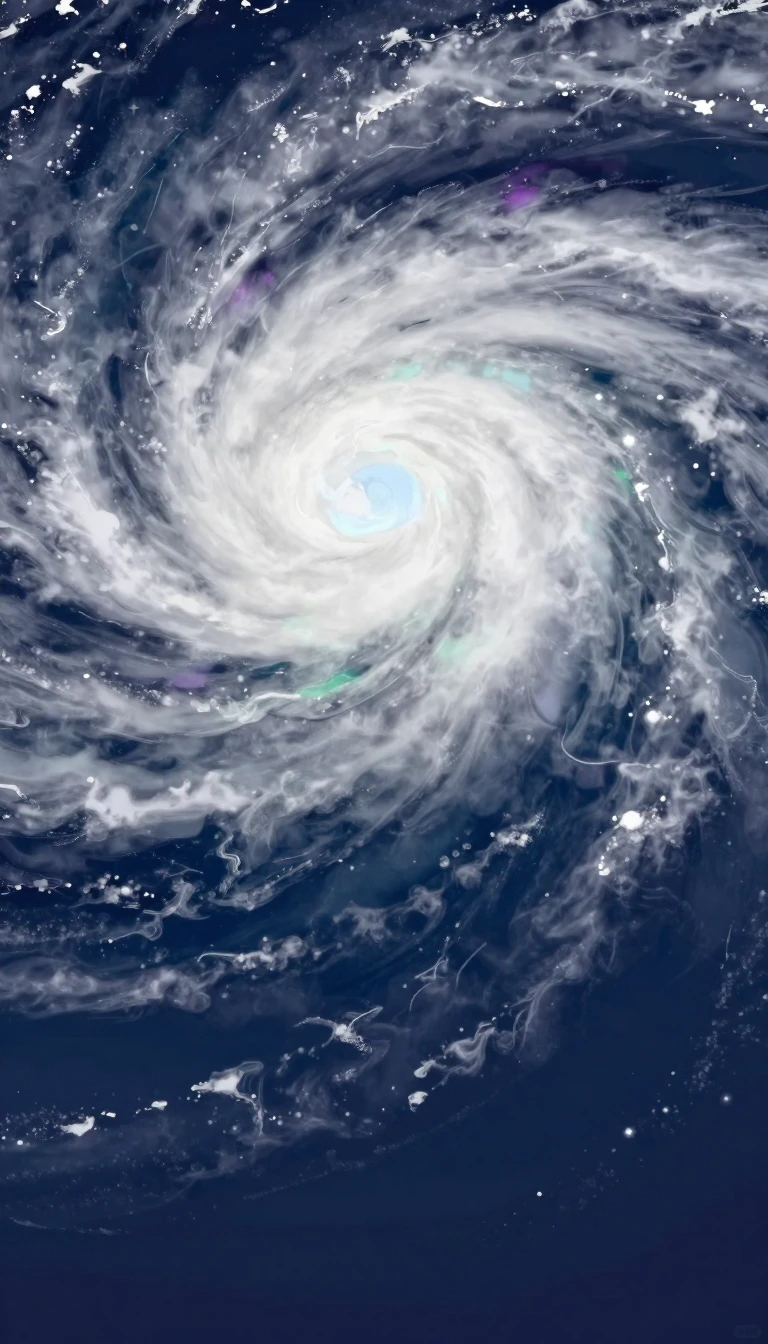 How the U.S. government coordinates its response to catastrophic natural and human-generated disastersThe Federal Emergency Management Agency acts as the central coordinator for U.S. disaster response, managing everything from hurricanes to infrastructure failures. While its missi…
 Floating islands are not just myths; they are drifting ecosystems that reshape our waters.From the ancient reed villages of Lake Titicaca to modern, engineered rafts cleaning urban rivers, floating islands are a strange, dual reality. Whether formed by volcanic pumice,…
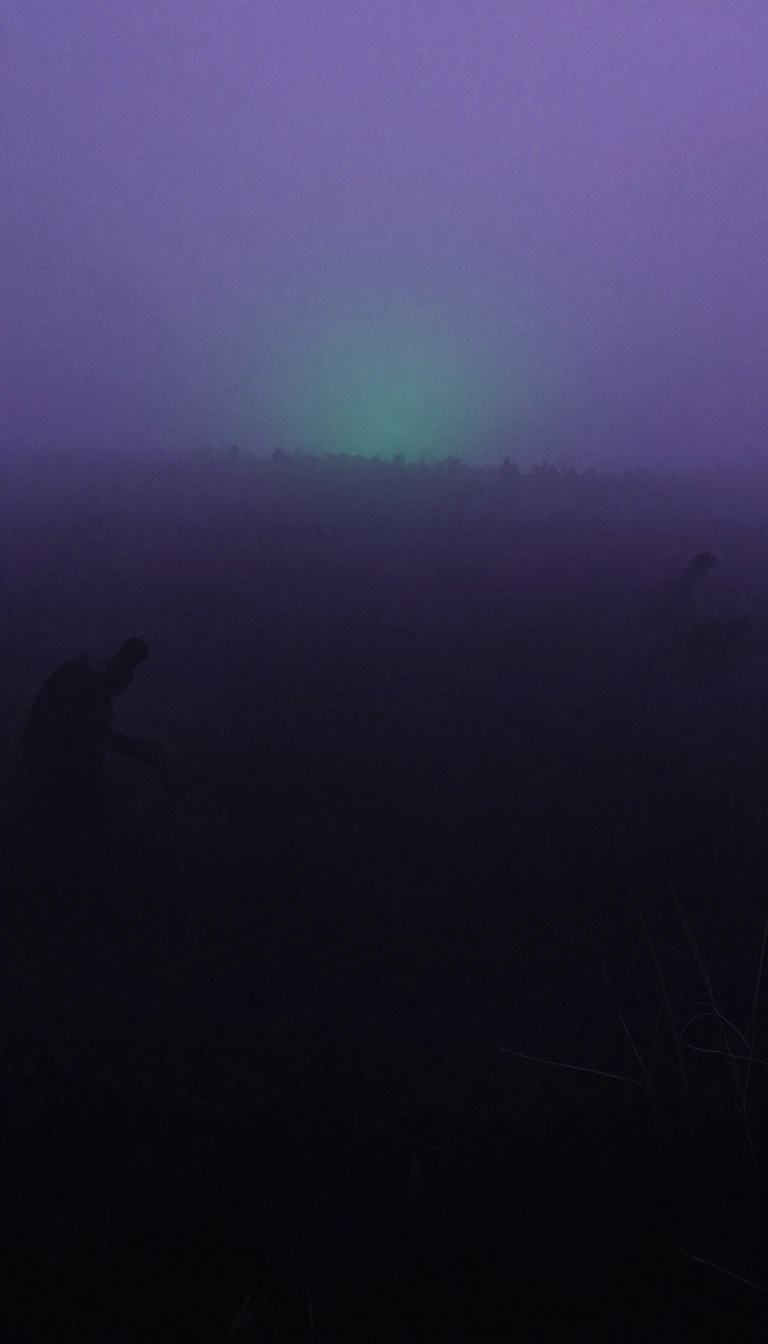 Why the fog of war is more than just a lack of clarityThe fog of war is the persistent uncertainty commanders and soldiers face regarding their own capabilities, enemy intentions, and the battlefield itself. While modern technology a…
 From Ancient Snorkels to Modern Sabotage: The Secret History of the FrogmanThe term frogman conjures images of elite military divers, but its origins are surprisingly eclectic. While the name emerged from a 19th-century stage performer in a rubber suit, …
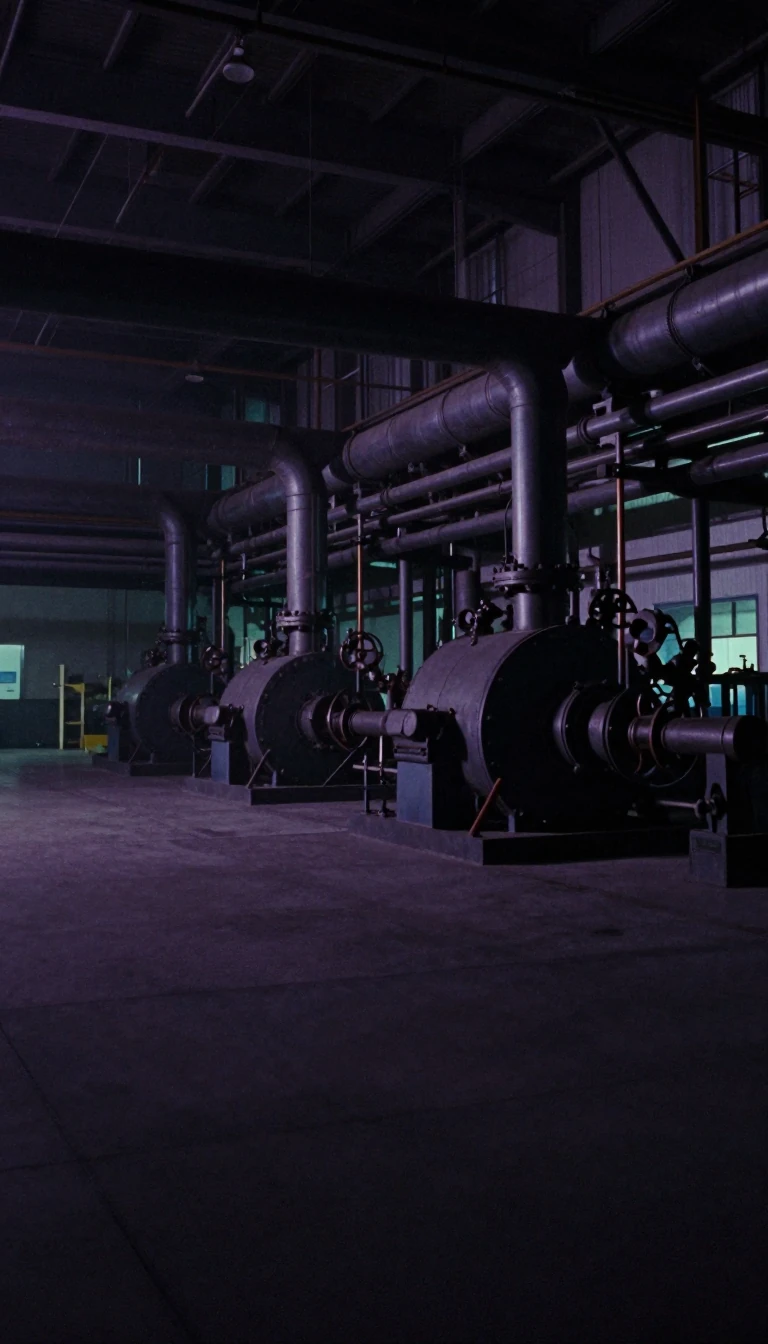 Japan launched thousands of intercontinental balloon bombs at the United States during World War II.Between 1944 and 1945, the Imperial Japanese Army released roughly 9,300 hydrogen-filled paper balloons across the Pacific. Carried by high-altitude jet streams, these unmanned we…
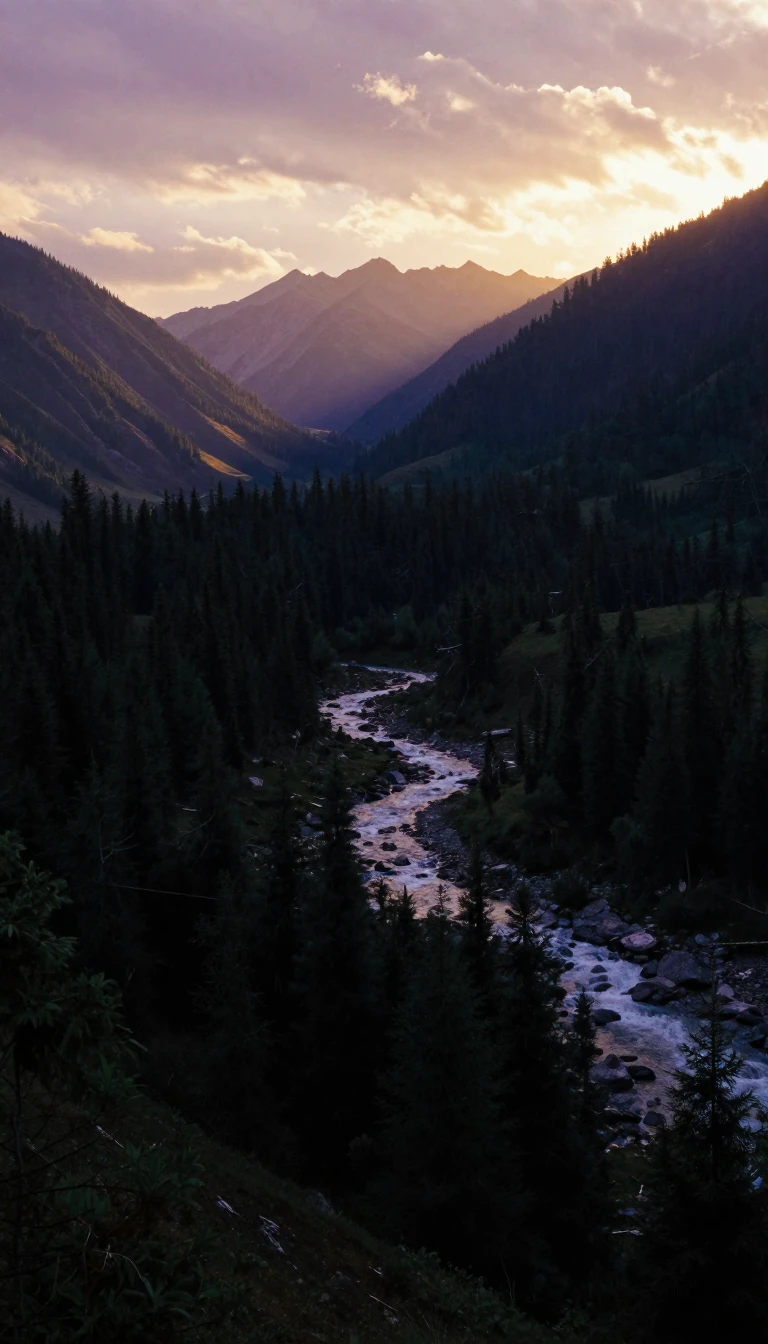 The massive Glen Canyon Dam was built to tame a river, not just store water.Rising 710 feet above the Colorado River, the Glen Canyon Dam is a monumental feat of mid-century engineering. While it provides vital hydroelectric power and drought security for…
- Why the Earth's surface is a complex map of wind, ice, and fireLandforms are not just static scenery; they are the physical records of our planet's history. By examining attributes like slope, elevation, and soil, geomorphologists categorize …
 How NASA’s first space flight complex became the engine room for exploring the universe.Established in 1959, the Goddard Space Flight Center serves as the premier hub for NASA’s scientific ambitions. Home to the nation’s largest collective of scientists and engineers…
 How a catastrophic 1888 blizzard forced American cities to move undergroundIn March 1888, a paralyzing storm buried the American Northeast, killing hundreds and stranding thousands on elevated trains. The total collapse of above-ground telegraph, gas, an…
- The great horned owl has no horns, but it does have a deadly grip.Despite its name, the great horned owl possesses no horns. Those iconic tufts, known as plumicorns, remain a biological mystery. Beyond their appearance, these nocturnal predators…
 Why the sun briefly turns emerald green just before it vanishes from viewThe green flash is a fleeting optical event occurring at sunrise or sunset. While a subtle green rim exists at every sunset, it is usually invisible to the naked eye. When atmosph…
- A wall of dust can swallow a city, but what is a haboob?When a haboob strikes, the sky turns pitch black and visibility drops to near zero. These colossal walls of dust, triggered by collapsing thunderstorms, are common in arid regions…
 A heat sink is not a magical sponge that sends heat to another dimension.Contrary to popular belief, heat sinks do not absorb heat into a void. They are passive exchangers that move thermal energy from a hot device to a cooler fluid, like air or water.…
 Why did humanity spend centuries convinced the Earth was a hollow shell?Long before modern geology, the idea that our planet was a hollow, inhabited sphere captivated thinkers and myth-makers alike. From ancient legends of subterranean underworlds to …
 Why are the world's great deserts and calmest seas named after horses?Located roughly 30 degrees north and south of the equator, the horse latitudes are high-pressure zones defined by sunny skies and stagnant winds. While their influence on global c…
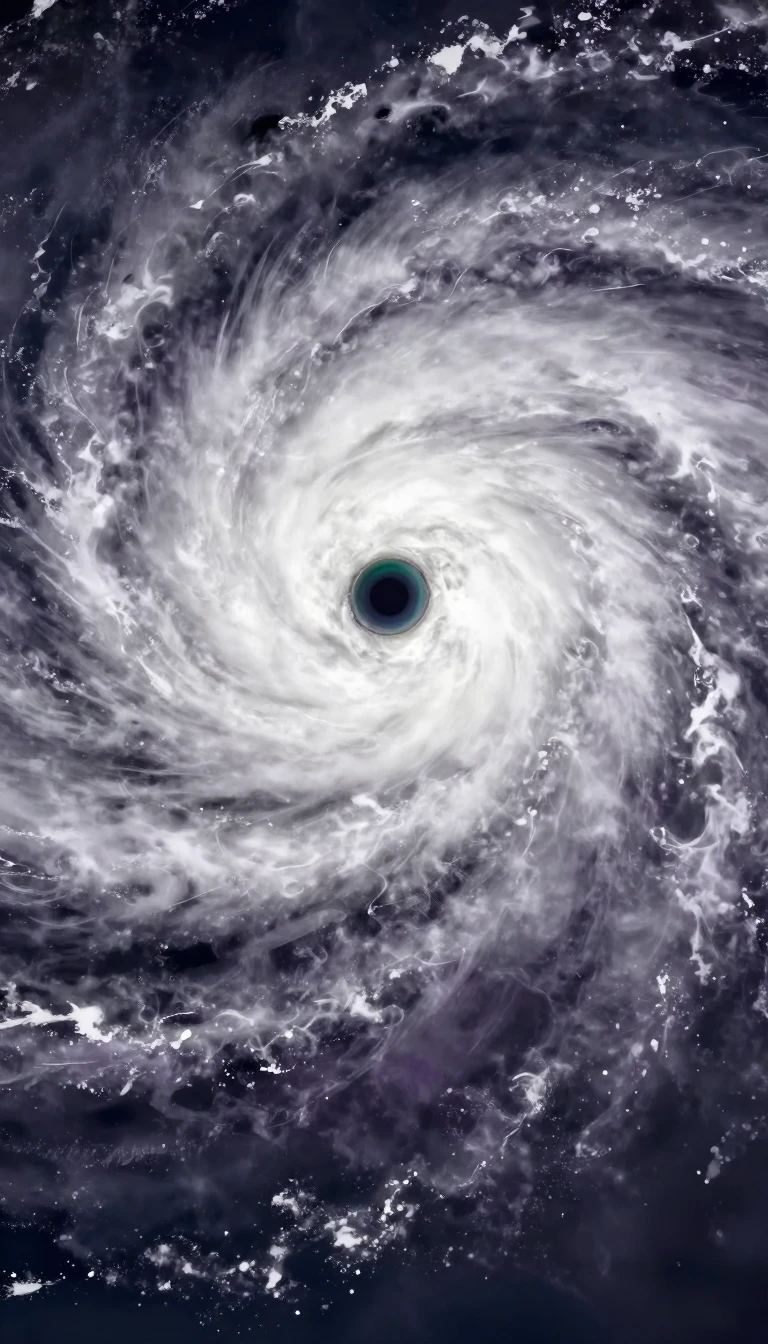 How a tropical hurricane transformed from a Caribbean disaster into a Canadian tragedyHurricane Hazel remains a singular event in meteorological history. After devastating Haiti and the Carolinas, the storm defied expectations by retaining hurricane-force power whi…
- Hurricane Ioke: The Most Intense and Enduring Storm in Central Pacific HistoryIn 2006, Hurricane Ioke shattered records as the most intense storm ever recorded in the Central Pacific. Beyond its raw power, it displayed an unprecedented ability to sustain ex…
 India's autonomous satellite navigation system faces critical challenges in maintaining its orbital constellationNavIC was designed to provide India with independent positioning, velocity, and timing services, shielding the nation from potential foreign service denials. However, a series of …
 The Tragic Death of Kirsty MacColl and the Fight for Justice in MexicoBritish singer-songwriter Kirsty MacColl died in 2000 while diving in a restricted area off the coast of Mexico. She was struck by a speeding powerboat while saving her son. The s…
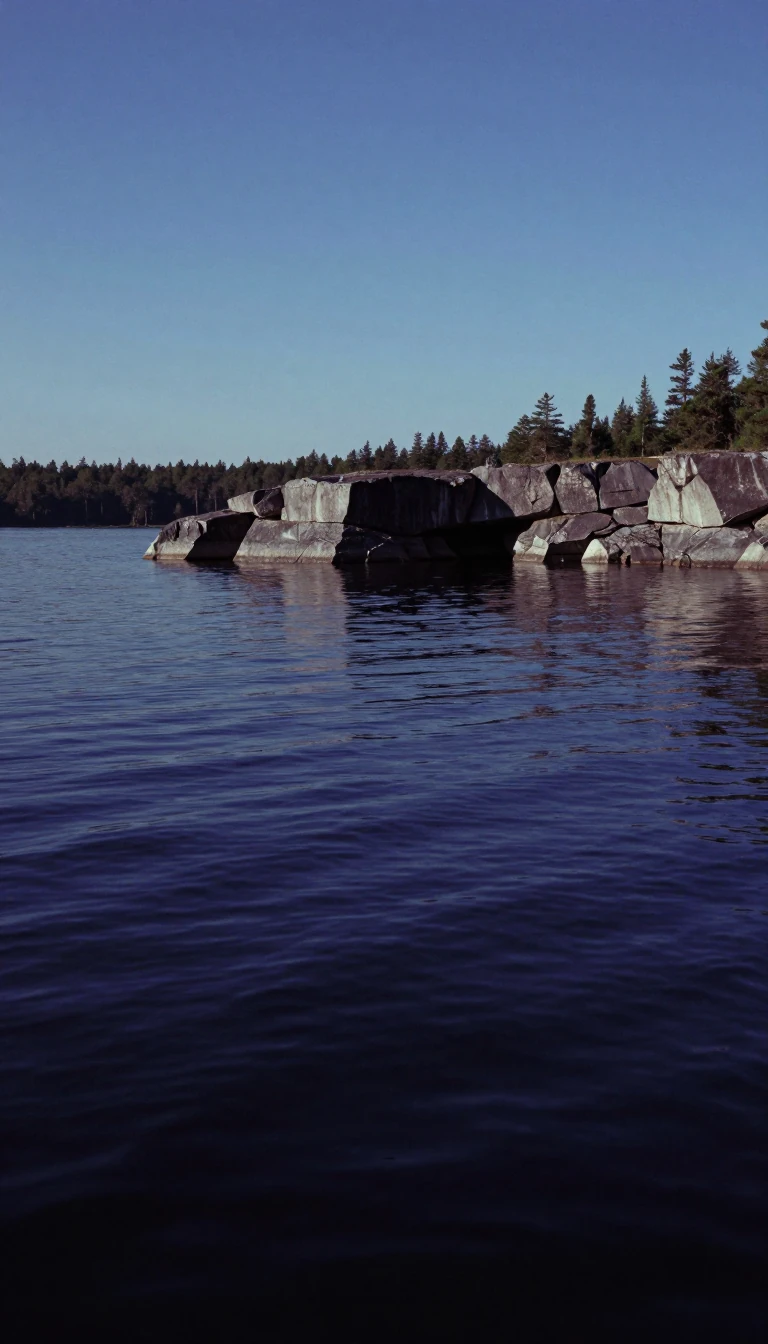 A vanished prehistoric lake still dictates the layout of modern Canadian farmland today.Fifteen thousand years ago, a massive glacial lake covered an area larger than all the Great Lakes combined. When it finally drained, it left behind a thick, nutrient-rich bed of …
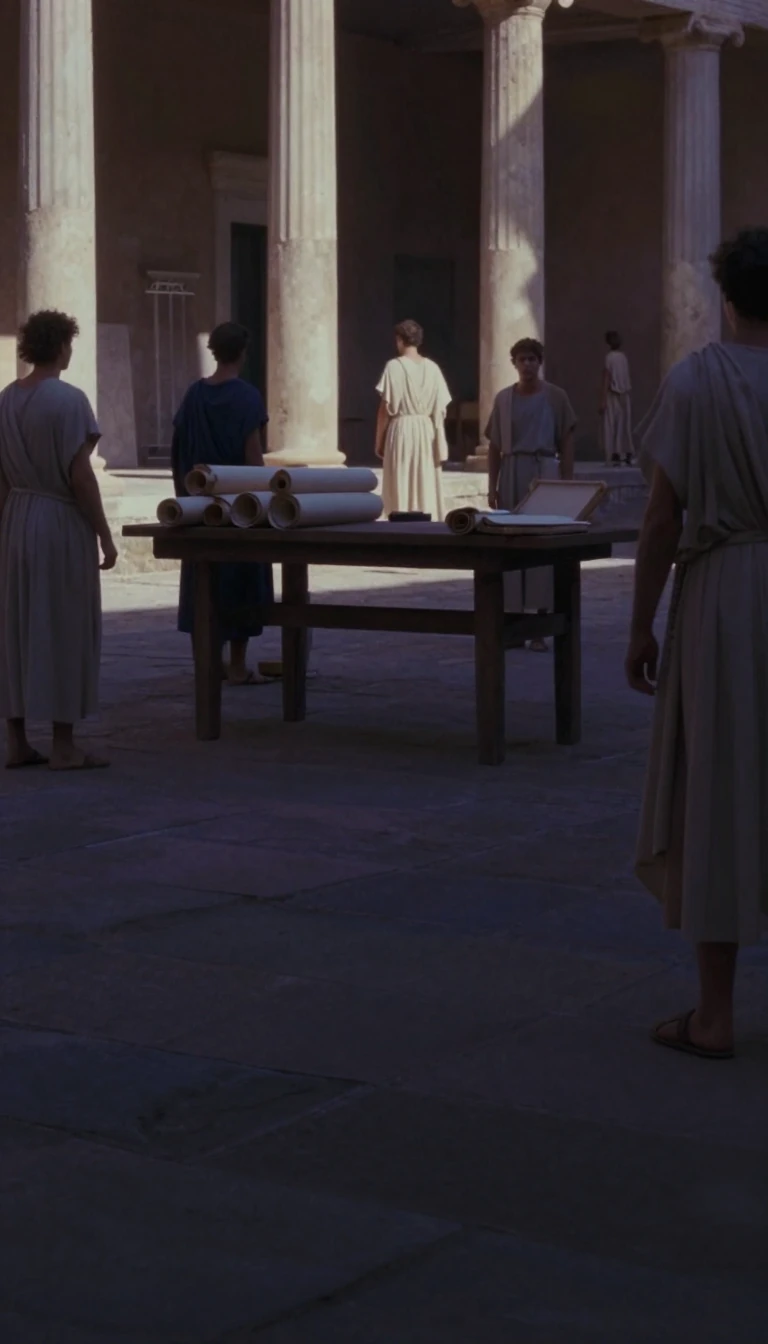 How a Roman consul's tomb became an architectural marvel of the ancient worldCommissioned as a funerary monument for a Roman proconsul, the Library of Celsus in Ephesus was an architectural triumph of the second century. By blending Greek and Roman buildin…
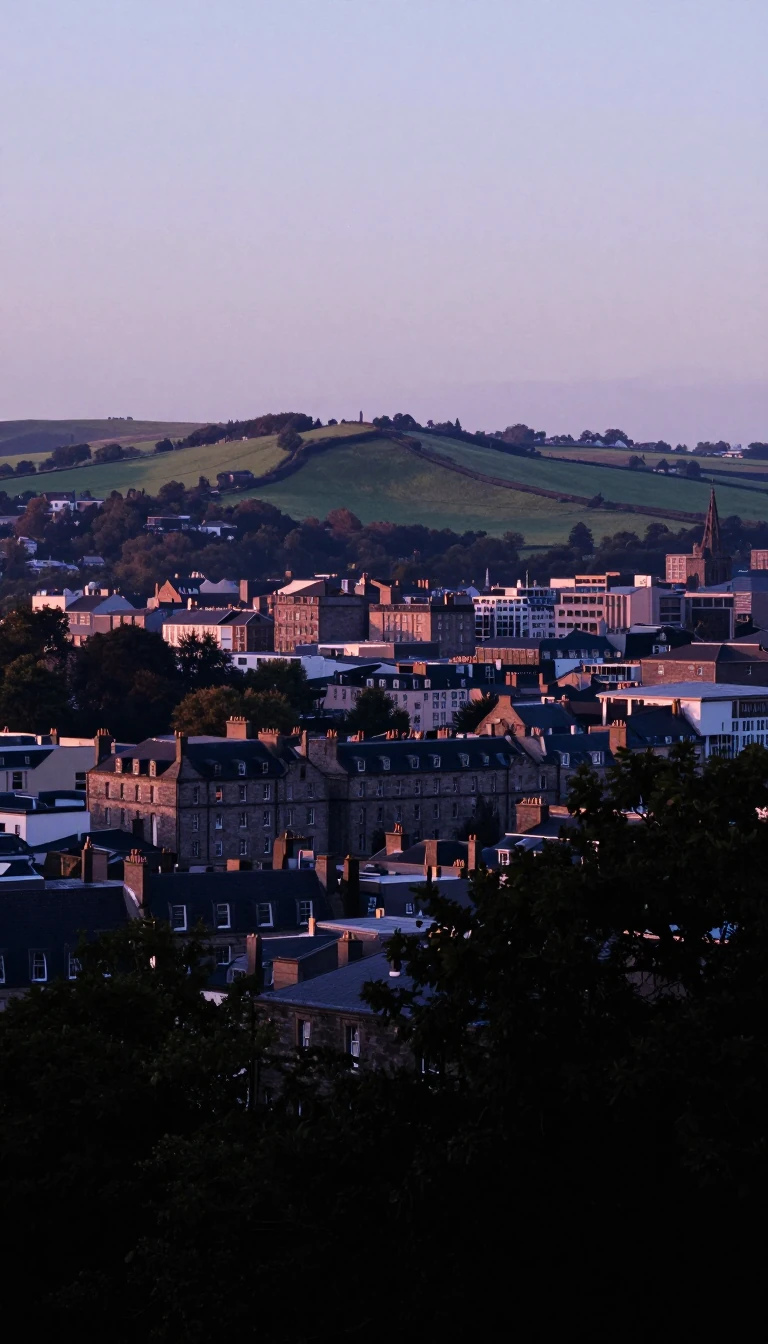 Why London’s largest borough is actually a vast, protected stretch of rural farmlandSpanning 59 square miles, the London Borough of Bromley defies the city's concrete reputation. As the capital's largest and most rural district, it features extensive green belts,…
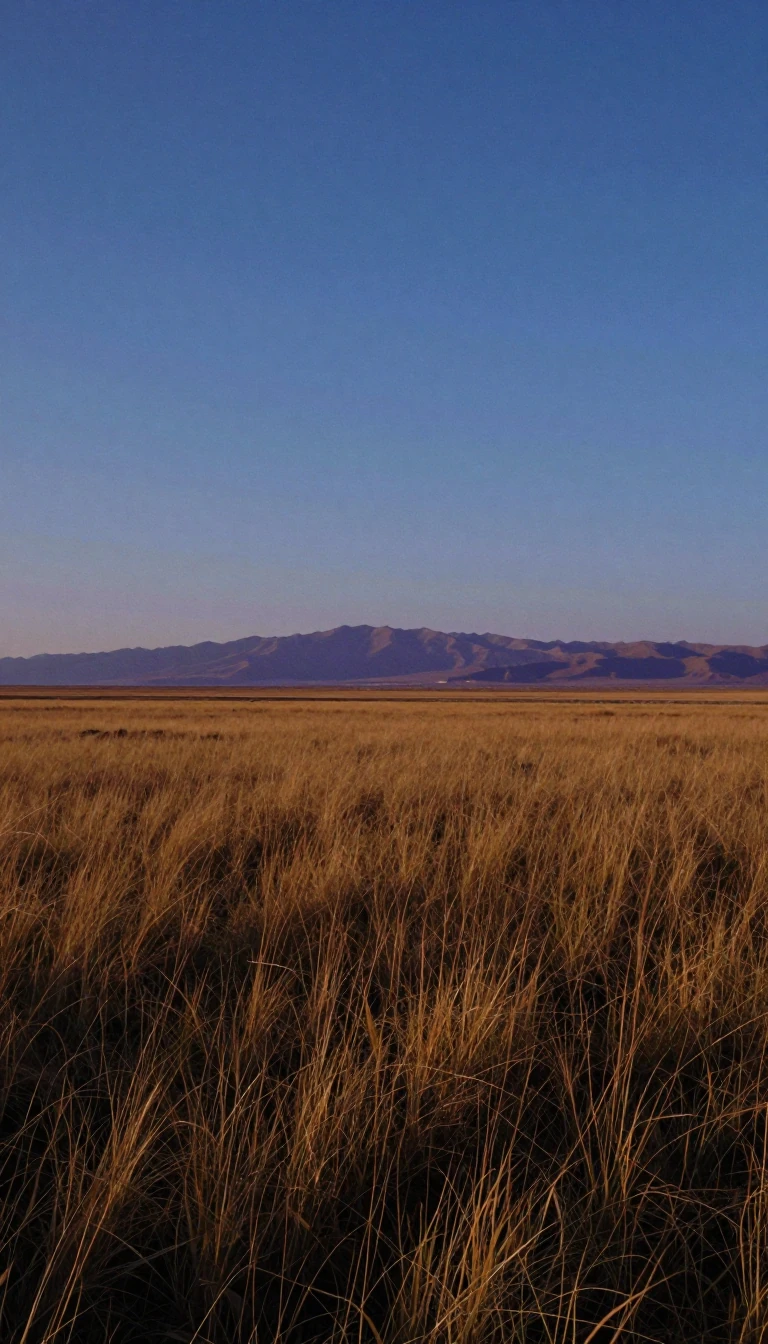 Did the woolly mammoth vanish because its ecosystem collapsed, or did it cause the collapse?The mammoth-steppe was once Earth's most expansive biome, a cold, dry grassland stretching across three continents. Its sudden disappearance remains a scientific puzzle. Did clima…