Why the fog of war is more than just a lack of clarity
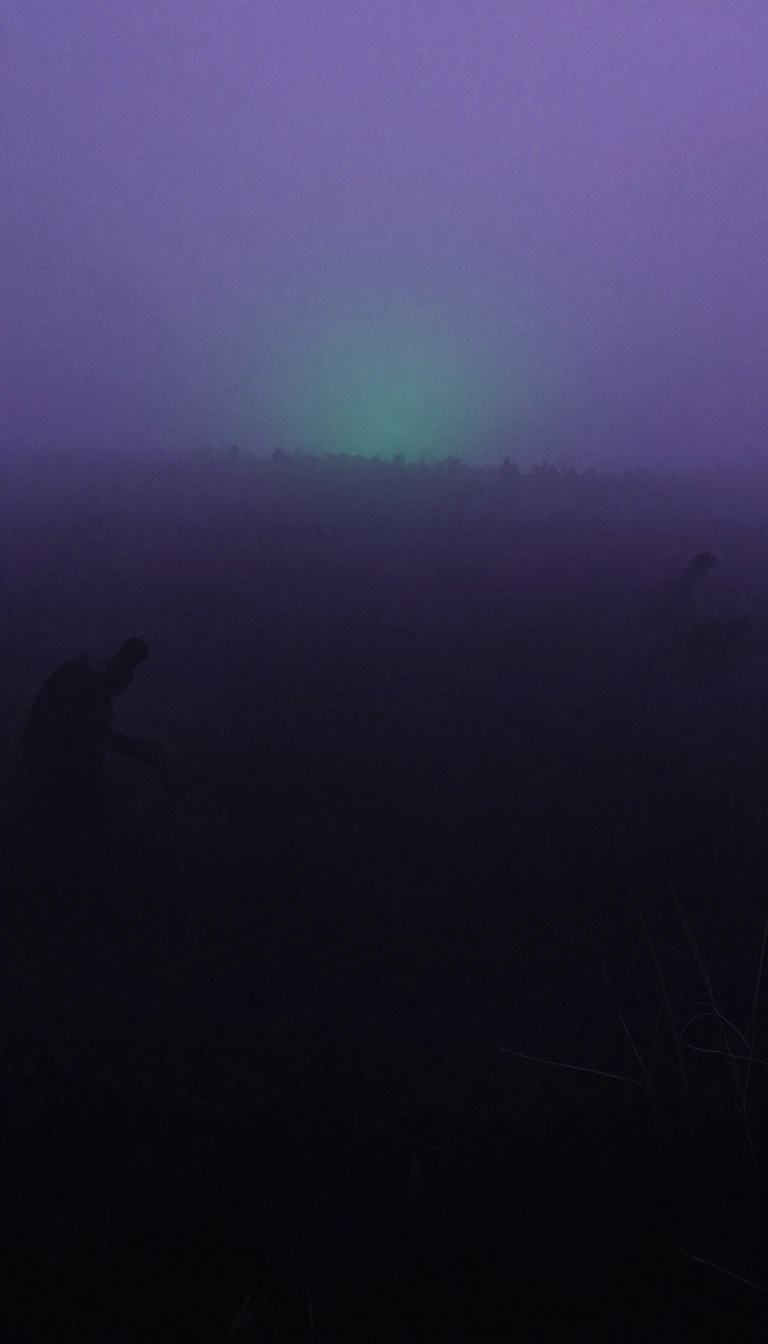
In short: The fog of war is the persistent uncertainty commanders and soldiers face regarding their own capabilities, enemy intentions, and the battlefield itself. While modern technology aims to pierce this veil, the concept remains a fundamental reality of conflict, shaping everything from military doctrine to the mechanics of strategy video games.
The term originates from the work of Prussian military analyst Carl von Clausewitz. In his 1832 book Vom Kriege, he described war as a realm of uncertainty where three-quarters of the factors influencing action are obscured. While Clausewitz never used the exact phrase 'fog of war,' he employed similar metaphors like 'twilight' and 'moonlight' to capture the lack of clarity inherent in combat. The specific phrase first appeared in an 1836 poem by McDonald Clarke, and was later formally defined in 1896 by Sir Lonsdale Augustus Hale as a state of ignorance regarding the strength and position of both friends and foes.
For individual soldiers, this fog manifests as pure confusion. Communication failures, limited sensory input, and the chaotic nature of battle lead to a breakdown in situational awareness. Militaries attempt to mitigate this through command and control systems and intelligence, surveillance, and reconnaissance technology. However, as U.S. Army Gen. Mark A. Milley noted in 2016, modern sensors have created a battlefield so lethal that staying in one place for more than a few hours is dangerous, forcing a trade-off where militaries prioritize speed and agility over total certainty.
Beyond the battlefield, the concept has become a staple of wargaming. Early computer games like the 1977 title Empire pioneered digital fog of war, where terrain and enemy units remain hidden until explored. Designers like Chris Crawford have long debated its implementation, noting that while it adds realism and excitement, excessive complexity can diminish the fun. Today, franchises like StarCraft and Warcraft use these systems to incentivize exploration, though developers sometimes grant AI 'cheating' knowledge of the map to compensate for artificial intelligence limitations, proving that the fog of war is as much about psychological engagement as it is about simulation.
Opens the Intellect+ feed with this card first. Swipe up for the next one.
Sources
- Summary by Intellect · source: Fog of war
To cite this card, link to https://intellectplus.co.uk/app/nature-fog-of-war.
How we source, check and correct cards: Editorial standards.
General information, not professional advice. Spotted an error? Flag the card or see corrections and complaints.
Intellect Plus is a visual educational discovery platform for exploring fascinating facts and ideas. Brain Food, Not Brain Rot. What is Intellect Plus?
Related
More in Earth science · More in Nature · Latest · A–Z · All topics
