Why nearly 30 percent of the global population faces a daily struggle for food
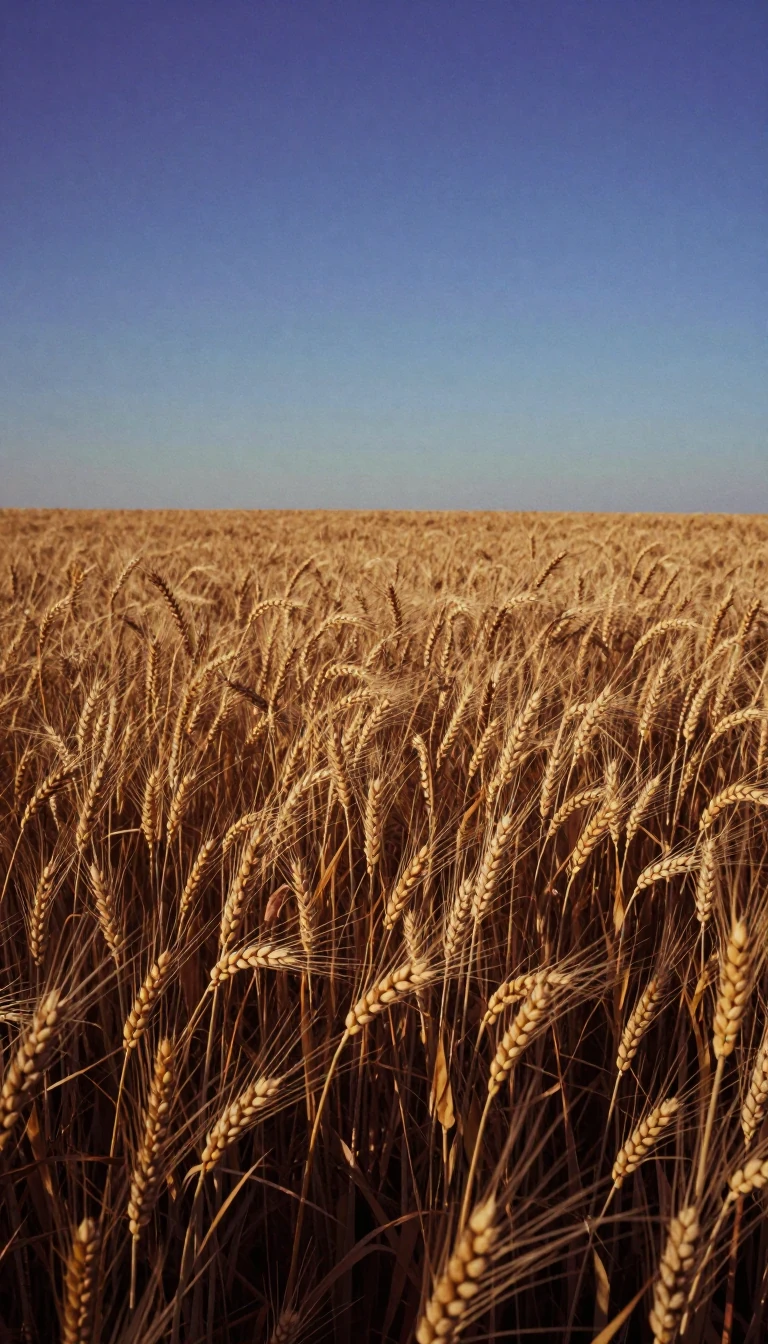
In short: Established in 1945, the Food and Agriculture Organization remains the United Nations' oldest specialized agency. Despite decades of effort to boost agricultural productivity, recent data reveals a sobering reality: over 2.4 billion people currently face moderate to severe food insecurity, driven by conflict, economic instability, and the climate crisis.
The Food and Agriculture Organization (FAO) was founded in October 1945 with the ambitious mandate to eliminate hunger and improve global nutrition. Today, it operates as a sprawling network of 194 members, headquartered in Rome, Italy. Its mission encompasses the complex pillars of food security: ensuring that food is available, accessible, properly utilized, and stable over time. The agency coordinates international efforts across agriculture, forestry, and fisheries, providing technical assistance and research to help nations navigate the volatile global food market.
The challenge of global food security is currently in a state of decline. After nearly a decade of progress, ratings began to fall in the early 2020s. By 2022, approximately 29.6 percent of the world's population experienced significant limitations in food access. This regression is largely attributed to the economic fallout of the COVID-19 pandemic, which began in 2020, and the 2022 Russian invasion of Ukraine. The latter disrupted vital agricultural supplies, sending the prices of wheat, corn, fuel, and fertilizer to record highs and compounding existing issues like inflation and trade restrictions.
Addressing these systemic failures requires moving beyond traditional agricultural models. The FAO advocates for sustainable practices, such as permaculture and the diversification of crops, to build resilience against climate change and extreme weather. Furthermore, the agency highlights the urgent need to reduce food waste; globally, about one-third of all food produced is lost post-harvest. From promoting unconventional protein sources like insect-based flour to supporting policies that increase the purchasing power of vulnerable households, the FAO continues to search for scalable solutions to a crisis that remains deeply tied to poverty, inequality, and geopolitical instability.
Opens the Intellect+ feed with this card first. Swipe up for the next one.
Sources
- Summary by Intellect · source: Food and Agriculture Organization | Description, United Nations, History, & Facts | Britannica
- Also: Food and Agriculture Organization
To cite this card, link to https://intellectplus.co.uk/app/nature-food-and-agriculture-organization.
How we source, check and correct cards: Editorial standards.
General information, not professional advice. Spotted an error? Flag the card or see corrections and complaints.
Intellect Plus is a visual educational discovery platform for exploring fascinating facts and ideas. Brain Food, Not Brain Rot. What is Intellect Plus?
Related
More in Physical geography · More in Nature · Latest · A–Z · All topics
