Why nature is not a simple chain but a complex, interconnected web of life
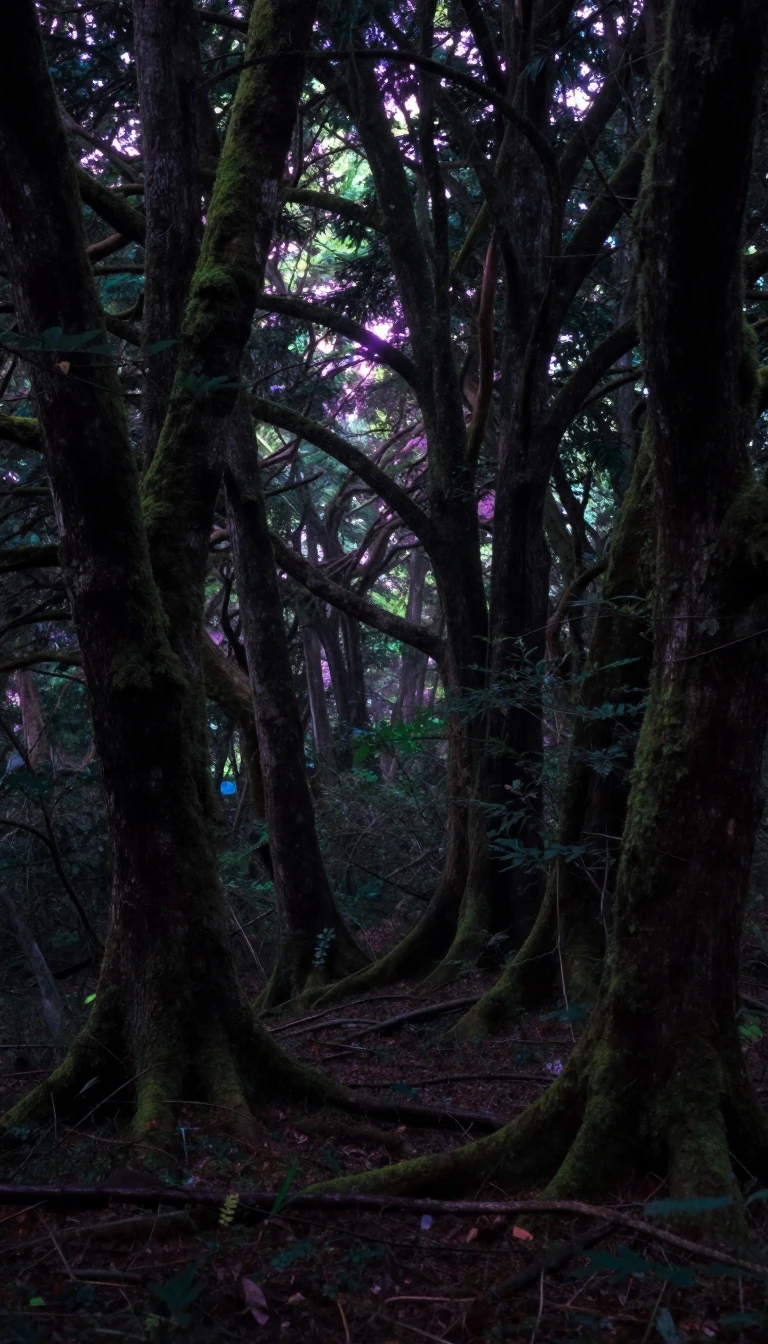
In short: A food chain is a linear path, but nature is a tangled web. Most organisms eat multiple species, and many shift their diets throughout their lives. This complexity means energy does not just flow in one direction; it cycles through a vast, interconnected network that sustains every living community.
At the heart of every ecosystem is a trophic pyramid, a structure that organizes species by how they obtain energy. The base consists of autotrophs—primary producers that create food from inorganic sources. In most terrestrial environments, these are plants, while oceans rely on phytoplankton. However, nature defies simple rules. In freshwater streams, the base is often detritus, consisting of fallen leaves broken down by microorganisms. Even more remarkably, deep-sea hydrothermal vents host communities that bypass sunlight entirely. Here, sulfur-oxidizing bacteria perform chemosynthesis, using geothermal energy to fix carbon dioxide, supporting a unique ecosystem where about 200 new species have been identified since the 1980s.
As energy moves up the pyramid from producers to consumers, it becomes increasingly scarce. Organisms must expend significant energy on metabolic processes like staying warm or digesting food, resulting in a heat loss of 80 to 90 percent at each level. Consequently, top carnivores have the least amount of energy available to them. This energy limitation explains why most food chains are restricted to just three or four trophic levels. Because consumers often feed on multiple species or occupy different levels depending on their life stage, these chains inevitably intertwine into complex food webs.
Ecologists study these webs to understand the flow of nutrients and the stability of biological communities. While a food chain traces a single path, a food web maps the reality of who eats whom across an entire ecosystem. By using network theory and mathematical models, researchers can identify non-random patterns in how these species interact. Whether through the sun-drenched canopy of a forest or the dark, volcanic cracks of the ocean floor, these webs represent a unified system of exchange, proving that every organism, from the smallest microbe to the largest predator, is a vital node in a larger, interconnected whole.
Opens the Intellect+ feed with this card first. Swipe up for the next one.
Sources
- Summary by Intellect · source: Food web | Definition, Ecosystem, Food Chain, & Examples | Britannica
- Also: Food web
To cite this card, link to https://intellectplus.co.uk/app/nature-food-web.
How we source, check and correct cards: Editorial standards.
General information, not professional advice. Spotted an error? Flag the card or see corrections and complaints.
Intellect Plus is a visual educational discovery platform for exploring fascinating facts and ideas. Brain Food, Not Brain Rot. What is Intellect Plus?
Related
More in Ecology · More in Nature · Latest · A–Z · All topics
