The Fox Terrier: A hunting specialist that conquered the world of dog shows
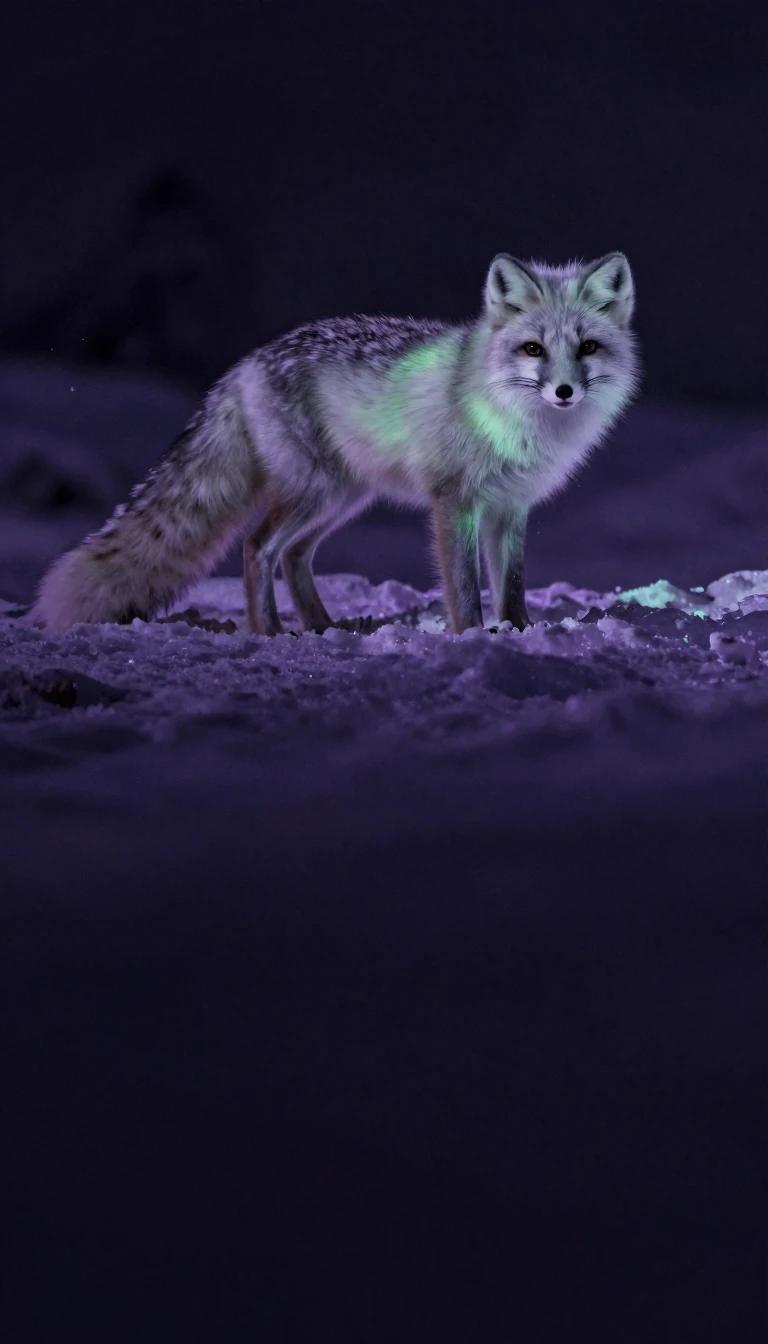
In short: Originally bred to flush foxes from their dens, the Fox Terrier evolved from a chunky, short-legged worker into a refined show-ring champion. While their hunting utility declined as they grew larger, these dogs became icons of pedigree, dominating prestigious competitions and capturing the hearts of royalty and enthusiasts alike.
The modern Fox Terrier exists in two distinct varieties: the Smooth and the Wire. Their origins are somewhat mysterious, but 19th-century breeders likely incorporated diverse bloodlines, including the Beagle, Old English Bulldog, and Dalmatian, to stabilize the breed. By 1870, a clear pedigree emerged, anchored by foundational dogs like Old Jock and Trap. These early terriers were initially built for utility, specifically to drive foxes out of dens while hunting alongside English Foxhounds. As the pace of the hunt accelerated, breeders selected for longer legs, inadvertently rendering the dogs too large for their original subterranean purpose.
The breed's transition from field worker to show star was rapid. The Fox Terrier Club of England formed in 1876, followed by an American counterpart nine years later. Their success in the ring is unparalleled; at the Westminster Kennel Club Dog Show, the Wire Fox Terrier has secured fourteen Best in Show titles, while the Smooth Fox Terrier has claimed four. A Smooth Fox Terrier named Warren Remedy achieved legendary status by winning the top prize three consecutive years, from 1907 to 1909. By the 20th century, royal patronage from King Edward VII, who owned a Wire Fox Terrier named Caesar of Notts, further cemented the breed's popularity.
Despite their show-ring dominance, the breed faces modern challenges. The Smooth Fox Terrier is now classified as a Vulnerable Native Breed in the UK, with annual registrations falling well below the 300-dog threshold. Health concerns also persist, with the Smooth variety prone to hereditary cataracts and myasthenia gravis, while the Wire variety faces risks like megaesophagus and atopic dermatitis. Nevertheless, they remain long-lived companions, with a median lifespan of 13 years and 2 months. Today, the two types are treated as separate breeds, reflecting their distinct coat textures and specialized histories.
Opens the Intellect+ feed with this card first. Swipe up for the next one.
Sources
- Summary by Intellect · source: Fox Terrier
To cite this card, link to https://intellectplus.co.uk/app/nature-fox-terrier.
How we source, check and correct cards: Editorial standards.
General information, not professional advice. Spotted an error? Flag the card or see corrections and complaints.
Intellect Plus is a visual educational discovery platform for exploring fascinating facts and ideas. Brain Food, Not Brain Rot. What is Intellect Plus?
Related
More in Animal breeds and hybrids · More in Nature · Latest · A–Z · All topics
