The Victorian blood sport that engineered modern dog breeds
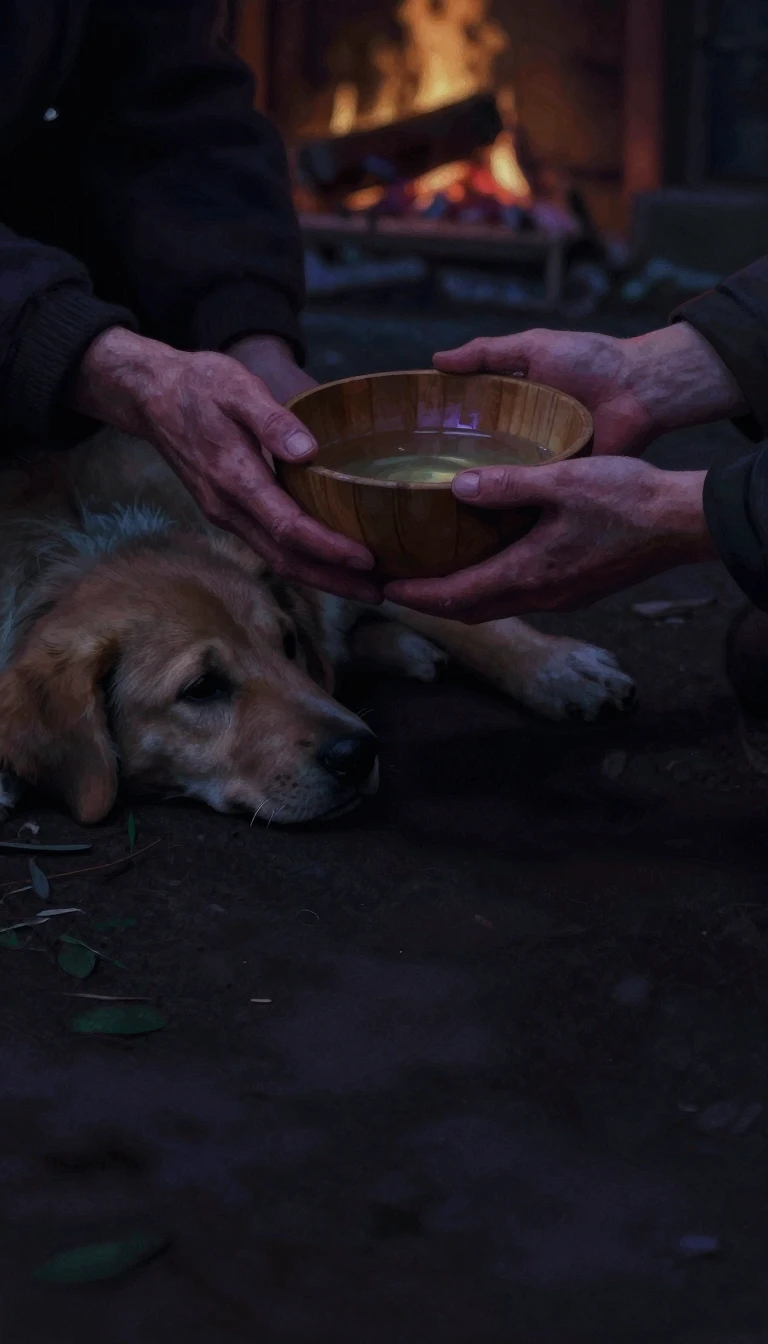
In short: Before they were family pets, bull and terrier crosses were high-stakes athletes of the Victorian era. Bred for tenacity in brutal blood sports like rat-baiting, these hybrids created a genetic blueprint that eventually gave rise to six distinct modern breeds we recognize today.
In the early 1800s, dogs were classified by function rather than aesthetics. The bull and terrier was a heterogeneous group of crosses between bulldogs and various terriers from Ireland and Great Britain. Breeders sought to combine the 'gameness and agility' of the terrier with the heavy bone structure and muscular jaw of the bulldog. These traits were essential for blood sports, including bull-baiting and rat-baiting—a popular 19th-century spectacle in London that combined gambling with canine combat.
The genetic history of these dogs is complex and often undocumented. While some early reports suggested a preference for higher bulldog content, the specific pedigrees varied geographically. For instance, Irish varieties were crossed with hunting sighthounds, while English types like the Walsall variety eventually migrated to the United States. A 2016 genetic assessment confirmed that bulldogs descended from mastiffs and contained pug DNA, but also revealed a significant loss of diversity due to artificial bottlenecks caused by selective breeding for specific physical traits.
The legacy of these hybrids is vast. By the mid-1830s, as bull-baiting bans began to take effect, canine genetics shifted rapidly. These crosses became the forerunners of six distinct breeds: the Bull Terrier, Boston Terrier, American Staffordshire Terrier, Staffordshire Bull Terrier, and Miniature Bull Terrier. Even the Fox Terrier and Airedale Terrier share ancestry with these early hybrids. This transition from functional fighting dogs to standardized breeds marks a pivotal shift in how humans have shaped canine evolution.
The terminology remains a point of confusion today. 'Pit bull' is often mistakenly used as a breed name, but it actually describes a diverse group of dogs, including various purebreds and blends. Historically, names like 'half-and-half' or 'pit dog' were common aliases for these versatile hybrids before they were codified into the breeds we see in modern kennel clubs.
Opens the Intellect+ feed with this card first. Swipe up for the next one.
Sources
- Summary by Intellect · source: Bull and terrier
To cite this card, link to https://intellectplus.co.uk/app/culture-bull-and-terrier.
How we source, check and correct cards: Editorial standards.
General information, not professional advice. Spotted an error? Flag the card or see corrections and complaints.
Intellect Plus is a visual educational discovery platform for exploring fascinating facts and ideas. Brain Food, Not Brain Rot. What is Intellect Plus?
Related
More in Festivals & celebrations · More in Cultures · Latest · A–Z · All topics
