The ancient grain that fed early civilizations is making a quiet, resilient comeback
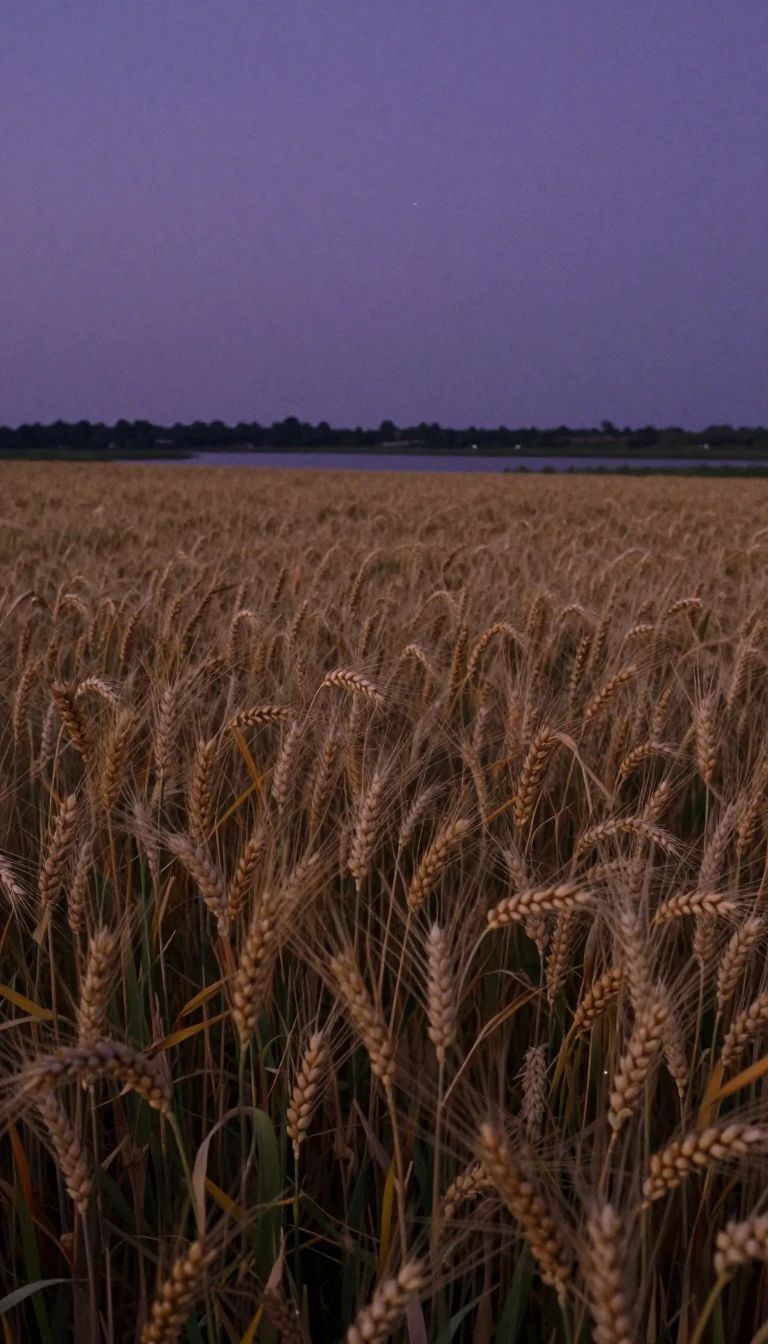
In short: Foxtail millet has been a human staple for 8,000 years, from the banks of the Yellow River to the arid plains of India. Once the dominant grain of northern China, this hardy, fast-growing grass is now being rediscovered by farmers for its ability to thrive in poor soil with little water.
Foxtail millet, scientifically known as Setaria italica, holds a unique place in agricultural history. Archaeological evidence traces its domestication to the Cishan culture in China, with findings dating back approximately 8,000 years. Unlike its wild ancestor, Setaria viridis, which naturally sheds its seeds to ensure dispersal, the domesticated variety was selectively bred to retain its seeds, making it a reliable food source for early human societies. This transition from a wild grass to a cultivated staple allowed it to spread across Asia, reaching the Tibetan Plateau and Taiwan by 3000–2800 BC, and eventually appearing in Europe during the second millennium BC.
The plant is remarkably efficient, maturing in as little as 75 to 90 days for grain harvest. Its biological resilience makes it an ideal crop for arid and semi-arid regions, where it requires minimal water and resists many common agricultural stresses. In northern China, it served as the primary staple until the Song dynasty, when wheat began to take precedence. Similarly, in India, it has been a culturally significant crop since antiquity, deeply woven into the food systems of the Sangam period and still valued today in regions like the Karbi Anglong district of Assam.
Despite its historical importance, foxtail millet faced decline in many areas, often replaced by crops like wet-rice or sweet potatoes. However, its modern utility is gaining renewed attention. Because it grows well on poor soil and suffers from relatively few diseases, it is increasingly viewed as a sustainable solution for food security in challenging environments. Researchers are now using its wild relative, S. viridis, to identify genetic resources that could further improve yield and hardiness, ensuring this ancient grain remains a viable part of the future food system.
Opens the Intellect+ feed with this card first. Swipe up for the next one.
Sources
- Summary by Intellect · source: Foxtail millet
- Also: iNaturalist — Foxtail Bristle-grass (Setaria italica) · CC BY-SA 4.0 (Wikipedia summary)
To cite this card, link to https://intellectplus.co.uk/app/nature-foxtail-millet.
How we source, check and correct cards: Editorial standards.
General information, not professional advice. Spotted an error? Flag the card or see corrections and complaints.
Intellect Plus is a visual educational discovery platform for exploring fascinating facts and ideas. Brain Food, Not Brain Rot. What is Intellect Plus?
Related
More in Organisms · More in Nature · Latest · A–Z · All topics
