Finger millet is a resilient, iron-rich grain that can stay edible for fifty years.
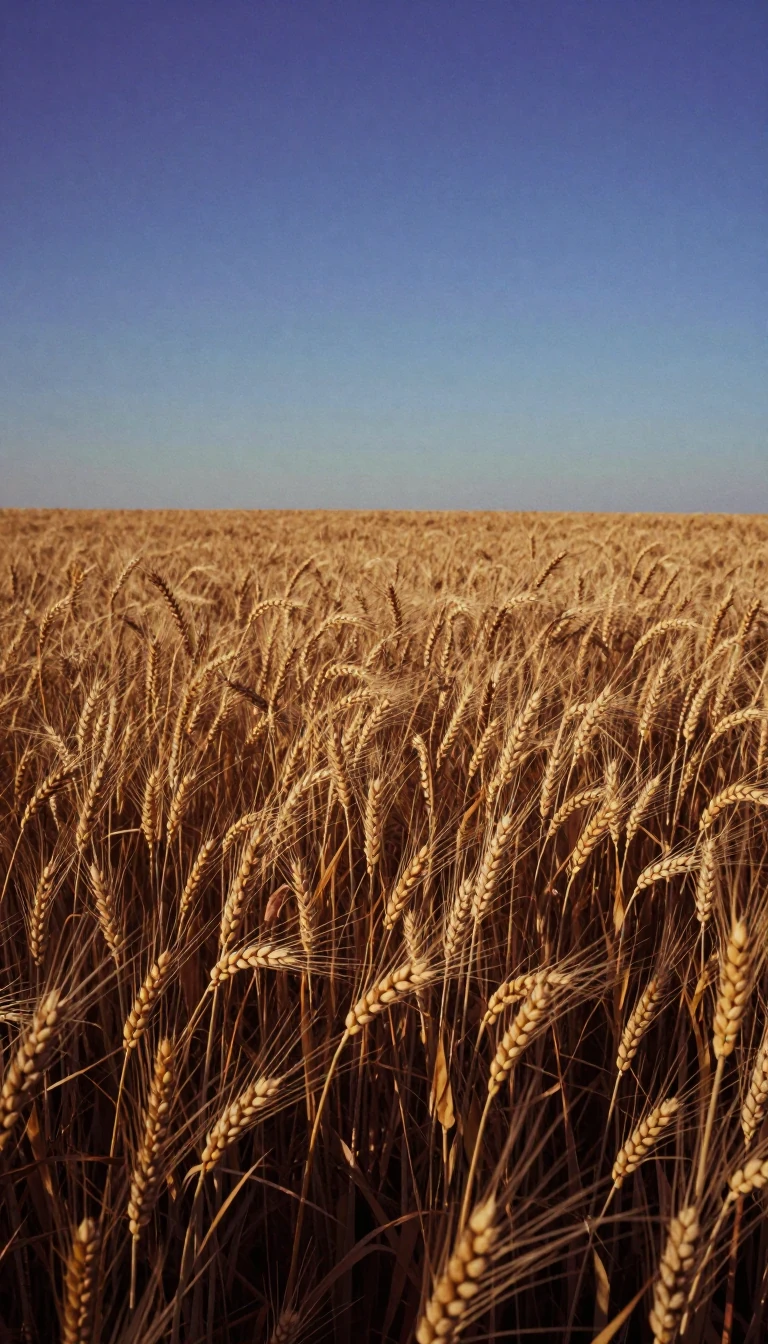
In short: Native to the highlands of East Africa, finger millet is a nutritional powerhouse capable of surviving harsh droughts and high altitudes. While often overlooked for more labor-intensive crops, its ability to remain stored for decades makes it a vital famine-prevention tool for communities across Africa and Asia.
Finger millet (Eleusine coracana) is a hardy, tetraploid annual grass that likely evolved from its wild relative, Eleusine africana. Originating in the Ethiopian and Ugandan highlands, this crop has adapted to thrive in diverse environments, ranging from sea level to altitudes of 2,400 meters. It is remarkably resilient, tolerating both acidic and alkaline soils, as well as significant heat and cool temperatures that would challenge other tropical cereals. Despite its drought tolerance, it performs best with moderate rainfall and well-draining soil.
The grain's most extraordinary trait is its longevity. When stored unthreshed, finger millet can remain viable and edible for up to 10 years, with some reports suggesting it can last as long as 50 years under optimal conditions. This durability makes it a cornerstone of risk-avoidance strategies for farming communities, serving as a reliable famine crop. Nutritionally, it is dense with carbohydrates and fiber, and it is a particularly rich source of iron, providing 87% of the daily value in a 100-gram serving.
Cultivation, however, faces significant hurdles. The plant's small seeds lead to slow early development, making it a weak competitor against aggressive weeds like Indian goose grass. Furthermore, it is susceptible to finger millet blast, a fungal disease that can cause yield losses of up to 80% in severe years. Because the bran is tightly bound to the endosperm, mechanical milling is notoriously difficult, often leading farmers to process it into whole grain flour. Despite these challenges, it remains a staple in many cultures, transformed into everything from fermented beverages and porridges like ragi mudde to traditional medicinal preparations for women after childbirth.
Opens the Intellect+ feed with this card first. Swipe up for the next one.
Sources
- Summary by Intellect · source: Finger millet
- Also: GBIF — Wild African Finger Millet (Eleusine africana) · http://creativecommons.org/licenses/by/4.0/legalcode
To cite this card, link to https://intellectplus.co.uk/app/gardening-finger-millet.
How we source, check and correct cards: Editorial standards.
General information, not professional advice. Spotted an error? Flag the card or see corrections and complaints.
Intellect Plus is a visual educational discovery platform for exploring fascinating facts and ideas. Brain Food, Not Brain Rot. What is Intellect Plus?
Related
More in Plants · More in Gardening · Latest · A–Z · All topics
