Beyond the pet store cage: the resilient desert life of the Gerbillinae subfamily
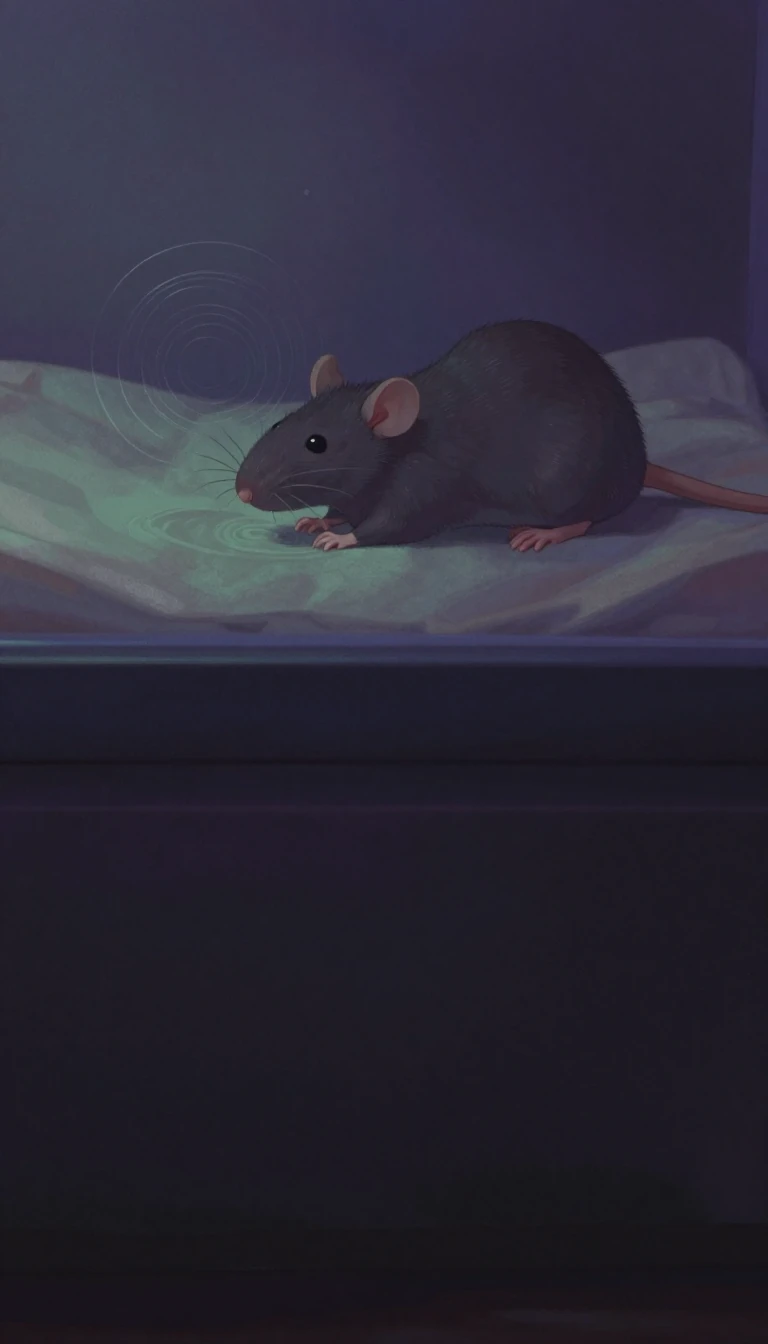
In short: Often known as gentle household pets, gerbils are actually a diverse group of over 110 rodent species perfectly engineered for arid survival. From the sand rats of Africa to the hardy jirds of Asia, these creatures thrive in harsh environments where they can extract all necessary water from their food.
The subfamily Gerbillinae belongs to the vast order Rodentia, a group defined by their ever-growing, rootless incisor teeth. While the Mongolian gerbil (Meriones unguiculatus) has gained fame as a docile companion and a subject for scientific research, it represents only a tiny fraction of a group that spans across Africa, India, and Asia. These rodents are masters of the desert, having evolved specialized behaviors and physiological traits to endure arid climates that would be lethal to many other mammals.
Physically, these rodents are typically between 150 and 300 millimeters long, with their tails accounting for roughly half of that length. While the average adult weighs about 70 grams, there is significant variation across the subfamily. For instance, the great gerbil (Rhombomys opimus), native to Turkmenistan, can reach lengths exceeding 400 millimeters. Their name itself is a linguistic nod to the jerboa, an unrelated group of rodents that occupy a similar ecological niche in the desert landscape.
The success of the Gerbillinae in water-scarce regions is largely due to their opportunistic generalist diet. Unlike many other rodents that require frequent access to standing water, these animals are capable of obtaining their total water requirements directly from the vegetable and animal matter they consume. This adaptation, combined with their ability to construct complex burrow networks, allows them to maintain stable populations in environments where moisture is a rare commodity. Whether they are diurnal or crepuscular, their evolutionary history is a testament to the versatility of the rodent body plan.
Opens the Intellect+ feed with this card first. Swipe up for the next one.
Sources
- Summary by Intellect · source: Gerbil | Diet, Habitat & Lifespan | Britannica
- Also: Gerbillinae
To cite this card, link to https://intellectplus.co.uk/app/nature-gerbillinae.
How we source, check and correct cards: Editorial standards.
General information, not professional advice. Spotted an error? Flag the card or see corrections and complaints.
Intellect Plus is a visual educational discovery platform for exploring fascinating facts and ideas. Brain Food, Not Brain Rot. What is Intellect Plus?
Related
More in Vertebrates · More in Nature · Latest · A–Z · All topics
