The Goliath birdeater is the world's heaviest spider, but it rarely eats birds.
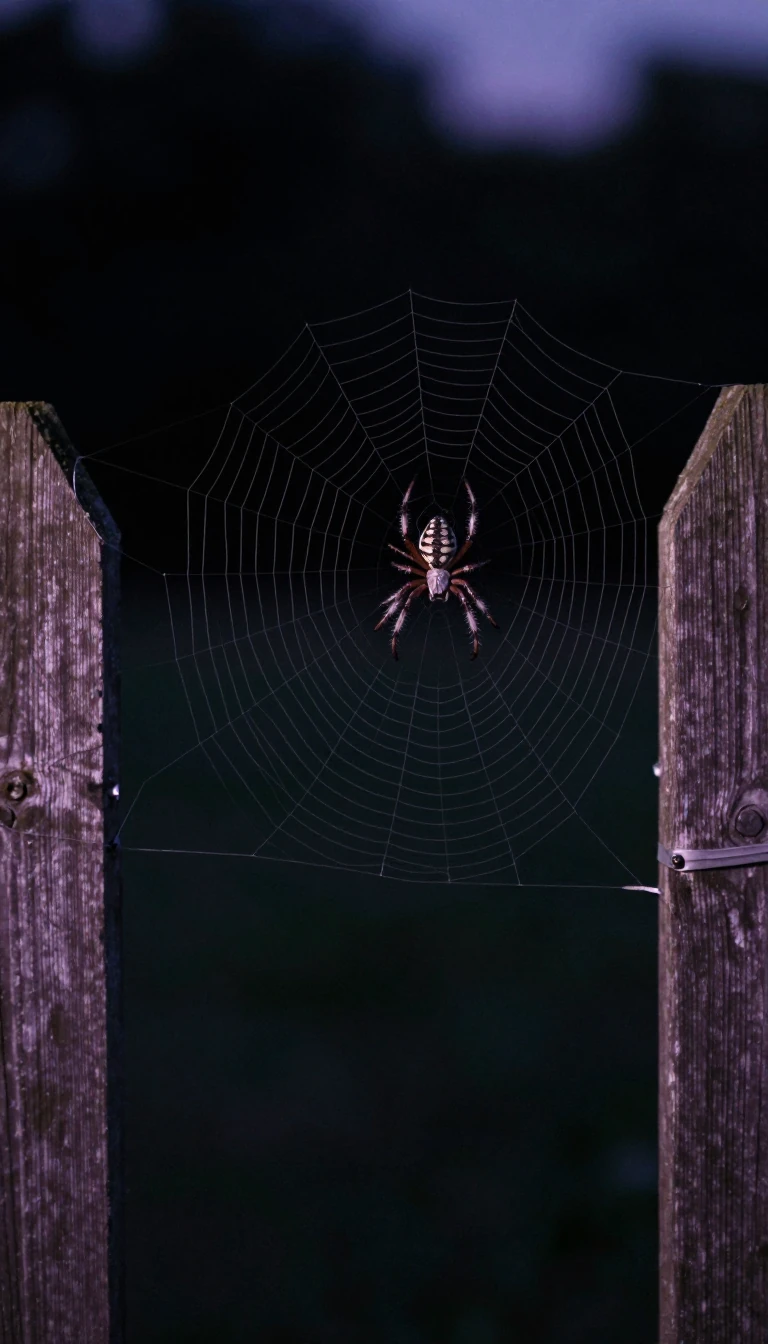
In short: Despite a name that suggests an avian diet, this massive Amazonian tarantula primarily hunts earthworms, insects, and frogs. Weighing as much as a pool ball, it relies on sensitive leg hairs to detect vibrations in the dark, using its formidable size and stinging bristles to fend off predators in the rainforest.
Found in the deep rainforests of northern South America, the Goliath birdeater (Theraphosa blondi) holds the title of the world's largest arachnid by mass. Reaching weights of up to 170 grams and body lengths of 12 centimeters, these spiders are roughly the size of a human fist. Their leg span, which can reach 28 centimeters, is only surpassed by the giant huntsman spider. Despite their intimidating appearance, their common name is a misnomer derived from an 18th-century engraving that depicted a different tarantula consuming a hummingbird. While they are opportunistic predators capable of eating small mammals, bats, and birds, their actual diet consists mostly of invertebrates, frogs, and toads.
These nocturnal hunters live in silk-lined burrows, relying on poor vision and highly sensitive hairs to navigate their environment. When threatened, they employ a sophisticated defense system. They can produce a loud hissing sound through stridulation—rubbing hooked hairs on their legs together—and can launch a cloud of harpoon-shaped, urticating bristles from their abdomen. These hairs act as a severe irritant to the eyes and respiratory passages of potential predators. While their venomous fangs can grow over 3 centimeters long, a bite to a human is typically nonlethal, often compared to the pain of a wasp sting.
The life cycle of the Goliath birdeater is marked by slow development and distinct sexual dimorphism. Females can live for 20 years, while males typically survive only 3 to 6 years, dying within months of reaching sexual maturity. During reproduction, a female deposits 50 to 200 eggs into a tennis-ball-sized sac, which she guards protectively. The spiderlings remain near the mother for several weeks, molting multiple times in their first year to accommodate their rapid growth. Interestingly, in some regions of South America, the spider is considered a local delicacy, prepared by carefully singeing off its stinging bristles before roasting the body in banana leaves.
Opens the Intellect+ feed with this card first. Swipe up for the next one.
Sources
- Summary by Intellect · source: Goliath birdeater | Spider, Tarantula, Description, Size, Bite, Diet, Scientific Name, & Facts | Britannica
- Also: Goliath bird-eating tarantula
- Also: Goliath birdeater facts
- Also: Goliath birdeater
To cite this card, link to https://intellectplus.co.uk/app/nature-goliath-birdeater.
How we source, check and correct cards: Editorial standards.
General information, not professional advice. Spotted an error? Flag the card or see corrections and complaints.
Intellect Plus is a visual educational discovery platform for exploring fascinating facts and ideas. Brain Food, Not Brain Rot. What is Intellect Plus?
Related
More in Arthropods · More in Nature · Latest · A–Z · All topics
