The rock beneath our feet is the secret foundation of the continental crust
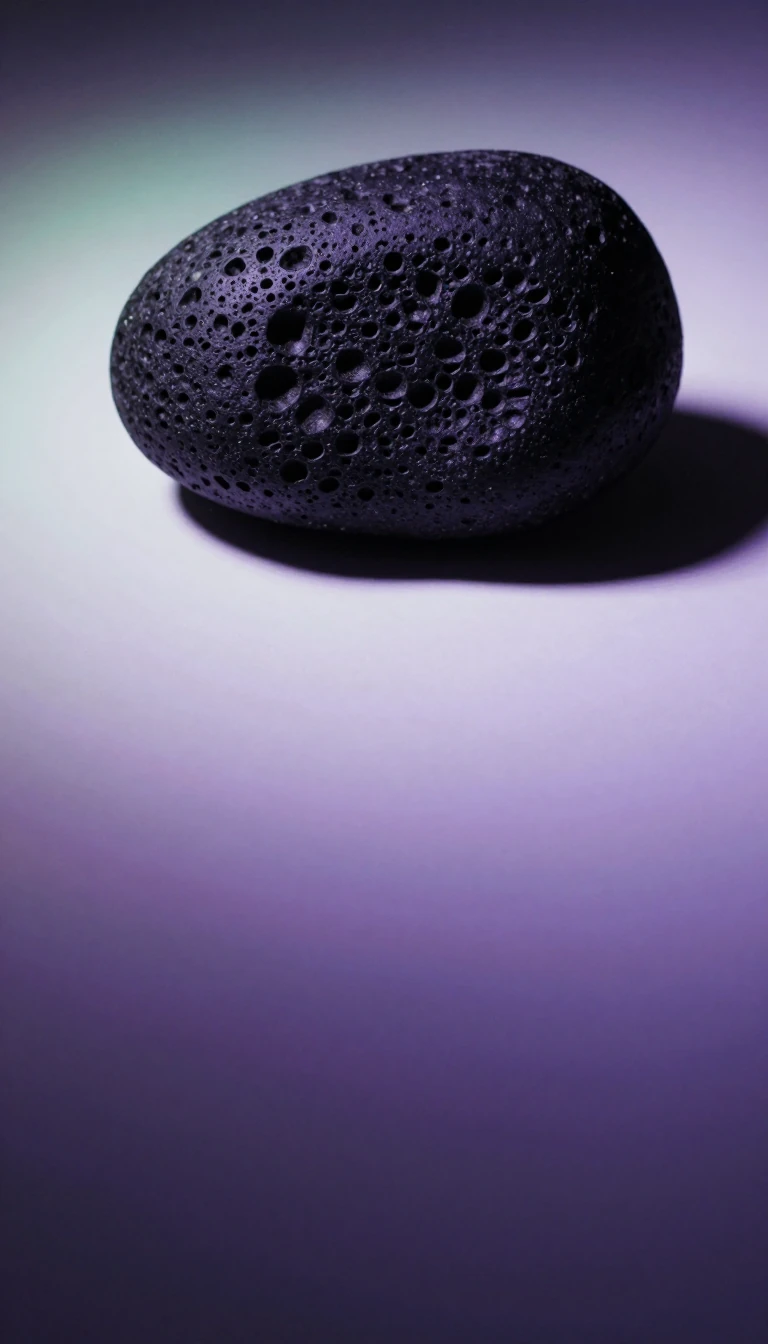
In short: Granodiorite is more than just a common building stone. It is the geological equivalent of the upper continental crust itself. Often mistaken for granite, this intrusive igneous rock has shaped everything from the Pantheon in Rome to the Rosetta Stone, hiding in plain sight beneath the Earth's surface.
Granodiorite is a coarse-grained, intrusive igneous rock that sits between granite and diorite in composition. Its name reflects this intermediate status, combining the Latin root for grain with a French term describing its distinct, contrasting colors. Unlike granite, which is dominated by orthoclase feldspar, granodiorite contains a higher proportion of plagioclase feldspar. According to the QAPF classification system, it must contain over 20% quartz by volume, with plagioclase making up 65% to 90% of its total feldspar content. If the plagioclase concentration rises even further, the rock is reclassified as tonalite.
Formed from silica-rich magma that cools slowly in massive underground structures like batholiths, granodiorite only reaches the surface through long-term geological uplift and erosion. Its appearance is typically darker and more two-toned than granite, a result of higher concentrations of biotite and hornblende. It also contains various minor minerals, including magnetite and ilmenite. Because its average chemical composition mirrors that of the upper continental crust, it is a fundamental component of the Earth's landmasses, appearing in vast formations like the Sierra Nevada mountains.
Humanity has long valued this durable stone for its aesthetic and structural properties. In the 1st to 3rd centuries AD, Roman engineers quarried it at Mons Claudianus in Egypt to create massive architectural features, such as the 12-meter-tall columns of the Pantheon. While its use in ancient Egyptian sculpture remains a subject of debate—partly because many older artifacts may have been lost—the famous Rosetta Stone stands as a testament to its historical significance. Today, while still used as an ornamental stone and for building facades, granodiorite is most frequently employed as crushed aggregate for road construction, serving as a silent, sturdy foundation for modern infrastructure.
Opens the Intellect+ feed with this card first. Swipe up for the next one.
Sources
- Summary by Intellect · source: Granodiorite
To cite this card, link to https://intellectplus.co.uk/app/nature-granodiorite.
How we source, check and correct cards: Editorial standards.
General information, not professional advice. Spotted an error? Flag the card or see corrections and complaints.
Intellect Plus is a visual educational discovery platform for exploring fascinating facts and ideas. Brain Food, Not Brain Rot. What is Intellect Plus?
Related
More in Geology · More in Nature · Latest · A–Z · All topics
