Beneath the surface, the Earth builds massive stone structures in total silence and darkness.
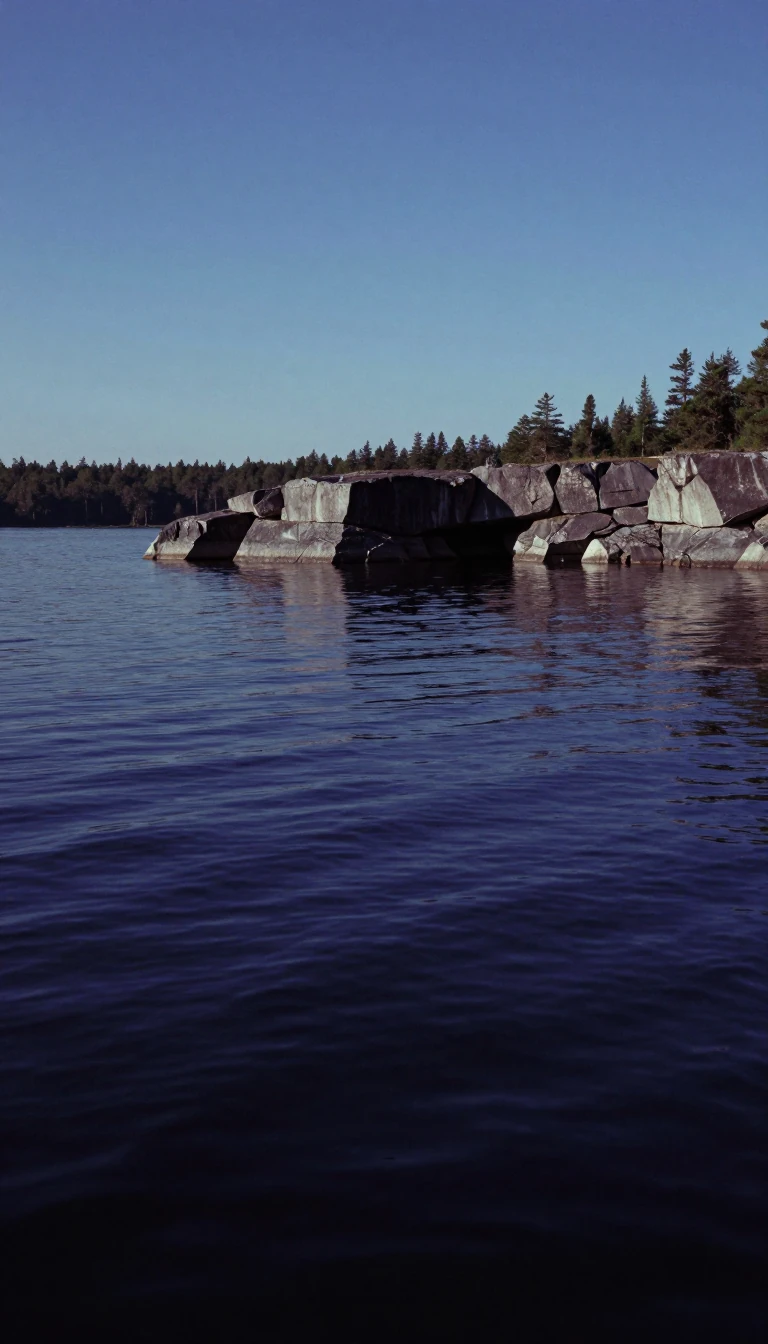
In short: While volcanoes grab the headlines, most igneous rock never sees the sun. Instead, it forms deep underground as magma slowly cools within the crust. These intrusive rocks, ranging from mountain-sized batholiths to thin veins, reveal the hidden, patient architecture of our planet through their unique crystal structures and mineral compositions.
Intrusive rock originates when magma forces its way into existing geological formations, crystallizing within the crust rather than erupting onto the surface. Because the surrounding country rock acts as a powerful insulator, this cooling process occurs with extreme slowness. This extended timeframe allows for the development of phaneritic, or coarse-grained, textures where individual crystals grow large enough to be visible to the naked eye.
Geologists often categorize these formations based on their depth and grain size. Plutonic rocks, which form deep within the Earth, are typically coarse-grained. In contrast, hypabyssal or subvolcanic rocks form closer to the surface in structures like dikes and sills. These shallower intrusions cool more rapidly, resulting in finer grains that can sometimes resemble volcanic lavas. While plutonic rocks make up about 7% of the current land surface, they manifest in diverse shapes, including massive discordant batholiths and concordant laccoliths that follow existing bedding planes.
The classification of these rocks relies heavily on their mineral makeup, particularly the proportions of quartz, plagioclase, alkali feldspar, and feldspathoid. Beyond mere composition, the physical conditions of crystallization leave distinct marks. For instance, minerals like muscovite are found exclusively in intrusive settings, while the presence of specific polymorphs—such as orthoclase versus sanidine—serves as a diagnostic tool for identifying the depth and thermal history of the rock. Because intrusive rocks solidify in a confined environment, they often exhibit an equigranular structure, though they may occasionally contain miarolitic cavities where trapped gases have allowed for the growth of well-shaped crystals.
The internal texture of these rocks also reflects the sequence of their formation. Early-forming crystals tend to be idiomorphic, possessing perfect geometric shapes, while later minerals are forced to fill the irregular gaps between their predecessors, resulting in a xenomorphic appearance. This slow, deliberate process of mineral assembly stands in stark contrast to the rapid, chaotic cooling of extrusive volcanic events, providing a permanent record of the Earth's internal thermal evolution.
Opens the Intellect+ feed with this card first. Swipe up for the next one.
Sources
- Summary by Intellect · source: Intrusive rock
To cite this card, link to https://intellectplus.co.uk/app/nature-intrusive-rock.
How we source, check and correct cards: Editorial standards.
General information, not professional advice. Spotted an error? Flag the card or see corrections and complaints.
Intellect Plus is a visual educational discovery platform for exploring fascinating facts and ideas. Brain Food, Not Brain Rot. What is Intellect Plus?
Related
More in Geology · More in Nature · Latest · A–Z · All topics
