The great horned owl has no horns, but it does have a deadly grip.
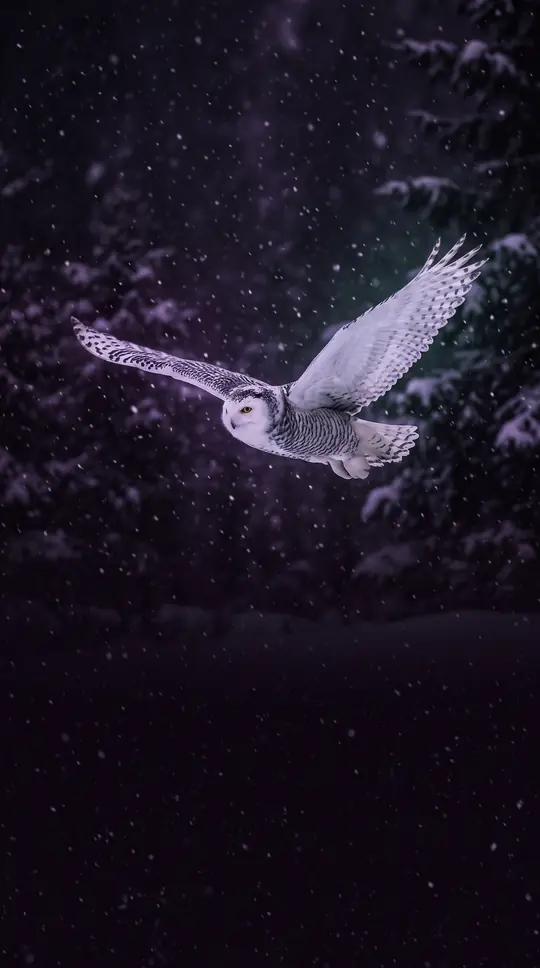
In short: Despite its name, the great horned owl possesses no horns. Those iconic tufts, known as plumicorns, remain a biological mystery. Beyond their appearance, these nocturnal predators are masters of silence and strength, capable of exerting 28 pounds of force to secure prey ranging from tiny scorpions to large skunks and geese.
The great horned owl (Bubo virginianus) is one of the most widespread owls in the Americas, thriving in environments as diverse as deserts, tropical rain forests, and urban parks. While scientists have yet to confirm the function of their signature plumicorns, theories suggest these feathers may serve as a social signal for species recognition or as a camouflage mechanism, helping the bird mimic broken tree branches to avoid detection.
These birds are built for stealth and power. Their soft, insulating feathers allow for near-silent flight, while their eyes—fixed in place but capable of swiveling over 180 degrees—provide exceptional night vision. When hunting, they rely on a grip so formidable that it requires 28 pounds of force to pry open their talons. This strength allows them to sever the spines of large prey, including other raptors like ospreys and peregrine falcons.
The species exhibits fascinating behavioral nuances. While females are typically larger, males possess a more resonant voice box, leading to distinct pitch differences when pairs call to one another to advertise territory. They are also prolific parents, often occupying disused nests from other large birds. Once hatched, the young are ready to take flight in just 10 to 12 weeks. Though they are common, their resilience is remarkable; the oldest recorded individual lived to at least 28 years of age.
Taxonomically, the species is highly variable, with researchers recognizing roughly 15 subspecies that differ in size and coloration according to their specific geographic range. While they are sometimes compared to the Eurasian eagle-owl, genetic evidence confirms they belong to separate clades. From their role as a dangerous predator to their adaptable nature, these birds remain a quintessential fixture of the American landscape.
Opens the Intellect+ feed with this card first. Swipe up for the next one.
Sources
- Summary by Intellect · source: Great Horned Owl
- Also: Great Horned Owl Overview, All About Birds, Cornell Lab of Ornithology
- Also: Great horned owl
To cite this card, link to https://intellectplus.co.uk/app/nature-great-horned-owl.
How we source, check and correct cards: Editorial standards.
General information, not professional advice. Spotted an error? Flag the card or see corrections and complaints.
Intellect Plus is a visual educational discovery platform for exploring fascinating facts and ideas. Brain Food, Not Brain Rot. What is Intellect Plus?
Related
More in Earth science · More in Nature · Latest · A–Z · All topics
