Is that a tornado? Why a gustnado is actually a different beast entirely
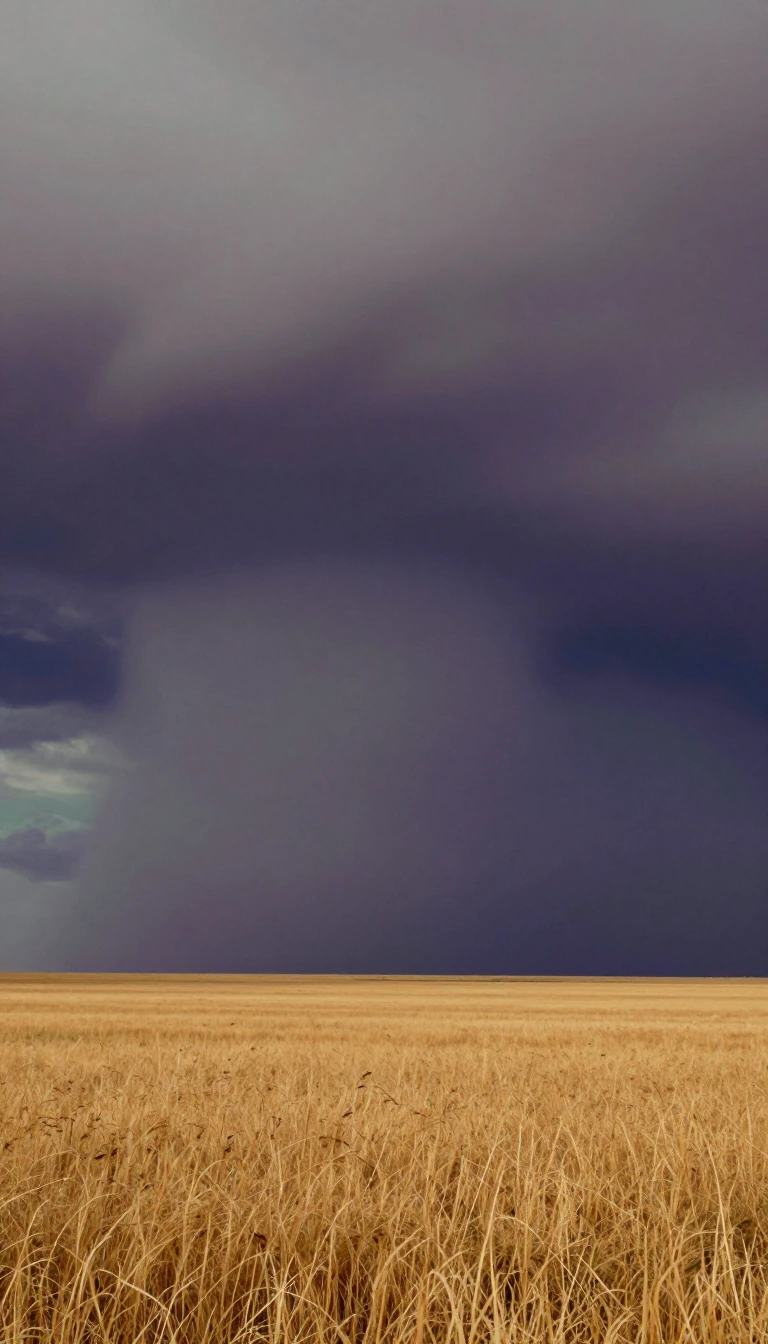
In short: A gustnado looks like a tornado, but it is a meteorological imposter. Born from the turbulent outflow of a thunderstorm rather than its updraft, these shallow vortices rarely connect to the clouds above. While they can pack a punch, they are fundamentally different in origin, structure, and longevity.
The term gustnado is a portmanteau of gust front and tornado, yet meteorologists generally do not classify them as true tornadoes. While a classic tornado is tied to the mesocyclone within a storm's updraft, a gustnado forms along the gust front—the leading edge of a thunderstorm's downdraft. Because these eddies typically fail to connect the surface to the ambient cloud base, they lack the structural integrity of a true tornado. They are more accurately described as whirlwinds, drawing their spin from the horizontal wind shear present along the gust front.
These phenomena are transient, often lasting only a few seconds to a few minutes. Despite their brief lifespan, they can be surprisingly destructive. Most gustnadoes exhibit wind speeds comparable to an F0 or F1 tornado, reaching up to 180 km/h or 110 mph. For instance, a gustnado near Swan Quarter, North Carolina, on April 26, 2019, generated estimated winds of 130 km/h or 80 mph, causing localized building damage. However, because they are small and difficult to detect with radar, they are often excluded from official tornado statistics.
The precise dynamical origins of the vertical vorticity required for a gustnado remain a subject of study. Researchers suggest that shear instability along the gust front is a primary driver, particularly in the rear-flank gust fronts of supercell storms. In these environments, vertical vorticity likely arises from the tilting of horizontal vorticity into the vertical, a process influenced by baroclinity within descending air. While they are sometimes confused with other wind events—such as the 2011 Indiana State Fair stage collapse, which was ultimately attributed to structural failure rather than a gustnado—their ability to loft debris makes them a genuine hazard for drivers and structures alike.
Opens the Intellect+ feed with this card first. Swipe up for the next one.
Sources
- Summary by Intellect · source: Gustnado
- Also: Gustnado | meteorology | Britannica
To cite this card, link to https://intellectplus.co.uk/app/nature-gustnado.
How we source, check and correct cards: Editorial standards.
General information, not professional advice. Spotted an error? Flag the card or see corrections and complaints.
Intellect Plus is a visual educational discovery platform for exploring fascinating facts and ideas. Brain Food, Not Brain Rot. What is Intellect Plus?
Related
More in Air · More in Nature · Latest · A–Z · All topics
