The Harmattan: Why West Africa’s invigorating 'doctor wind' is a double-edged sword
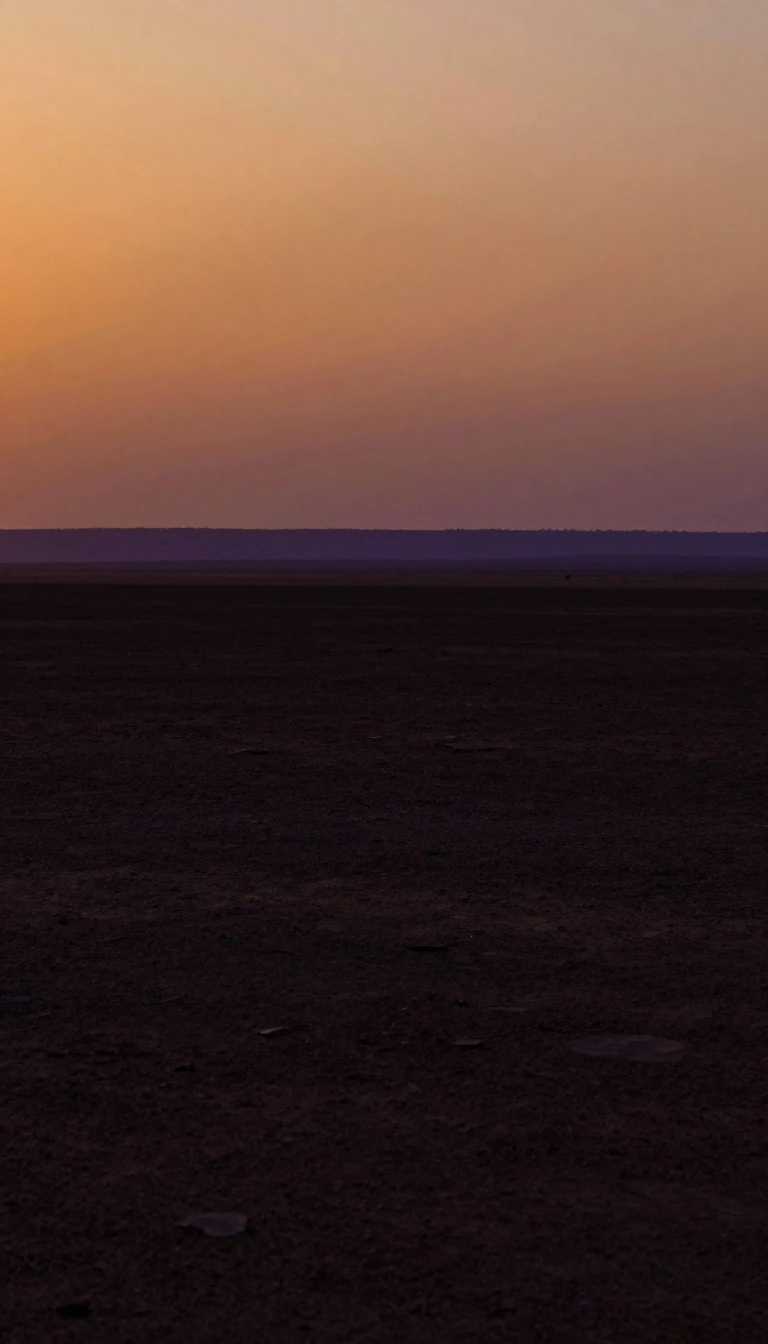
In short: Spanning from late November to mid-March, the Harmattan brings a dry, dust-laden northeasterly wind from the Sahara across West Africa. While its low humidity offers a refreshing break from tropical heat, earning it the nickname doctor wind, this seasonal phenomenon also triggers severe health risks, agricultural damage, and aviation disruptions.
The Harmattan is defined by the movement of the subtropical high-pressure ridge over the central Sahara and the positioning of the Intertropical Convergence Zone over the Gulf of Guinea. As this wind travels, it gathers fine dust and sand particles ranging from 0.5 to 10 micrometres in size. This process creates a distinct environment characterized by wide temperature swings, where morning lows can hit 9 °C while afternoon highs soar to 35 °C, often accompanied by relative humidity levels dropping below 5%.
Beyond the temperature shifts, the wind acts as a powerful desiccating force. It dissipates cloud cover and prevents rainfall, effectively creating desert-like conditions across the region. This extreme dryness can cause skin, eyes, and respiratory systems to suffer, with humidity levels below 15% frequently leading to nosebleeds and aggravated asthma. The environmental impact is equally severe; the wind increases fire risks, damages crops, and can even cause tree branches to wither. In some instances, the interaction between the Harmattan and monsoon winds is potent enough to generate tornadoes.
The most visible manifestation of this season is the Harmattan haze, a dense concentration of dust that mimics heavy fog. This haze can block the sun for days, severely limiting visibility and costing the aviation industry millions of dollars annually due to flight cancellations and diversions. Recent research from 2024 highlights the gravity of these conditions, indicating that the dust carried by the wind is linked to increased infant and child mortality, alongside persistent adverse health effects for those who survive. While the wind is named for the Twi word haramata, its influence on West African life is far more complex than its origins suggest, balancing a reputation for invigorating relief against significant, documented human and economic costs.
Opens the Intellect+ feed with this card first. Swipe up for the next one.
Sources
- Summary by Intellect · source: Harmattan
To cite this card, link to https://intellectplus.co.uk/app/nature-harmattan.
How we source, check and correct cards: Editorial standards.
General information, not professional advice. Spotted an error? Flag the card or see corrections and complaints.
Intellect Plus is a visual educational discovery platform for exploring fascinating facts and ideas. Brain Food, Not Brain Rot. What is Intellect Plus?
Related
More in Air · More in Nature · Latest · A–Z · All topics
