How a former resort and military base became the world's fourth-busiest airport
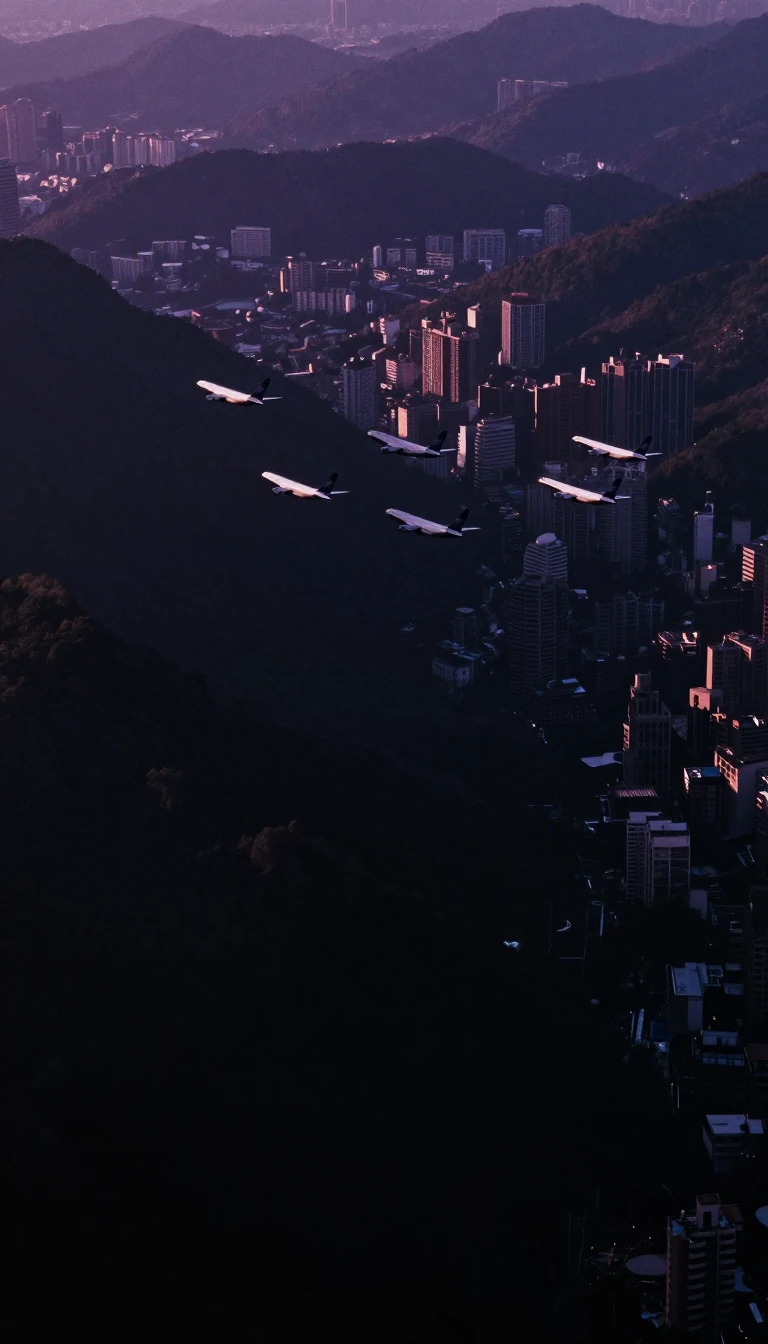
In short: Haneda Airport began as a small patch of reclaimed land for a local shrine, later serving as a military hub during World War II. Today, it stands as a global aviation powerhouse, balancing massive domestic traffic with a growing international role, all while navigating complex airspace constraints over Tokyo Bay.
Haneda Airport, officially Tokyo International Airport, has undergone a radical transformation since its 1931 opening on a small piece of reclaimed land. Originally a prosperous resort area centered around the Anamori Inari Shrine, the site was repurposed for aviation, eventually becoming a critical military facility during World War II. Following the war, General Douglas MacArthur ordered the eviction of over 3,000 residents to expand the runways for occupation forces, cementing its role as a key military air base until the property was returned to the Japanese government in 1958.
The airport's modern identity is defined by its strategic location and operational complexity. Because it is surrounded by dense urban areas and other military bases, most flights must follow circular routes over Tokyo Bay to manage noise and safety. This unique geography dictates flight patterns: during north wind operations, which occur 60% of the time, aircraft arrive and depart over the water. During south wind conditions, arrivals are restricted to specific high-angle approaches over Tokyo to avoid overflying central city districts.
Today, Haneda serves as the 'Hub of Japan,' facilitating connections between international and domestic flights, while Narita International Airport is positioned as the 'Hub of Asia.' This division is part of a broader government strategy to optimize Tokyo's dual-airport system. Despite its success—handling over 87 million passengers in 2018—the airport remains subject to strict slot limitations. Each domestic slot is highly valued, estimated at 2 to 3 billion yen in annual income, reflecting the intense demand for access to this central Tokyo gateway.
Opens the Intellect+ feed with this card first. Swipe up for the next one.
Sources
- Summary by Intellect · source: Haneda Airport
To cite this card, link to https://intellectplus.co.uk/app/nature-haneda-airport.
How we source, check and correct cards: Editorial standards.
General information, not professional advice. Spotted an error? Flag the card or see corrections and complaints.
Intellect Plus is a visual educational discovery platform for exploring fascinating facts and ideas. Brain Food, Not Brain Rot. What is Intellect Plus?
Related
More in Physical geography · More in Nature · Latest · A–Z · All topics
