The Ifugao rice terraces were not ancient wonders but a response to colonial pressure.
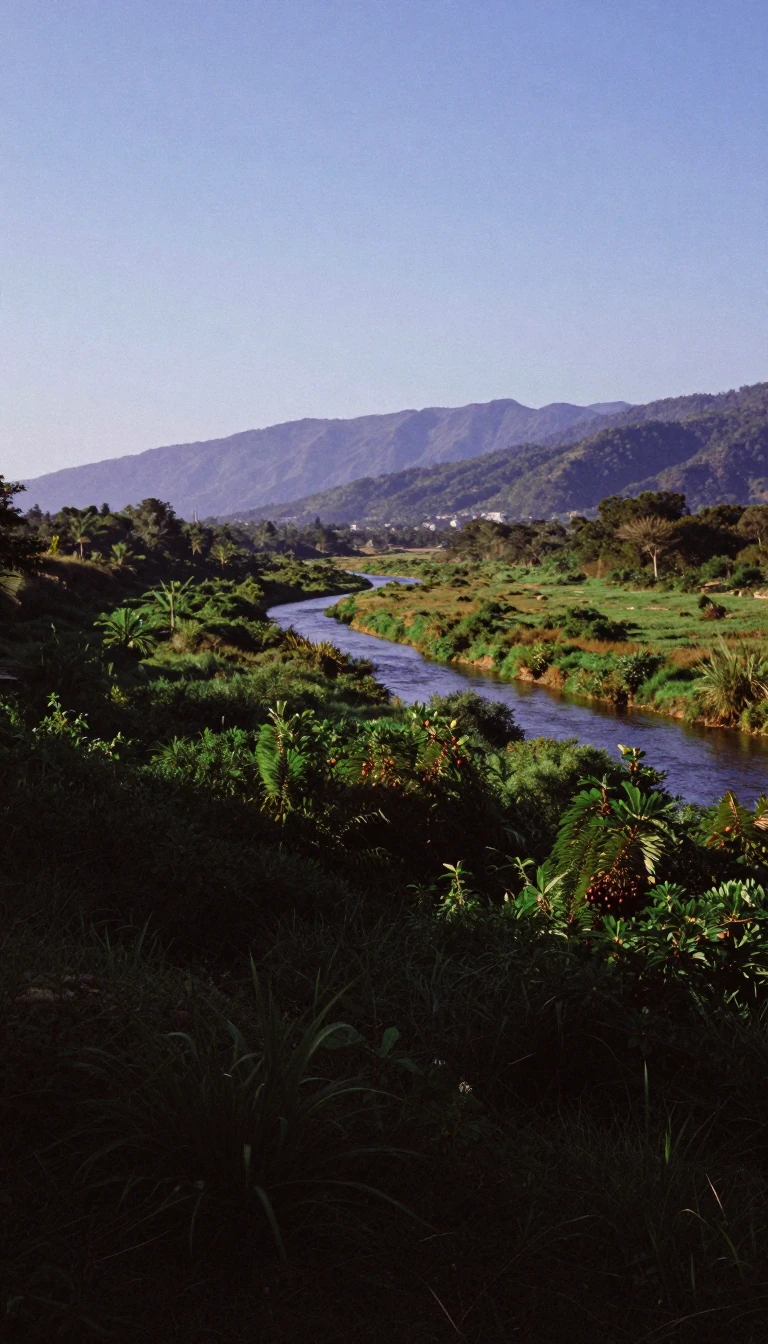
In short: Long believed to be 2,000-year-old relics, the iconic Ifugao rice terraces were actually a strategic adaptation. By shifting from taro to labor-intensive wet-rice agriculture, the Ifugao consolidated political power and built a resilient society capable of resisting Spanish colonization for centuries while maintaining their unique cultural identity.
The Ifugao people, inhabiting the rugged Cordillera Central of the Philippines, have long been defined by their mastery of the landscape. While popular lore often dates their famous stone-walled terraces to two millennia ago, archaeological research suggests a more recent origin. As the Spanish pushed into the Magat Valley between 1600 CE and 1700 CE, they drove local populations into the interior highlands. This forced migration acted as a catalyst for profound socio-political change. To survive and resist colonial encroachment, the Ifugao transformed their subsistence practices, shifting from taro cultivation to the intensive wet-rice agriculture that defines the region today.
This transition was not merely agricultural; it was a sophisticated political strategy. Wet-rice farming required extensive communal labor and organization, which allowed the Ifugao to strengthen their internal structures. By controlling these resources, elites could sponsor elaborate ritual feasts—often involving the sacrifice of domesticated pigs—to reinforce social status and community solidarity. Archaeological evidence from the Old Kiyyangan Village, which dates back to between 750 and 810 Before Present, confirms this period of political elaboration. The terraces became more than just food sources; they were ritual spaces that anchored the Ifugao identity against external threats.
The Ifugao’s resistance was remarkably successful, lasting until the end of the Spanish colonial period. Their ability to maintain autonomy in the face of a powerful empire was rooted in their capacity to mobilize economic and political resources. Today, this legacy is recognized globally, with the Rice Terraces of the Philippine Cordilleras inscribed as a UNESCO World Heritage Site in 1995. Furthermore, their intangible heritage, including the Hudhud chants and the Punnuk tugging rituals, remains a testament to a culture that turned environmental challenges into a foundation for enduring survival and prestige.
Opens the Intellect+ feed with this card first. Swipe up for the next one.
Sources
- Summary by Intellect · source: Ifugao
To cite this card, link to https://intellectplus.co.uk/app/nature-ifugao.
How we source, check and correct cards: Editorial standards.
General information, not professional advice. Spotted an error? Flag the card or see corrections and complaints.
Intellect Plus is a visual educational discovery platform for exploring fascinating facts and ideas. Brain Food, Not Brain Rot. What is Intellect Plus?
Related
More in Air · More in Nature · Latest · A–Z · All topics
