Why do we call unseasonably warm autumn days an Indian summer?
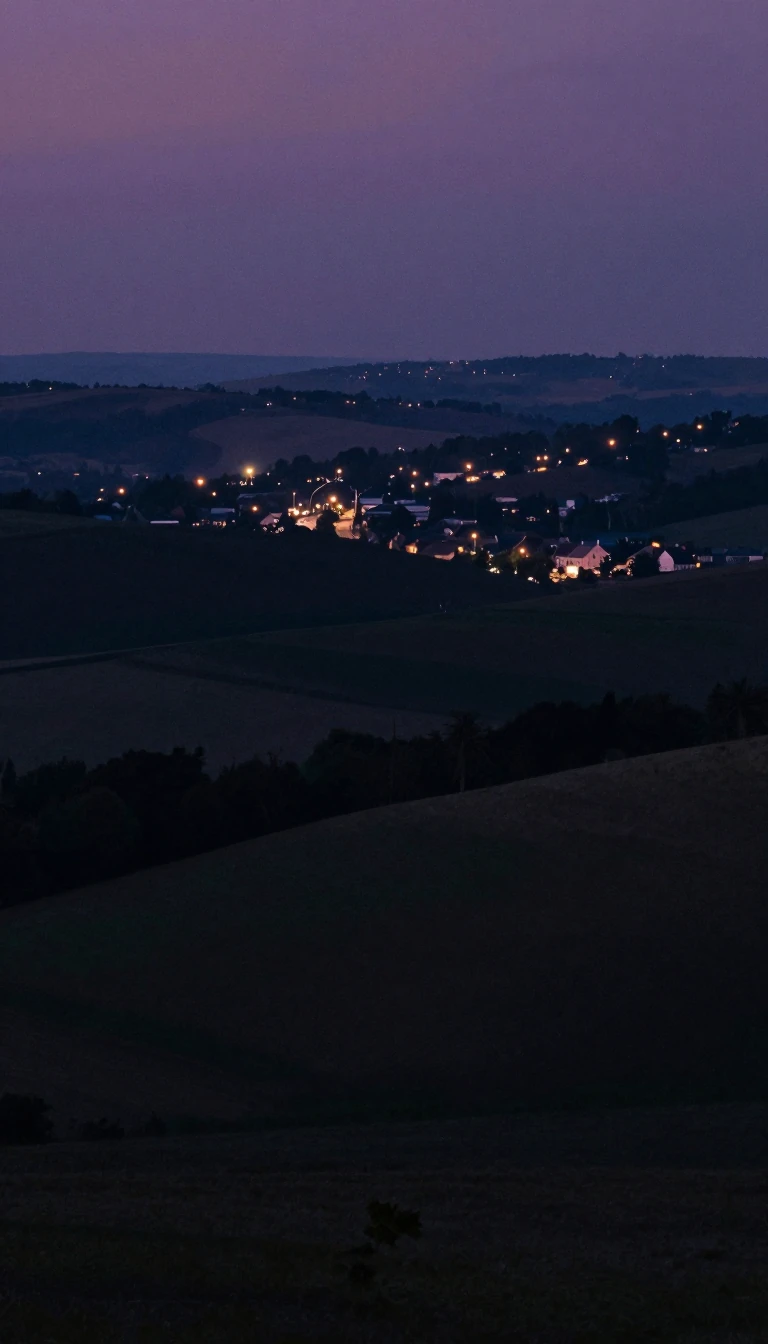
In short: The term Indian summer describes a period of dry, hazy, and mild weather occurring after the first frost. While the exact origin remains debated, the phrase has evolved from a specific North American observation into a global cultural metaphor for fleeting, robust strength or a final recovery of youth.
The meteorological phenomenon of Indian summer is defined by unseasonably warm, quiet, and hazy conditions appearing in October or November. Scientifically, this occurs in the United States when a shallow polar air mass stagnates, transforming into a deep, warm high-pressure center. This creates a strong temperature inversion that traps smoke and dust near the ground, resulting in the characteristic haziness. Because vertical air movement is inhibited by this stable stratification, the weather remains calm and dry, often persisting for a week or longer.
The etymology of the term is uncertain, though the earliest known usage in its current sense appears in an essay by J. Hector St. John de Crèvecœur, written around 1778. Some theories suggest the name reflects the period when Native Americans hunted or gathered winter stores, while others link it to the smoky atmosphere caused by prairie fires. By the 19th century, the phrase had gained traction in literature, appearing in works by John James Audubon in 1820 and later becoming a common metaphor for an era of depleted capabilities or a late-life return to happiness.
Across the globe, similar autumnal warm spells are known by diverse names rooted in local folklore and religious calendars. In Europe, these periods were historically associated with feast days, such as Saint Martin’s summer or Saint Michael’s summer. Slavic countries often refer to the phenomenon as old women’s summer, while in Turkey, it is called pastrami summer, marking the ideal time for meat preparation. In South America, the occurrence of these warm intervals, known as Veranico, is directly linked to the influence of El Niño, demonstrating how this atmospheric event is perceived through different cultural lenses.
Opens the Intellect+ feed with this card first. Swipe up for the next one.
Sources
- Summary by Intellect · source: Indian summer
- Also: Indian summer | Warm Weather, Climate & Seasons | Britannica
To cite this card, link to https://intellectplus.co.uk/app/nature-indian-summer.
How we source, check and correct cards: Editorial standards.
General information, not professional advice. Spotted an error? Flag the card or see corrections and complaints.
Intellect Plus is a visual educational discovery platform for exploring fascinating facts and ideas. Brain Food, Not Brain Rot. What is Intellect Plus?
Related
More in Air · More in Nature · Latest · A–Z · All topics
