Is the humble kipper a culinary accident or a deliberate preservation masterpiece?
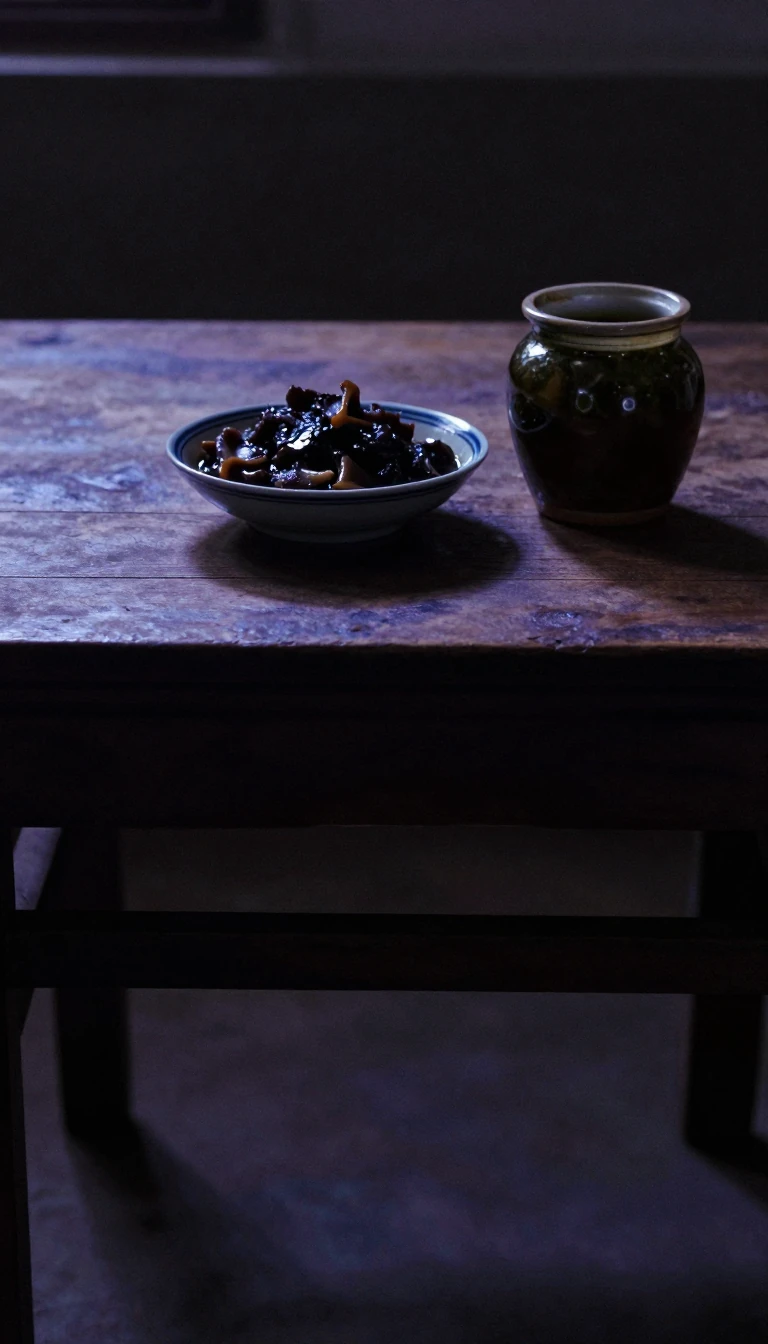
In short: A kipper is a whole herring, split butterfly-style and cold-smoked over smouldering wood chips. While often associated with traditional British breakfasts, this oily fish has a history steeped in folklore, accidental inventions, and even wartime industrial shortcuts that permanently changed how we perceive this classic, pungent, and deeply preserved delicacy.
The origins of the kipper are as smoky as the process itself. While the exact invention is unknown, legends frequently attribute the dish to happy accidents where peasants hung fish too close to a fire. Historical accounts, such as those by Thomas Nashe in 1599, suggest a fisherman in the Great Yarmouth area stumbled upon the technique. Another popular narrative points to 1843, when John Woodger of Seahouses in Northumberland allegedly left fish overnight in a room with a smoking stove. Regardless of these myths, the process of splitting, gutting, and curing fish is a well-documented method for preserving surplus catches.
The term 'kipper' likely stems from the Old English 'cypera,' referring to the fish's copper hue, though other theories link it to the beak male salmon develop during spawning or the Germanic 'kippen,' meaning to tilt. By the First World War, the industry introduced an economy measure: dyeing the fish. Originally using a coal tar dye called Brown FK, producers could bypass long smoking times to increase profits. Today, natural annatto dye is typically used to achieve that signature orange color, though traditional producers in the Isle of Man and Scotland eschew dyes entirely, relying on extended smoking times instead.
Beyond the plate, the kipper has embedded itself into culture and language. The idiom 'stitched up like a kipper' describes being framed or cheated, while 'The Flying Kipper' became a famous fast train in children's literature. Even the term 'red herring' is sometimes used interchangeably with the kipper, provided the curing is sufficiently intense. From the bustling herring ports of Mallaig to the specialized smokehouses of Craster, the kipper remains a testament to human ingenuity in food preservation, transforming a simple, abundant oily fish into a global culinary staple.
Opens the Intellect+ feed with this card first. Swipe up for the next one.
Sources
- Summary by Intellect · source: Kipper
To cite this card, link to https://intellectplus.co.uk/app/nature-kipper.
How we source, check and correct cards: Editorial standards.
General information, not professional advice. Spotted an error? Flag the card or see corrections and complaints.
Intellect Plus is a visual educational discovery platform for exploring fascinating facts and ideas. Brain Food, Not Brain Rot. What is Intellect Plus?
Related
More in Organisms · More in Nature · Latest · A–Z · All topics
