Why some animals choose to steal their dinner instead of hunting for it
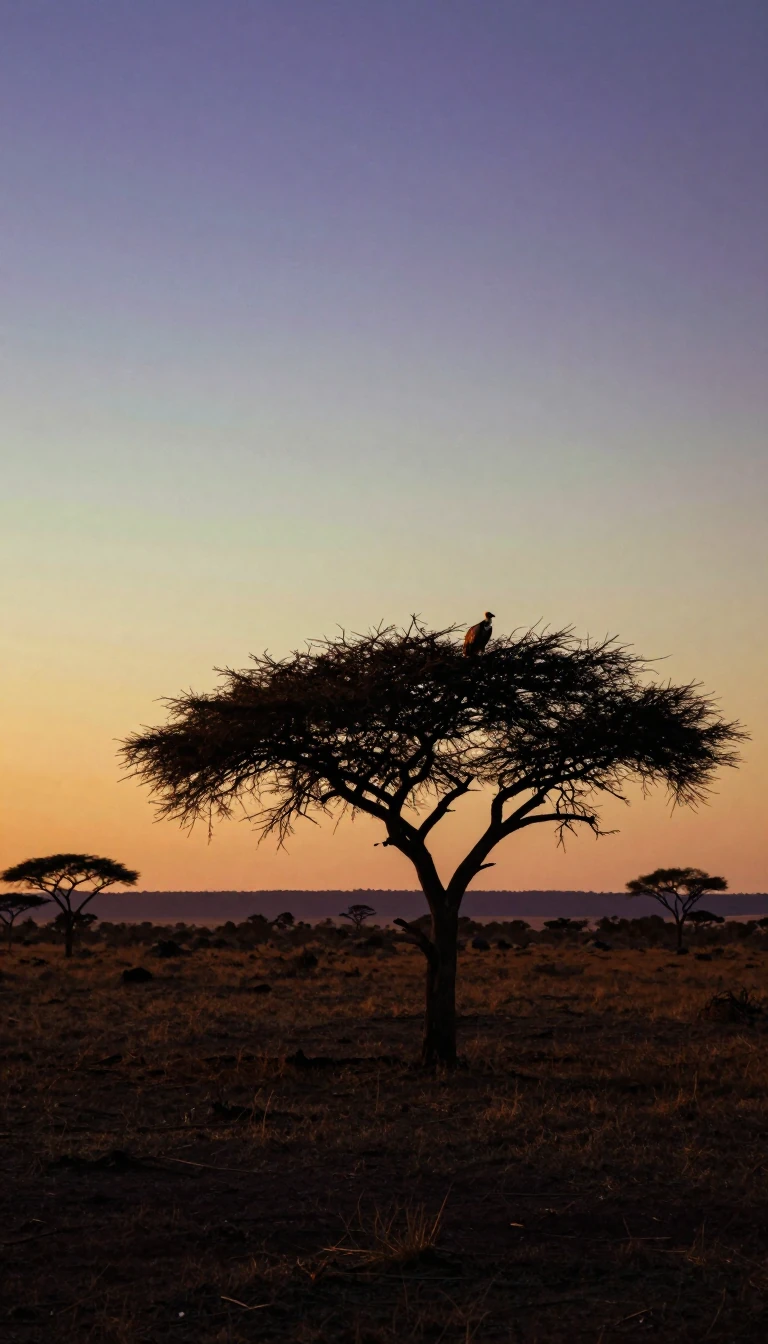
In short: In the wild, theft is often a calculated survival strategy rather than a moral failing. When food is scarce or prey is difficult to catch, many species turn to kleptoparasitism—the act of forcibly seizing meals from others. It is a high-stakes gamble that pays off when energy conservation is paramount.
Kleptoparasitism is a feeding behavior where one animal deliberately takes food from another, either through aggressive confrontation or opportunistic theft. This strategy is evolutionarily stable, meaning it provides a clear selective advantage under specific environmental conditions. Mathematical models indicate that when food is abundant, direct foraging is the most efficient approach. However, when resources drop below a critical threshold, the energy cost of hunting becomes prohibitive, and stealing becomes the superior survival tactic.
The phenomenon is widespread across the animal kingdom. Among insects, cuckoo bees and cuckoo wasps illustrate Emery’s rule, which suggests that social parasites frequently share close evolutionary ties with their hosts. In the avian world, seabirds like frigatebirds and skuas are notorious for harassing others until they disgorge their catch. This behavior is not limited to birds; hypercarnivorous mammals such as lions and spotted hyenas frequently rob each other of kills, while Risso's dolphins have been observed harassing sperm whales to trigger regurgitation.
The strategy is highly frequency-dependent. If potential victims are rare or widely dispersed, the time and energy spent searching for a target may outweigh the caloric benefit of the stolen meal. Consequently, many species, including gulls, bears, and even certain spiders, act as opportunistic kleptoparasites, switching between hunting and stealing depending on the immediate availability of food. Whether it is a water cricket stealing prey from its own kind or a gull snatching a meal from a pelican, the behavior highlights a universal biological imperative: securing calories with the least possible expenditure of energy.
Opens the Intellect+ feed with this card first. Swipe up for the next one.
Sources
- Summary by Intellect · source: Kleptoparasitism
To cite this card, link to https://intellectplus.co.uk/app/nature-kleptoparasitism.
How we source, check and correct cards: Editorial standards.
General information, not professional advice. Spotted an error? Flag the card or see corrections and complaints.
Intellect Plus is a visual educational discovery platform for exploring fascinating facts and ideas. Brain Food, Not Brain Rot. What is Intellect Plus?
Related
More in Organisms · More in Nature · Latest · A–Z · All topics
