The Kodiak bear is a giant of the north, isolated for over 10,000 years.
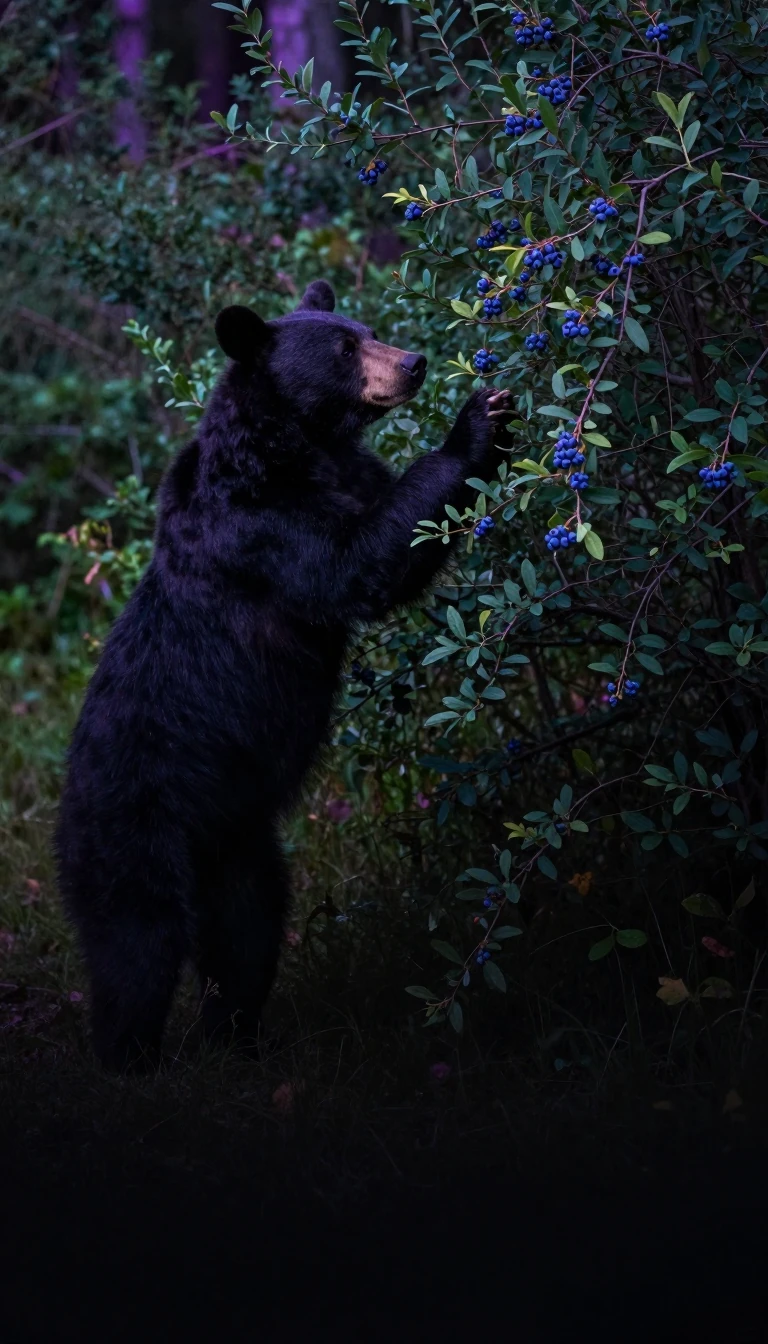
In short: Inhabiting the islands of the Kodiak Archipelago, these massive brown bears are among the largest terrestrial carnivores on Earth. While they share a lineage with mainland grizzlies, their long-term isolation has created a unique population that thrives in a subpolar climate, often reaching weights that rival the mighty polar bear.
The Kodiak bear, scientifically classified as Ursus arctos middendorffi, represents a distinct population of brown bear that has remained genetically isolated from its mainland cousins for at least 10,000 to 12,000 years. This separation, occurring since the last ice age, has resulted in limited genetic diversity. While the current population remains healthy and productive, experts suggest this lack of variation might leave them more vulnerable to emerging diseases or parasites compared to more diverse brown bear groups.
These bears are famous for island gigantism, with individuals frequently growing to double the size of typical mainland grizzlies. Mature males often weigh between 477 and 534 kilograms throughout the year, though they can reach up to 680 kilograms during peak autumn months. Their physical stature is equally impressive, with large males standing up to 1.5 meters at the shoulder on all fours and reaching 3 meters when fully upright. Despite their intimidating size, they are generally solitary and attempt to avoid human contact.
Management of the population is a complex balance between conservation and human activity. The Alaska Department of Fish and Game oversees hunting through a strictly regulated permit system, with roughly 4,500 applicants vying for 496 available permits annually. Habitat protection has also evolved significantly, particularly following the 1989 Exxon Valdez oil spill, which paradoxically funneled settlement funds into land acquisitions that restored over 80% of refuge lands previously lost to development. Today, the Kodiak Archipelago Bear Conservation and Management Plan relies on consensus from diverse stakeholders to ensure these bears continue to thrive in their rugged, subpolar home.
Opens the Intellect+ feed with this card first. Swipe up for the next one.
Sources
- Summary by Intellect · source: Kodiak bear
To cite this card, link to https://intellectplus.co.uk/app/nature-kodiak-bear.
How we source, check and correct cards: Editorial standards.
General information, not professional advice. Spotted an error? Flag the card or see corrections and complaints.
Intellect Plus is a visual educational discovery platform for exploring fascinating facts and ideas. Brain Food, Not Brain Rot. What is Intellect Plus?
Related
More in Organisms · More in Nature · Latest · A–Z · All topics
