A beautiful ornamental garden plant that became one of the world's worst invasive weeds.
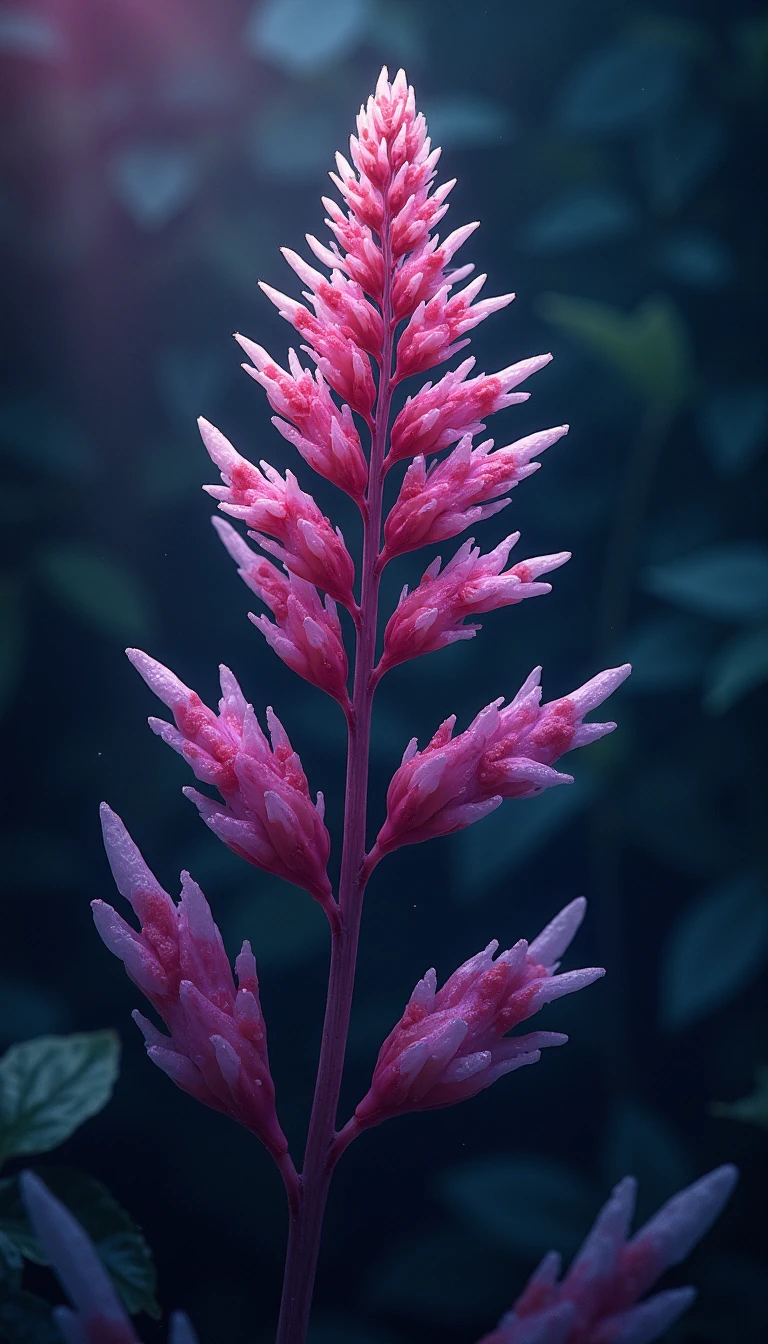
In short: Once prized by 17th-century gardeners for its vibrant, multi-colored flowers, Lantana camara has escaped cultivation to conquer tropical and subtropical ecosystems worldwide. This hardy, toxic shrub now chokes out native biodiversity, alters fire patterns, and thrives in the wake of human-driven habitat destruction, proving nearly impossible to eradicate.
Native to the American tropics, Lantana camara is a perennial shrub that has successfully naturalized in approximately 60 countries. Its global spread began with Dutch explorers who introduced it to Europe, followed by widespread distribution as an ornamental plant. By 1841, it had reached Australia, where it escaped domestic gardens within two decades. Today, it is listed among the IUCN's 100 worst invasive species, with recent monitoring in 2023 revealing that it has invaded roughly 50% of India's natural areas.
The plant's success as an invader is driven by a suite of biological advantages. Each individual can produce up to 12,000 fruits annually, which are dispersed over long distances by birds and other animals. It is highly adaptable, tolerating drought, heat, and salt, and it possesses a unique chemical toxicity that deters herbivores and inhibits the growth of competing plants. Furthermore, its preference for disturbed habitats—such as logged forests or areas cleared for agriculture—means that human activity often inadvertently clears the path for its expansion.
Beyond displacing native flora, the shrub poses significant ecological and economic threats. It forms dense, impenetrable thickets that suppress pasture grasses and crops, reducing farmland productivity. In some regions, these thickets provide shelter for disease-carrying insects like malaria-transmitting mosquitoes and tsetse flies. It also alters fire regimes by increasing fuel loads, which can lead to more destructive, canopy-reaching fires. Despite being the first weed ever subjected to biological control, 36 different agents deployed across 33 regions have failed to curb its spread, highlighting the difficulty of managing such a resilient species.
Opens the Intellect+ feed with this card first. Swipe up for the next one.
Sources
- Summary by Intellect · source: Lantana camara
- Also: iNaturalist — common lantana (Lantana camara) · CC BY-SA 4.0 (Wikipedia summary)
To cite this card, link to https://intellectplus.co.uk/app/nature-lantana-camara.
How we source, check and correct cards: Editorial standards.
General information, not professional advice. Spotted an error? Flag the card or see corrections and complaints.
Intellect Plus is a visual educational discovery platform for exploring fascinating facts and ideas. Brain Food, Not Brain Rot. What is Intellect Plus?
Related
More in Ecology · More in Nature · Latest · A–Z · All topics
