The common reed is a global survivor, a culinary staple, and a fierce invader.
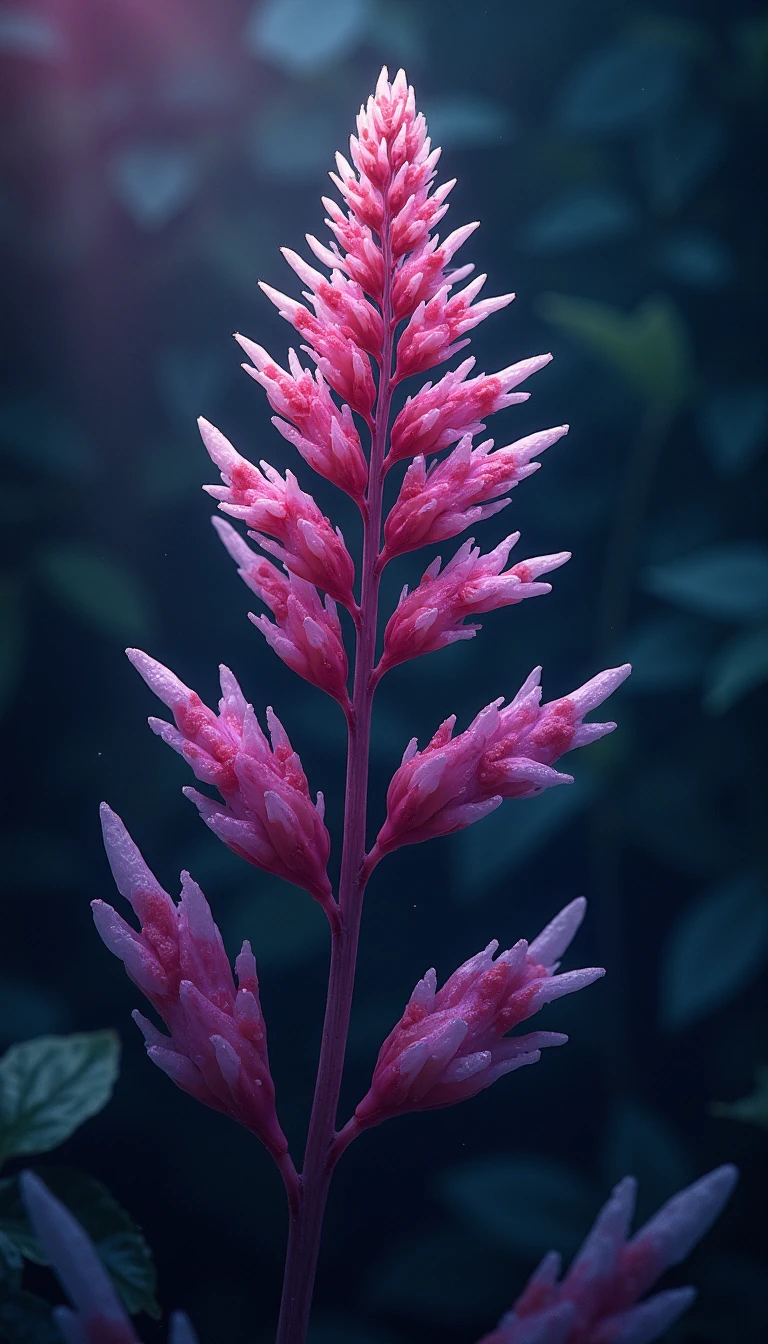
In short: Phragmites australis is a botanical paradox. It is a vital keystone species that supports rare birds and filters wastewater, yet its invasive European subspecies is a ruthless monoculture builder that chokes out native plants. From edible shoots to traditional roofing, this grass is as useful as it is aggressive.
The common reed, Phragmites australis, is a cosmopolitan wetland grass capable of reaching heights of six meters. It thrives in diverse environments, from damp soil to standing water one meter deep. Its ability to spread via horizontal runners at a rate of five meters per year allows it to form massive, dense reed beds, such as the 1,700-square-kilometer expanse in the Danube Delta.
While the plant is a critical habitat for species like the Eurasian bittern, the introduction of the European subspecies australis to North America has caused significant ecological disruption. This invasive variant outcompetes the native subspecies americanus by forming thickets that block sunlight and releasing toxins like gallic acid, which degrades into harmful mesoxalic acid. This rapid expansion creates monocultures that displace native flora, including orchids and wild rice.
Control efforts are notoriously difficult due to the plant's deep, resilient root systems. A single burn is insufficient; eradication often requires multiple burns over several seasons. Emerging research suggests that controlled grazing by goats may offer a more effective management strategy. Meanwhile, in regions like Louisiana, the reed is paradoxically valued for stabilizing shorelines, where its decline is linked to accelerated coastal erosion.
Beyond its ecological impact, the common reed is remarkably versatile. It serves as a primary material for traditional roof thatching and is widely used in phytoremediation to filter wastewater. It is also a source of biomass and can be processed into eco-friendly drinking straws. Historically, various parts of the plant have been consumed, from young shoots and hardened sap to ground seeds and roots.
Opens the Intellect+ feed with this card first. Swipe up for the next one.
Sources
- Summary by Intellect · source: Phragmites australis
To cite this card, link to https://intellectplus.co.uk/app/gardening-phragmites-australis.
How we source, check and correct cards: Editorial standards.
General information, not professional advice. Spotted an error? Flag the card or see corrections and complaints.
Intellect Plus is a visual educational discovery platform for exploring fascinating facts and ideas. Brain Food, Not Brain Rot. What is Intellect Plus?
Related
More in Plants · More in Gardening · Latest · A–Z · All topics
