The leopard cat was likely the first feline species domesticated by humans in China
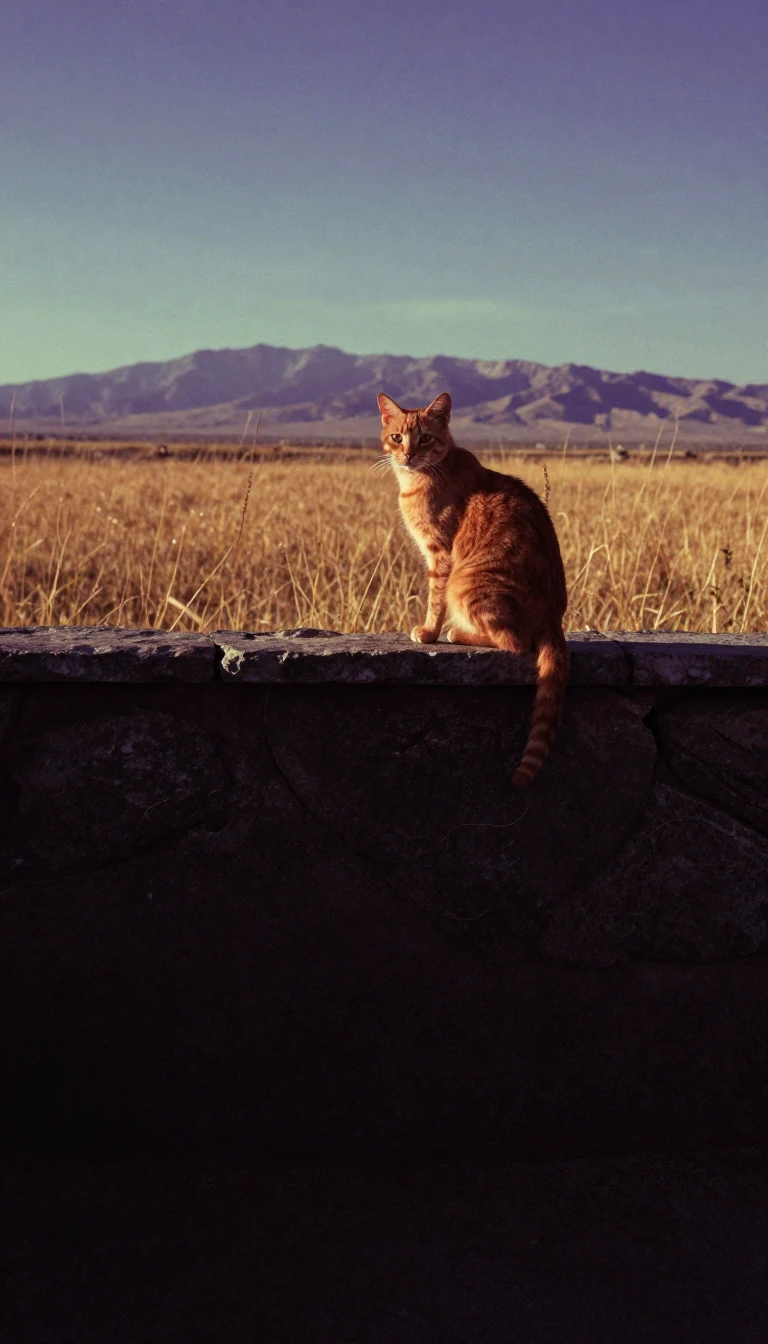
In short: While we often associate cat domestication with ancient Egypt, archaeological evidence suggests the leopard cat was kept by humans in Neolithic China 5,000 years ago. This small, spotted predator is a master of adaptation, thriving from tropical rainforests to the high-altitude slopes of the Himalayas.
The leopard cat, Prionailurus bengalensis, is a remarkably diverse species. Ranging from the Russian Far East to Pakistan, these cats exhibit significant variations in size, fur color, and markings based on their environment. Northern populations, such as those in Siberia, can weigh up to 7.1 kg and grow to 75 cm in length, while tropical counterparts are often much smaller, weighing as little as 0.55 kg. This extreme morphological variety led early naturalists to describe over 20 different specimens as distinct species throughout the 19th and early 20th centuries.
Modern taxonomy has refined our understanding of these cats. Following a 2017 revision, the leopard cat is now split into two distinct species: the mainland leopard cat (P. bengalensis) and the Sunda leopard cat (P. javanensis), which inhabits islands like Java, Borneo, and Sumatra. Genetic analysis has further clarified their evolutionary history, placing the leopard cat within a lineage that diverged from a common ancestor millions of years ago. Despite their wild nature, they are highly adaptable, frequently occupying human-modified landscapes like oil palm plantations.
The relationship between humans and leopard cats is ancient. Archaeological findings in Shaanxi and Henan Provinces indicate that these animals were living alongside humans in Neolithic China around 5,000 years ago. Today, they remain the most widely distributed small wild cat in Asia. While they are currently listed as Least Concern by the IUCN, they face ongoing pressures from habitat loss and hunting. Whether stalking prey in the dense undergrowth or resting in trees, these agile climbers continue to persist across a vast and varied geographic range.
Opens the Intellect+ feed with this card first. Swipe up for the next one.
Sources
- Summary by Intellect · source: Leopard cat
- Also: Mainland Leopard Cat (Prionailurus bengalensis)
- Also: iNaturalist — Sunda Leopard Cat (Prionailurus javanensis) · CC BY-SA 4.0 (Wikipedia summary)
To cite this card, link to https://intellectplus.co.uk/app/nature-leopard-cat.
How we source, check and correct cards: Editorial standards.
General information, not professional advice. Spotted an error? Flag the card or see corrections and complaints.
Intellect Plus is a visual educational discovery platform for exploring fascinating facts and ideas. Brain Food, Not Brain Rot. What is Intellect Plus?
Related
More in Organisms · More in Nature · Latest · A–Z · All topics
