Lhasa, the sunlit city, sits at 3,656 metres as a high-altitude religious capital.
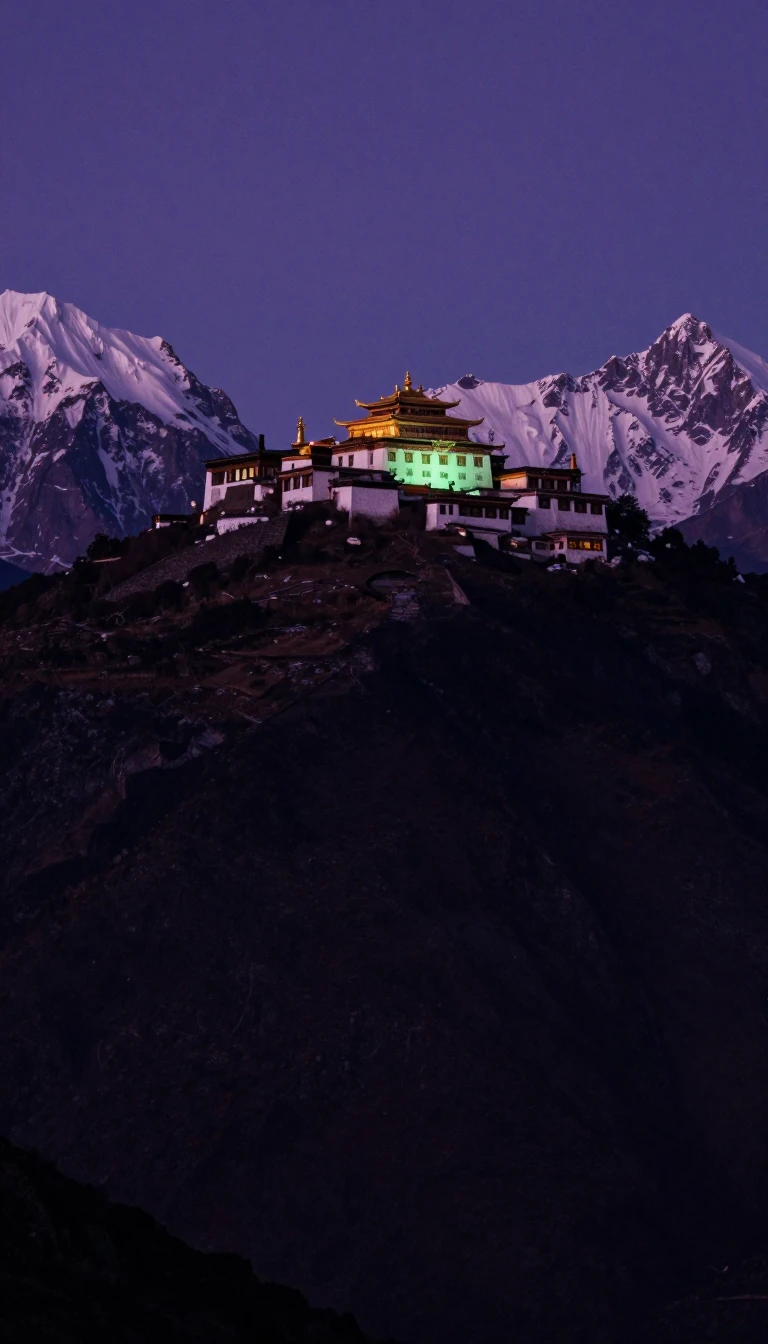
In short: Known as the place of gods, Lhasa is one of the world's highest cities. Nestled in the Tibetan Plateau, this historic center of Buddhism has evolved from a 7th-century royal seat into a modern urban hub, balancing ancient spiritual heritage with the complexities of rapid development and high-altitude life.
Lhasa’s history is defined by its religious and political significance. Originally a herding site called Rasa, it became the capital of the Tibetan Empire under Songtsen Gampo in the 7th century. The city’s identity was cemented by the construction of the Jokhang Temple and the Potala Palace, the latter of which served as the winter residence for the Dalai Lamas starting in the mid-17th century. The 5th Dalai Lama, Lobsang Gyatso, unified the region in 1642, establishing a civil administration known as the Lhasa state.
The city's environment is as extreme as its history is deep. Situated at an elevation of about 3,656 metres, the air contains only 68 percent of the oxygen found at sea level. Despite this, the valley location provides a unique microclimate, protecting the city from the most intense winds and temperatures. With nearly 3,000 hours of annual sunshine, it is frequently called the sunlit city. This high-altitude landscape is also home to specialized wildlife, such as the endemic Anan's rock agama and the snow lizard.
Modern Lhasa faces the challenge of preserving its traditional cityscape while managing growth. Since the establishment of the Tibet Autonomous Region in 1965, the city has expanded significantly, with new infrastructure and a population that reached 876,400 by the end of 2024. While tourism and service industries now drive the economy, UNESCO has raised concerns regarding the deterioration of historical sites. Efforts to balance ecological health with economic development continue, as the city transitions away from older, polluting industries toward a more sustainable future.
The city remains a site of cultural synthesis. From the 18th-century Jesuit reports of a cosmopolitan trading hub to the contemporary presence of diverse ethnic groups, Lhasa has always been more than a monolith. Today, it serves as a nexus where ancient Tibetan traditions, such as the production of traditional rugs, meet modern industrial ventures like the world's highest commercial brewery.
Opens the Intellect+ feed with this card first. Swipe up for the next one.
Sources
- Summary by Intellect · source: Lhasa
- Also: Anan's Rock Agama (Laudakia sacra)
To cite this card, link to https://intellectplus.co.uk/app/nature-lhasa.
How we source, check and correct cards: Editorial standards.
General information, not professional advice. Spotted an error? Flag the card or see corrections and complaints.
Intellect Plus is a visual educational discovery platform for exploring fascinating facts and ideas. Brain Food, Not Brain Rot. What is Intellect Plus?
Related
More in Organisms · More in Nature · Latest · A–Z · All topics
