Liguria is a narrow, mountainous Italian strip where the sea meets the sky.
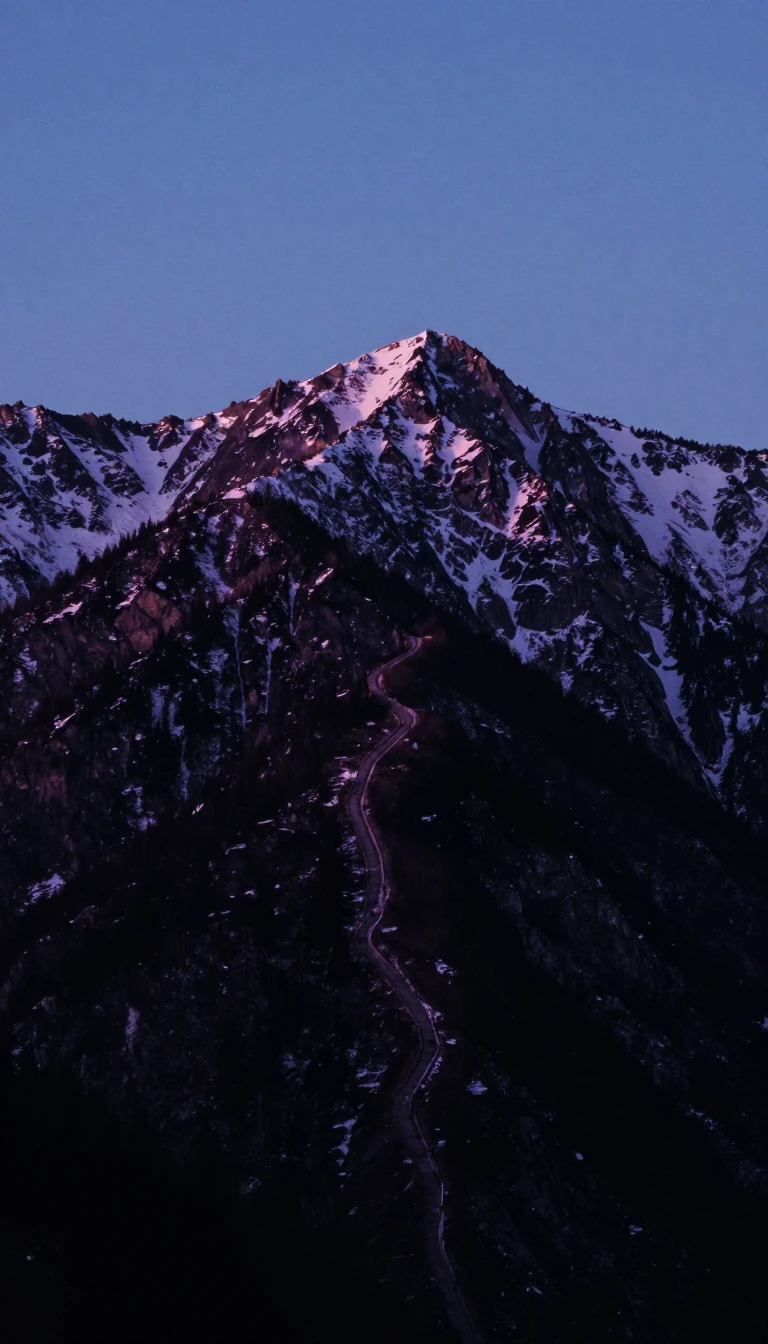
In short: Squeezed between the Alps, the Apennines, and the Ligurian Sea, this Italian region is a vertical landscape of steep slopes and coastal cities. While it holds the record for coastal overbuilding, its dramatic geography has shaped everything from ancient trade routes to a unique, mild Mediterranean climate.
Liguria is a slender, arched region in north-western Italy, defined by its extreme topography. Roughly 65% of its territory is mountainous, with the Alps and Apennines forming a discontinuous chain that rises to 2,201 meters at Monte Saccarello. This barrier creates a distinct orographic effect, where mountains standing close to the coast can trigger up to 2,000 mm of annual rainfall in cities like Genoa and La Spezia, despite the region's overall Mediterranean character.
The coastline, stretching about 350 kilometers, is characterized by a narrow, steep continental shelf that plunges quickly into the sea. Because of this, the region lacks deep natural bays, with the notable exceptions of Genoa and La Spezia. Historically, this geography forced human settlement into a dense, linear pattern; as early as 1436, the traveller Pedro Tafur noted that the stretch between Savona and Genoa appeared as one continuous, thickly populated city. Today, over 80% of the population remains concentrated along this coastal strip.
This density has led to significant environmental pressure. According to 2023 data from the Higher Institute for Environmental Protection and Research, Liguria shares the Italian record for coastal overbuilding. Despite this, the region maintains 600 square kilometers of protected land, including national reserves and parks. The climate remains a primary draw, with over 300 days of sunshine annually, supporting a long-standing tourist economy that relies on the region's scenic beauty, historic villas, and famous coastal resorts like the Cinque Terre.
The region's history is as layered as its landscape. From prehistoric nomadic hunters 300,000 years ago to the rise of the Republic of Genoa as a maritime power, Liguria has always been a crossroads. Its strategic position made it a target for various empires, yet its rugged terrain allowed for the survival of distinct local cultures and noble fiefs in the hinterland, even as the coastal cities evolved into major industrial and commercial hubs.
Opens the Intellect+ feed with this card first. Swipe up for the next one.
Sources
- Summary by Intellect · source: Liguria
To cite this card, link to https://intellectplus.co.uk/app/nature-liguria.
How we source, check and correct cards: Editorial standards.
General information, not professional advice. Spotted an error? Flag the card or see corrections and complaints.
Intellect Plus is a visual educational discovery platform for exploring fascinating facts and ideas. Brain Food, Not Brain Rot. What is Intellect Plus?
Related
More in Physical geography · More in Nature · Latest · A–Z · All topics
