The littoral zone is the world's most productive, yet most threatened, biological frontier.
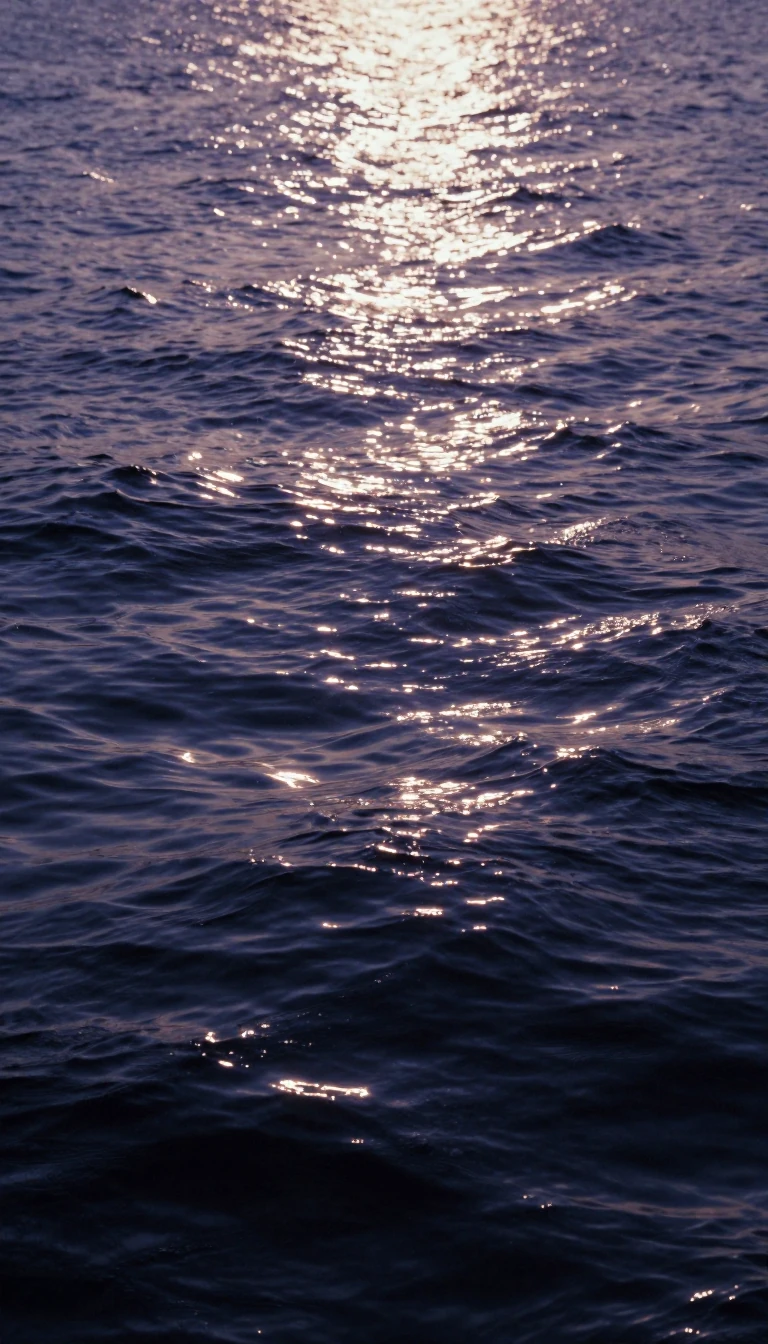
In short: Spanning the interface between land and water, the littoral zone is a powerhouse of biodiversity. While it covers only a fraction of Earth's lake areas, it supports the vast majority of their species. Yet, human development and water management practices are rapidly destabilizing these critical, high-energy ecosystems.
The littoral zone, derived from the Latin 'litus' for shore, defies a single, universal definition. In marine environments, it typically encompasses the area from the spray-drenched supralittoral zone above the high tide mark, through the intertidal eulittoral, and out to the edge of the continental shelf. In lakes, it is often defined by the depth to which sunlight penetrates, allowing for photosynthesis. Regardless of the specific boundary, these regions are characterized by high productivity, often rivaling tropical rainforests in their biological output.
These zones are structurally complex and rich in resources, making them essential for global biodiversity. In the world's largest lakes, more than 93% of species inhabit the nearshore littoral zone, with 72% restricted entirely to these habitats. The constant movement of water—driven by tides, waves, and currents—shapes the landscape into diverse forms like dunes, estuaries, and wetlands. This environment supports a vast array of life, from sedentary barnacles and mussels on rocky coasts to complex communities of macrophytes and insects in freshwater systems.
Despite their ecological importance, littoral zones are disproportionately vulnerable to human interference. Coastal settlement frequently destroys breeding grounds, while the construction of dams alters natural water level fluctuations, starving wetlands of the nutrients delivered by seasonal floods. Because these areas are often less studied than deeper, offshore waters, their degradation—driven by climate change, invasive species, and nutrient loading—often goes unnoticed. Protecting these zones is not merely a matter of conservation; it is vital for maintaining the health of the global aquatic ecosystems that rely on them for food, habitat, and carbon sequestration.
Opens the Intellect+ feed with this card first. Swipe up for the next one.
Sources
- Summary by Intellect · source: Littoral zone
- Also: www.britannica.com — Littoral zone | Coastal Ecosystems, Intertidal Zones & Marine Life | Britannica
To cite this card, link to https://intellectplus.co.uk/app/nature-littoral-zone.
How we source, check and correct cards: Editorial standards.
General information, not professional advice. Spotted an error? Flag the card or see corrections and complaints.
Intellect Plus is a visual educational discovery platform for exploring fascinating facts and ideas. Brain Food, Not Brain Rot. What is Intellect Plus?
Related
More in Physical geography · More in Nature · Latest · A–Z · All topics
