The Lipizzan horse is a living relic of Habsburg power and classical military strategy.
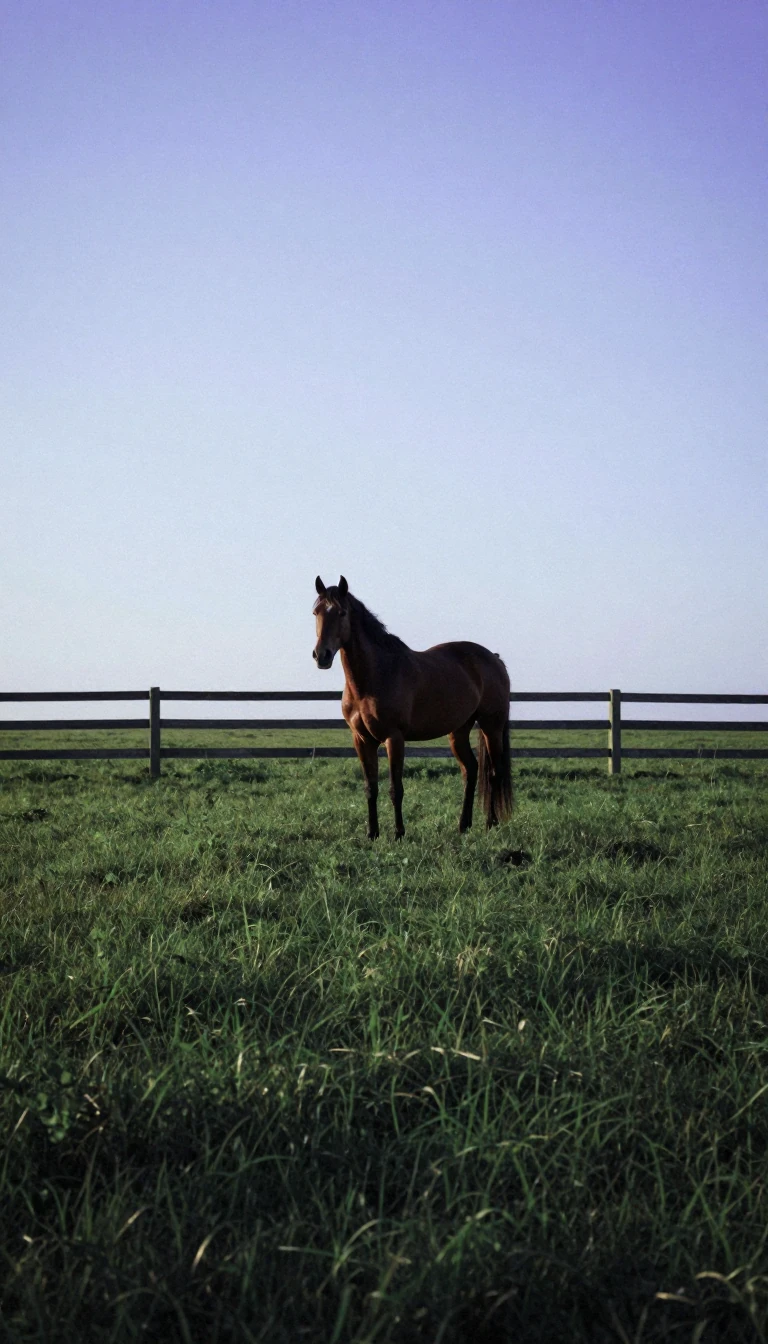
In short: Famous for their white coats and gravity-defying jumps at the Spanish Riding School, Lipizzans are not born white. These muscular horses are products of centuries of selective breeding, surviving multiple wars and near-extinction events to become a UNESCO-recognized cultural treasure that remains deeply tied to its original sixteenth-century roots.
The Lipizzan breed emerged in the sixteenth century under the Habsburg Empire, specifically designed to meet the needs of both military cavalry and the elite riding academies of central Europe. The breed takes its name from the village of Lipica, where Archduke Charles II established a stud farm in 1580. By crossing Spanish, Barb, and Arabian stock with the now-extinct Neapolitan breed, breeders created a powerful, agile horse capable of the complex maneuvers known as the airs above the ground.
While often mistaken for white horses, Lipizzans are actually gray. They are born with dark coats—typically bay or black—and gradually lighten as they age, a process that concludes between six and ten years of age. This preference for the gray coat was a deliberate choice by the royal family, which prioritized the color in their breeding programs. Today, the breed is defined by eight classic stallion dynasties, with all modern Lipizzans tracing their lineage back to these foundation sires from the late eighteenth and early nineteenth centuries.
The breed’s survival is a story of repeated rescue. During the turmoil of the eighteenth, nineteenth, and twentieth centuries, the horses were frequently evacuated to escape conflict. Most famously, during the Second World War, the United States Army conducted Operation Cowboy to recover hundreds of Lipizzans from Czechoslovakia, preventing them from being slaughtered. Today, the Lipizzan International Federation oversees nearly 11,000 registered horses across 19 countries, ensuring that the traditional training methods—which trace their philosophy back to the Ancient Greek writer Xenophon—continue to be practiced at institutions like the Spanish Riding School in Vienna.
Opens the Intellect+ feed with this card first. Swipe up for the next one.
Sources
- Summary by Intellect · source: Lipizzan
To cite this card, link to https://intellectplus.co.uk/app/nature-lipizzan.
How we source, check and correct cards: Editorial standards.
General information, not professional advice. Spotted an error? Flag the card or see corrections and complaints.
Intellect Plus is a visual educational discovery platform for exploring fascinating facts and ideas. Brain Food, Not Brain Rot. What is Intellect Plus?
Related
More in Animal breeds and hybrids · More in Nature · Latest · A–Z · All topics
