Why the miniature horse is a genetic pony masquerading as a full-sized horse
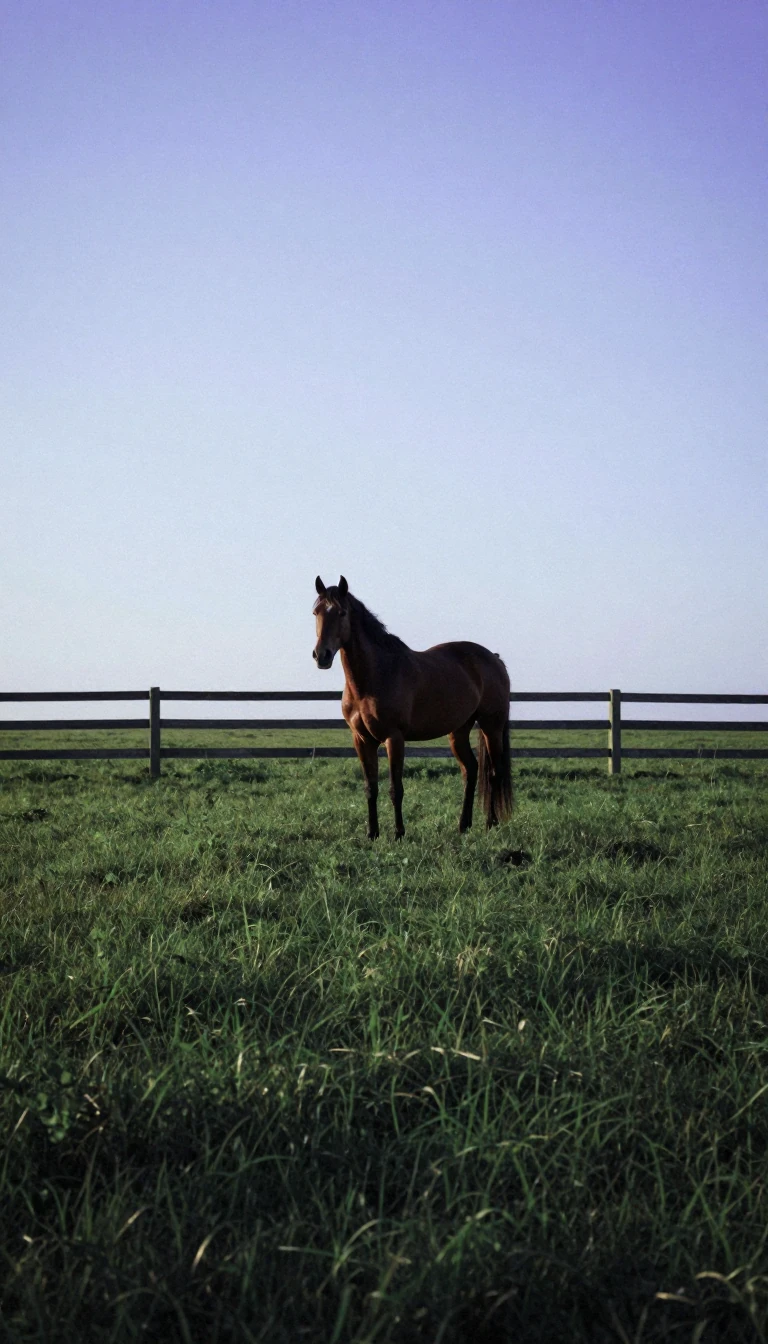
In short: Miniature horses are more than just pint-sized versions of their larger counterparts. While bred to mirror the physical traits of full-sized horses, these hardy animals are genetically closer to ponies like the Shetland. They live remarkably long lives, yet face a unique set of health challenges distinct from larger breeds.
Though they appear to be scaled-down horses, miniature horses are genetically distinct from full-sized horses, sharing more DNA with pony breeds such as the Shetland. Standing typically at or below 100 cm, or 40 inches, these animals have been selectively bred across the globe, with distinct breed statuses emerging in countries like Argentina, the Netherlands, and South Africa. Their history traces back to Europe in the late eighteenth century, with notable breeding programs established in England during the early twentieth century by Lady Estella Mary Hope and Lady Dorothea.
The development of specific breeds often involved intense selective breeding. In Argentina, the Falabella breed was refined in the mid-1800s by Patrick Newtall and later Juan Falabella, who integrated bloodlines from Welsh Ponies, Shetland ponies, and small Thoroughbreds to fix their diminutive stature. Similarly, the South African Miniature Horse began its development in 1945 under Wynand de Wet. By 1989, this breed gained official recognition from the South African Stud Book and Livestock Improvement Association, showcasing a wide range of appearances from draft-like builds to more refined, Arab-like conformations.
Miniature horses are notably hardy, often living between 25 and 35 years. However, their small size brings specific physiological vulnerabilities. Unlike larger horses, they are rarely prone to conditions like navicular disease or laryngeal hemiplegia. Instead, they face higher risks of hyperlipaemia and eclampsia. Their dental health is also a frequent concern, with issues like brachygnathism and prognathism occurring often. These dental misalignments can lead to poor chewing, which in turn increases the risk of colic from sand or enteroliths. Beyond their health, these horses serve diverse roles, ranging from companion animals and driving horses to specialized guide animals for the blind, particularly in cultures where dogs are viewed as unclean.
Opens the Intellect+ feed with this card first. Swipe up for the next one.
Sources
- Summary by Intellect · source: Miniature horse
To cite this card, link to https://intellectplus.co.uk/app/nature-miniature-horse.
How we source, check and correct cards: Editorial standards.
General information, not professional advice. Spotted an error? Flag the card or see corrections and complaints.
Intellect Plus is a visual educational discovery platform for exploring fascinating facts and ideas. Brain Food, Not Brain Rot. What is Intellect Plus?
Related
More in Animal breeds and hybrids · More in Nature · Latest · A–Z · All topics
