Loess is a mysterious, wind-blown sediment that can stand in vertical, habitable cliffs.
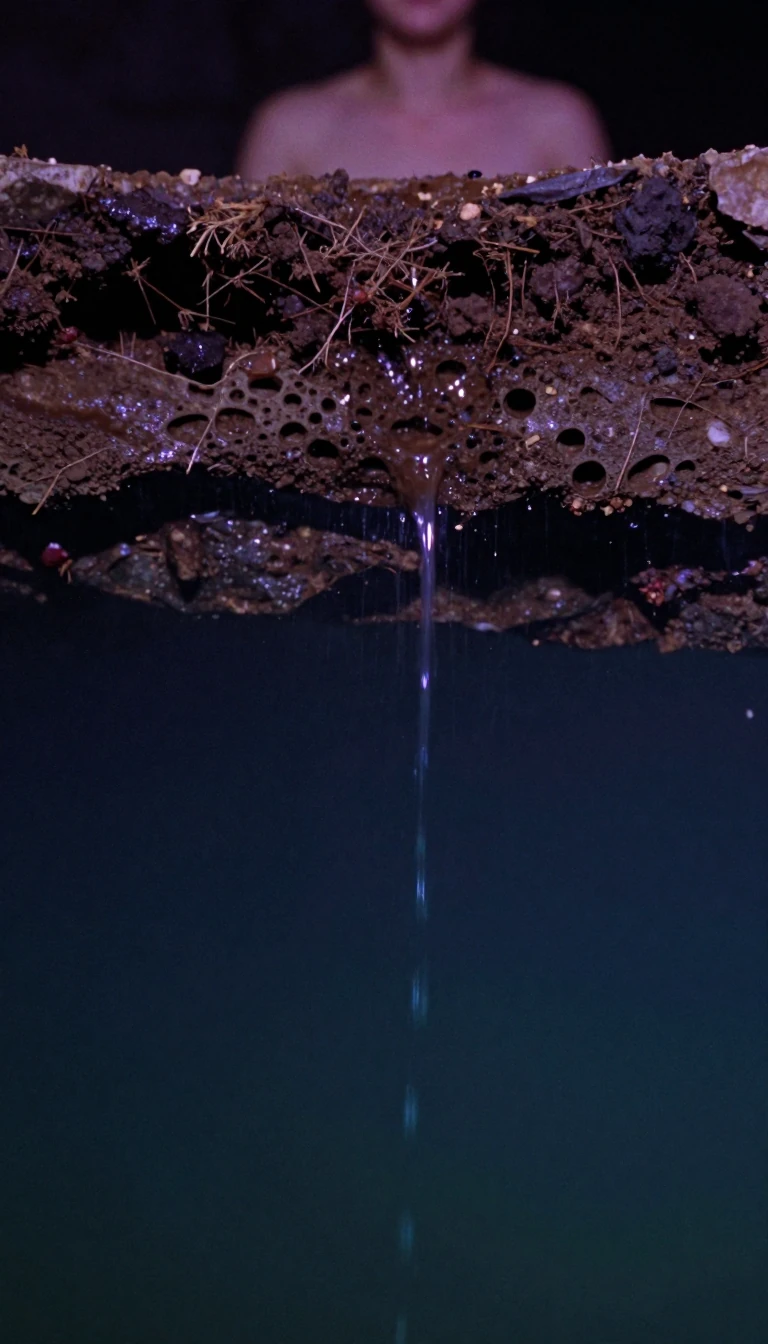
In short: Loess is a unique, porous, and yellowish-brown deposit covering ten percent of Earth's land. Named for the German word meaning loose, this silt-rich material forms stable, vertical bluffs that have been carved into dwellings for centuries. Yet, despite its strength when dry, this landscape is deceptively fragile.
Loess is a geologically recent, unstratified sediment composed primarily of silt-sized grains. Its unique structure is held together by calcium carbonate, which acts as a loose cement. This composition creates a highly porous material, typically 50 to 55 percent porous, which is traversed by vertical capillaries. These microscopic channels are often reinforced by lime incrustations that develop around the roots of ancient grasses, granting the sediment a vertical texture that allows it to stand in steep, sometimes overhanging, bluffs.
The stability of loess is entirely dependent on its moisture content. When dry, it is remarkably firm, enabling the excavation of cellarlike dwellings, such as those found on the Loess Plateau in China, where some bluffs reach 150 meters in height. However, this strength vanishes when the material is soaked. Wetting reduces grain cohesion by two-thirds and significantly lowers the angle of internal friction. Consequently, saturated loess is prone to sudden collapse, slumping, and the formation of sinkholes or ravines, a process often accelerated by groundwater flow and gully erosion.
Beyond its structural quirks, loess is a vital archive of Earth's environmental history. Because it accumulates as wind-blown dust, researchers use it to reconstruct past climate patterns. Modern techniques like luminescence dating—which measures the time since mineral grains were last exposed to daylight—have allowed scientists to correlate loess sequences across the Northern Hemisphere. By analyzing the mineralogical composition and grain size of these deposits, geologists can trace the origins of ancient dust storms and map the atmospheric circulation systems that shaped our planet's temperate and semiarid zones.
Opens the Intellect+ feed with this card first. Swipe up for the next one.
Sources
- Summary by Intellect · source: Loess | Wind-Deposited Sediment & Soil Formation | Britannica
- Also: Loess
To cite this card, link to https://intellectplus.co.uk/app/nature-loess.
How we source, check and correct cards: Editorial standards.
General information, not professional advice. Spotted an error? Flag the card or see corrections and complaints.
Intellect Plus is a visual educational discovery platform for exploring fascinating facts and ideas. Brain Food, Not Brain Rot. What is Intellect Plus?
Related
More in Geology · More in Nature · Latest · A–Z · All topics
