Why the most destructive earthquake vibrations are named after a British mathematician
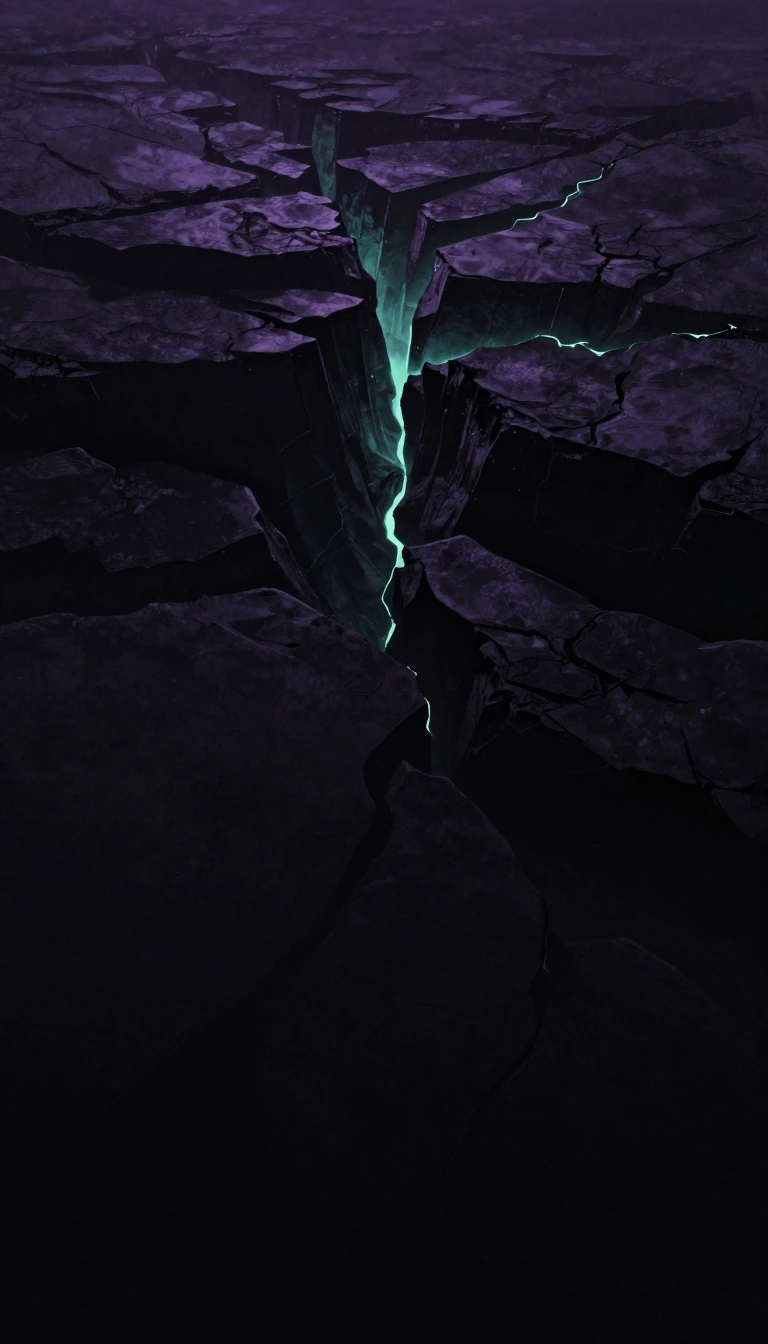
In short: When an earthquake strikes, the shaking you feel most intensely is likely caused by Love waves. Named after A.E.H. Love, who mathematically predicted their existence in 1911, these surface waves travel horizontally and cause the ground to shift side-to-side, often wreaking more havoc than the initial body waves.
Seismic activity generates several types of waves that travel through the Earth. While P and S waves move through the planet's interior, Love waves are confined to the surface. They are a specific category of surface wave characterized by horizontal, transverse vibrations. Because they are guided by the Earth's free surface and propagate through varying elastic layers, they move differently than their counterparts. Specifically, they travel faster than Rayleigh waves, the other primary type of surface wave, but slower than the body waves that precede them.
The mechanism behind these waves involves the interference of shear waves trapped within an elastic layer. Mathematically, A.E.H. Love, a British mathematician and expert in elasticity, first described this phenomenon in his 1911 work, 'Some Problems of Geodynamics.' His theoretical framework explains how these waves are propagated when a low-velocity layer sits atop a high-velocity medium. This configuration allows the waves to persist and travel across the globe, sometimes circling the Earth multiple times before their energy finally dissipates.
Because Love waves decay more slowly with distance than body waves, they remain powerful far from the earthquake's epicenter. This makes them particularly destructive in alluvial basins and to structures located outside the immediate focus area. While folklore once suggested that animals could predict earthquakes, it is now understood that they are simply more sensitive to the initial, subtler body waves that arrive before the more violent, horizontal shaking of the Love waves begins. Today, scientists even use measurements of these waves to calculate the thickness of the Earth's crust.
Opens the Intellect+ feed with this card first. Swipe up for the next one.
Sources
- Summary by Intellect · source: Love wave | seismology | Britannica
- Also: Love wave
To cite this card, link to https://intellectplus.co.uk/app/nature-love-wave.
How we source, check and correct cards: Editorial standards.
General information, not professional advice. Spotted an error? Flag the card or see corrections and complaints.
Intellect Plus is a visual educational discovery platform for exploring fascinating facts and ideas. Brain Food, Not Brain Rot. What is Intellect Plus?
Related
More in Geology · More in Nature · Latest · A–Z · All topics
