The Maastrichtian was the final act of the dinosaurs before a global reset.
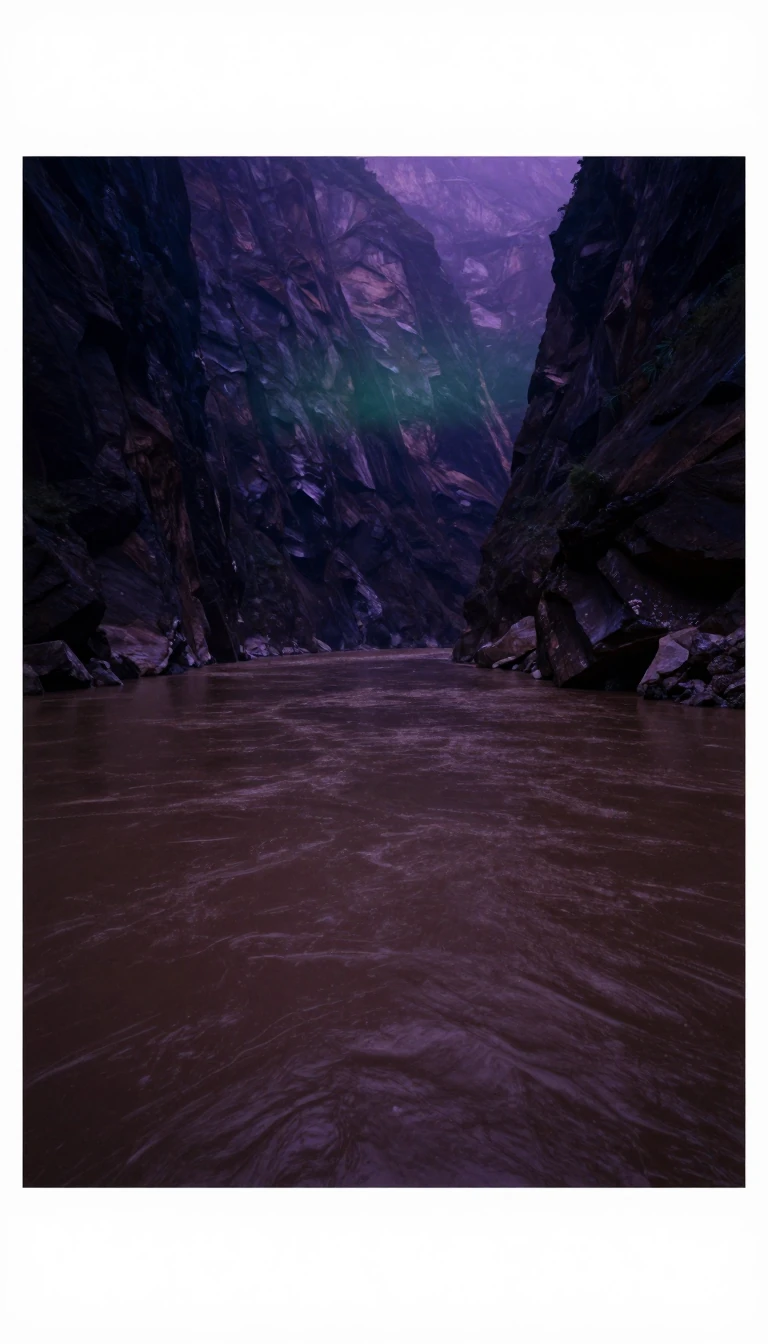
In short: Spanning roughly six million years, the Maastrichtian represents the concluding chapter of the Cretaceous Period. It was a time of dramatic tectonic shifts and cooling climates, setting the stage for a massive asteroid impact that would permanently alter the trajectory of life on Earth by wiping out the non-avian dinosaurs.
The Maastrichtian, named by André Hubert Dumont in 1849 after strata near Maastricht, Netherlands, defines the final interval of the Mesozoic Era. Lasting from approximately 72.2 to 66 million years ago, this age witnessed the near-completion of the breakup of the supercontinent Pangaea. During this time, Australia began separating from Antarctica, and Madagascar drifted away from India. Tectonic activity was intense, with the Deccan Traps in India beginning to erupt around 67 million years ago, an event linked to India’s passage over the Réunion hotspot.
Climatically, the world was in transition. A major reorganization of ocean circulation, triggered by the opening of deep-water pathways in the South Atlantic, initiated a shift from the humid Mesozoic environment toward the cooler, more arid conditions of the Cenozoic. While the Laramide orogeny contributed to global cooling by draining North America's Western Interior Seaway, the late Maastrichtian experienced a brief, sharp warming spike attributed to volcanic activity from the Deccan Traps. This period also saw the rise of angiosperms, which accounted for up to 80% of land plant genera, even as ferns and gymnosperms remained more widespread.
The era was defined by the dominance of dinosaurs, though the landscape was changing. While tyrannosaurids reigned in the north and abelisaurids in the south, the fossil record reveals a surprising diversity of pterosaurs and the emergence of early modern birds like Asteriornis. The age ended abruptly at the Cretaceous–Paleogene boundary, marked by an iridium anomaly and the extinction of numerous groups, including non-avian dinosaurs, plesiosaurs, and mosasaurs. This mass extinction, widely attributed to an asteroid impact, brought the Maastrichtian—and the entire Cretaceous Period—to a definitive close.
Opens the Intellect+ feed with this card first. Swipe up for the next one.
Sources
- Summary by Intellect · source: Maastrichtian
To cite this card, link to https://intellectplus.co.uk/app/nature-maastrichtian.
How we source, check and correct cards: Editorial standards.
General information, not professional advice. Spotted an error? Flag the card or see corrections and complaints.
Intellect Plus is a visual educational discovery platform for exploring fascinating facts and ideas. Brain Food, Not Brain Rot. What is Intellect Plus?
Related
More in Organisms · More in Nature · Latest · A–Z · All topics
