The Late Cretaceous was a world of ice-free poles and inland seas
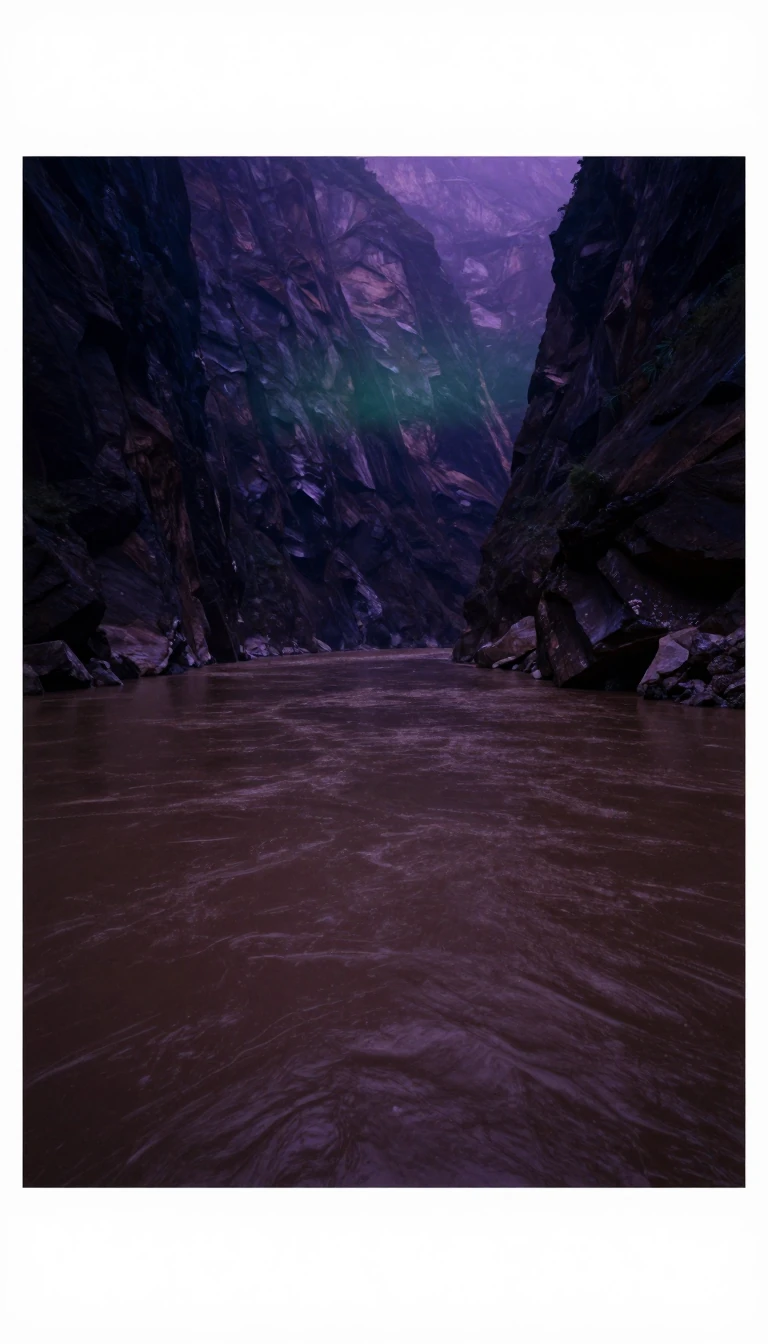
In short: Before the final extinction of the dinosaurs 66 million years ago, Earth was a vastly different place. With no polar ice caps, sea levels soared, splitting continents with massive inland waterways. This was a time of evolutionary giants, where flowering plants began their rise to global dominance.
The Late Cretaceous Epoch, spanning from 100.5 to 66 million years ago, was the final chapter of the Mesozoic Era. During this time, the supercontinent Pangea continued its fragmentation, driving the formation of the Atlantic Ocean and reshaping global geography. One of the most striking features of this era was the Western Interior Seaway, a massive body of water that bisected North America. At its peak, this sea stretched over 3,000 kilometres in length and reached depths of 760 metres, serving as a habitat for marine reptiles like the mosasaur Platycarpus.
The global climate was significantly warmer and more humid than today, with polar regions remaining entirely free of ice. These ice-free poles supported temperate rainforests dominated by conifers, ferns, and cycads, which endured months of total darkness during the polar night. This unique environment fostered a major evolutionary transition: the rise of flowering plants, or angiosperms. While their origins are older, they became increasingly prominent by the end of the epoch, fundamentally changing ecosystems through new relationships with insect pollinators.
On land, dinosaurs reigned supreme, though the fauna shifted dramatically throughout the 80-million-year duration of the Cretaceous. While the Jurassic was defined by massive sauropods, the Late Cretaceous saw the rise of hadrosaurs—the 'cows of the Cretaceous'—and apex predators like the tyrannosaurs. In the southern hemisphere, titanosaurs like the 37.5-metre-long Patagotitan reached sizes that challenge our understanding of biological limits. This era of giants and rapid diversification ended abruptly 66 million years ago with the K-Pg mass extinction, a catastrophic event likely triggered by a meteorite impact.
The reasons behind the extreme gigantism of some Cretaceous species remain a subject of debate among palaeontologists. Some researchers point to atmospheric gas composition, while others suggest an intense evolutionary arms race between predators and prey. Regardless of the cause, the Late Cretaceous represents a peak of biological complexity that was permanently altered by the extinction event that closed the Mesozoic, clearing the stage for the Cenozoic Era.
Opens the Intellect+ feed with this card first. Swipe up for the next one.
Sources
- Summary by Intellect · source: The Cretaceous Period: What was Earth like before dinosaurs went extinct? | Natural History Museum
- Also: Late Cretaceous Epoch | geochronology | Britannica
- Also: Late Cretaceous
To cite this card, link to https://intellectplus.co.uk/app/nature-late-cretaceous.
How we source, check and correct cards: Editorial standards.
General information, not professional advice. Spotted an error? Flag the card or see corrections and complaints.
Intellect Plus is a visual educational discovery platform for exploring fascinating facts and ideas. Brain Food, Not Brain Rot. What is Intellect Plus?
Related
More in Organisms · More in Nature · Latest · A–Z · All topics
