Beyond the Kangaroo: Meet the Diverse and Ancient World of the Macropodiformes
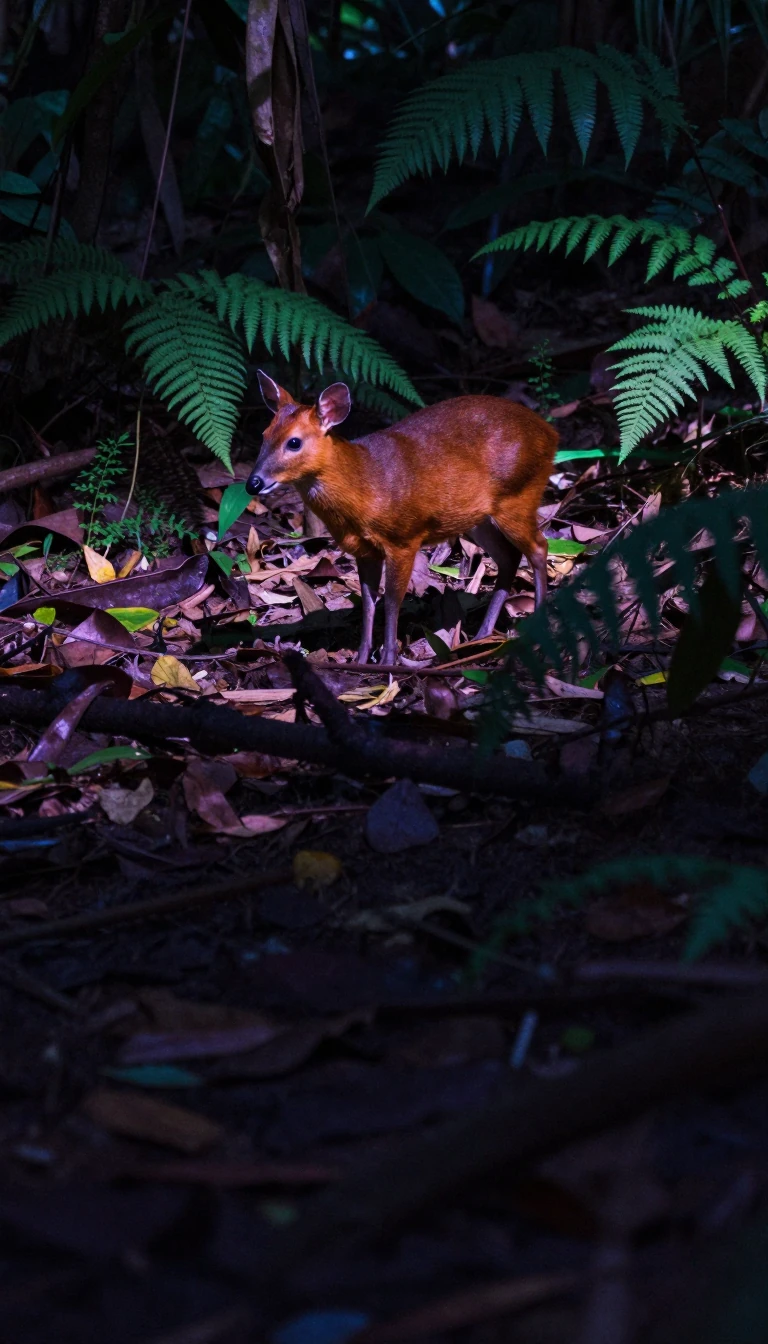
In short: When you think of Australia's iconic marsupials, you likely picture the bounding kangaroo. Yet, the suborder Macropodiformes encompasses a far wider array of creatures, from the tiny musky rat-kangaroo to the elusive banded hare-wallaby. These animals represent a complex evolutionary lineage that challenges our simple understanding of marsupial classification.
The Macropodiformes, commonly referred to as macropods, constitute one of the three distinct suborders within the expansive marsupial order Diprotodontia. While they are frequently grouped as a standalone category, current scientific discussion suggests they might actually be nested within the suborder Phalangeriformes. This potential classification shift highlights the intricate and often debated nature of marsupial taxonomy, where evolutionary relationships are constantly being re-evaluated through new evidence.
This group is remarkably diverse, containing several distinct families that showcase different evolutionary paths. At the base of the lineage, we find the extinct Balbaridae, which were quadrupedal kangaroos that walked on all fours, contrasting sharply with the bipedal movement of their modern relatives. In contrast, the family Hypsiprymnodontidae is represented today by the musky rat-kangaroo, known scientifically as Hypsiprymnodon moschatus, which serves as a living link to the group's ancient roots.
The family Potoroidae includes a variety of smaller macropods such as bettongs, potoroos, and various species of rat-kangaroos, including the rufous rat-kangaroo and the now-extinct desert rat-kangaroo. Finally, the family Macropodidae contains the most recognizable members, including kangaroos, wallabies, and the unique banded hare-wallaby. Together, these families illustrate a broad spectrum of adaptation, ranging from the specialized locomotion of the larger species to the more primitive, ground-dwelling habits of their smaller cousins. Understanding these relationships is essential for grasping how these marsupials successfully diversified across the Australian landscape over millions of years.
Opens the Intellect+ feed with this card first. Swipe up for the next one.
Sources
- Summary by Intellect · source: Macropodiformes
To cite this card, link to https://intellectplus.co.uk/app/nature-macropodiformes.
How we source, check and correct cards: Editorial standards.
General information, not professional advice. Spotted an error? Flag the card or see corrections and complaints.
Intellect Plus is a visual educational discovery platform for exploring fascinating facts and ideas. Brain Food, Not Brain Rot. What is Intellect Plus?
Related
More in Vertebrates · More in Nature · Latest · A–Z · All topics
