Why these tiny tropical birds evolved into the world's most acrobatic forest dancers
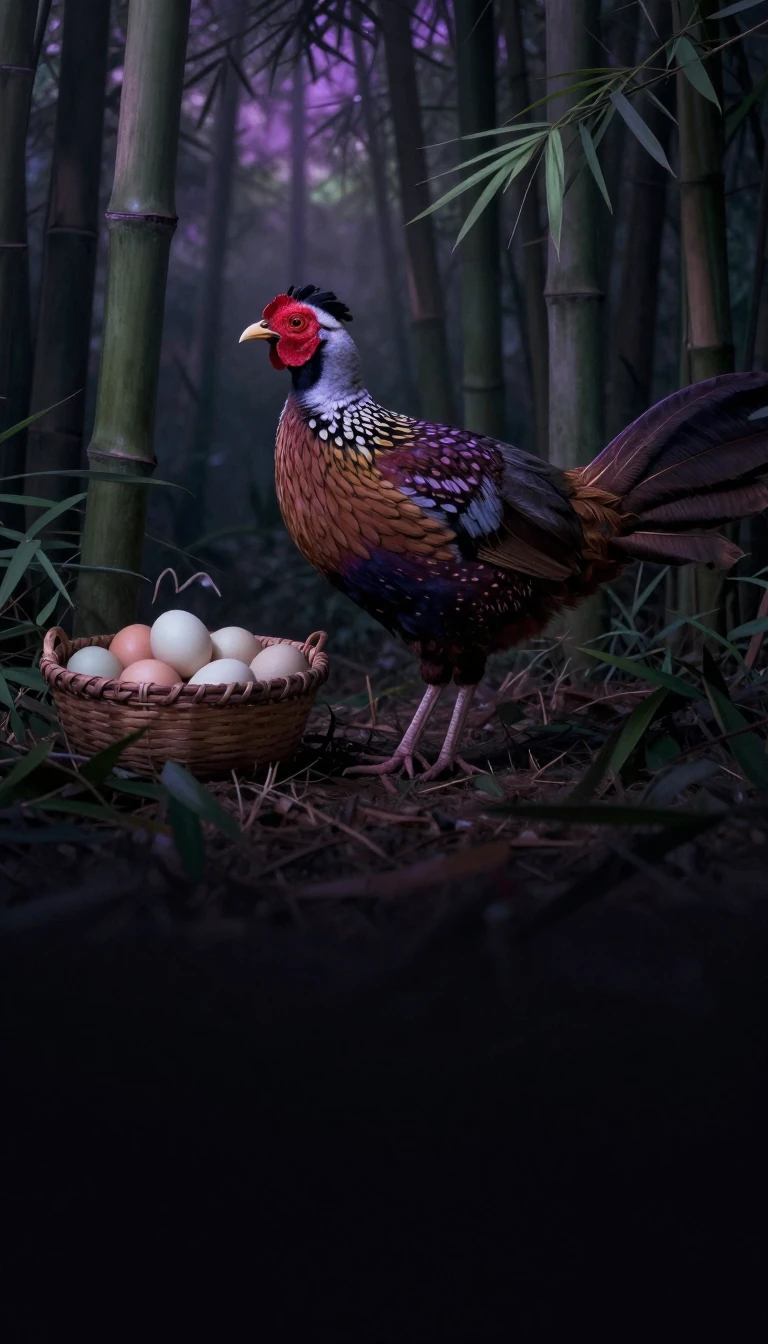
In short: Manakins are small, stubby birds of the American tropics, but their courtship rituals are anything but modest. Males gather in elaborate leks to perform high-speed, acrobatic displays involving wing snapping and complex flight. This behavior is so specialized that some species have even evolved unique muscular receptors to power their movements.
The family Pipridae, comprising 55 species, is a group of small suboscine passerine birds native to the American tropics, ranging from southern Mexico to northern Argentina. Their name, derived from the Middle Dutch word for 'little man,' belies their intense, high-energy social lives. While females remain relatively inconspicuous with dull green plumage, males often display striking black-and-color patterns, sometimes adorned with specialized crown or tail feathers. These birds are primarily forest-dwellers, feeding on small fruits and insects in the understory.
The most remarkable aspect of manakin biology is their lekking behavior. Unlike many bird species that form stable pairs, most manakins engage in polygynous mating systems where males congregate at specific sites to compete for female attention. These displays are highly evolved, ranging from simple movements in the ancestral subfamily Neopelminae to the intricate, acrobatic performances seen in the more recent Piprinae. These rituals involve bowing, jumping, and rapid wing vibrations. Some genera, such as Machaeropterus and Manacus, have developed heavily modified wing feathers that function like musical instruments, producing distinct buzzing and snapping sounds during flight.
This physical prowess is supported by unique physiological adaptations. Research indicates that the ability to perform superfast wing movements in genera like Manacus and Ceratopipra is facilitated by specialized peripheral androgen receptors located directly within their muscular tissue. Furthermore, the manakin syrinx—the vocal organ—is so highly variable that it serves as a primary diagnostic tool for identifying different species. This evolutionary focus on display is thought to be linked to their fruit-based diet, which may have allowed for the time and energy required to develop such complex, ritualized courtship behaviors over generations.
The evolutionary history of the family is a subject of ongoing study, with molecular phylogenies helping to refine the classification of these birds. While the family was first introduced in 1815, modern research continues to shift our understanding of their relationships, such as the recent reclassification of the genus Schiffornis into the family Tityridae. Today, manakins remain a fascinating example of how sexual selection can drive rapid, specialized adaptive radiation in a relatively small, compact avian group.
Opens the Intellect+ feed with this card first. Swipe up for the next one.
Sources
- Summary by Intellect · source: Manakin
To cite this card, link to https://intellectplus.co.uk/app/nature-manakin.
How we source, check and correct cards: Editorial standards.
General information, not professional advice. Spotted an error? Flag the card or see corrections and complaints.
Intellect Plus is a visual educational discovery platform for exploring fascinating facts and ideas. Brain Food, Not Brain Rot. What is Intellect Plus?
Related
More in Vertebrates · More in Nature · Latest · A–Z · All topics
