Mistletoe is not just a holiday decoration but a sophisticated, often lethal, plant parasite.
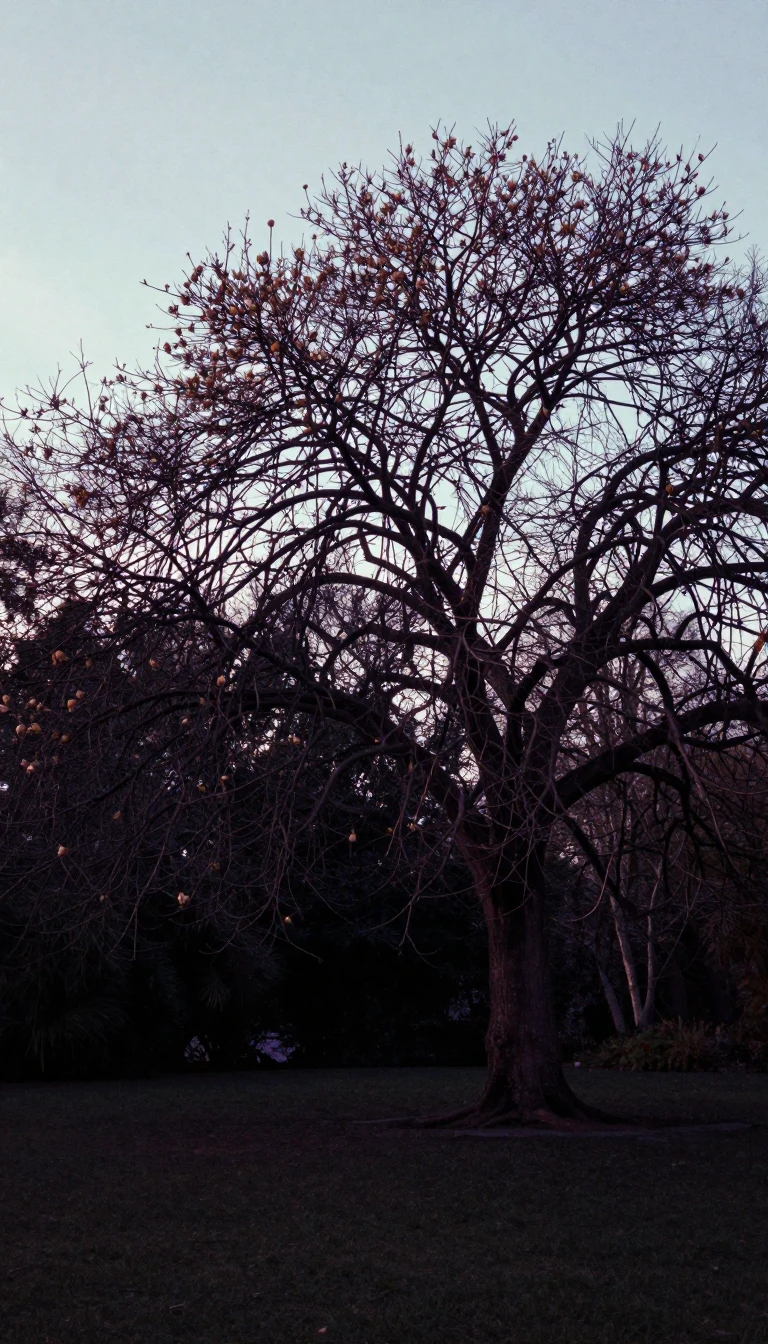
In short: While famous for prompting kisses, mistletoe is actually a diverse group of hemiparasitic plants that survive by hijacking the circulatory systems of trees. These organisms range from subtle greenery to aggressive invaders that can kill entire host crowns, acting as both ecological pests and vital keystone species for wildlife.
Mistletoe is a common name for hundreds of species of obligate hemiparasitic plants within the order Santalales. These plants attach to host trees or shrubs using a specialized structure called a haustorium, which penetrates the host's bark to siphon off water and nutrients. While they perform some photosynthesis, their reliance on the host varies; some species, like Viscum minimum, have evolved to be almost entirely dependent on their host, living largely inside the plant tissue with only fruit and flowers emerging.
The evolution of this parasitic lifestyle has occurred independently at least five times within the Santalales. The largest family, Loranthaceae, contains over 900 species, while other families like Santalaceae and Misodendraceae also host various mistletoe types. These plants are spread primarily by birds, such as the mistle thrush or the phainopepla, which consume the berries and deposit the sticky seeds—coated in a complex adhesive called viscin—onto branches. Once attached, the seed germinates and begins the slow process of penetrating the host's conductive tissue.
Though often viewed as pests that stunt or kill trees, mistletoe is increasingly recognized as an ecological keystone species. In western North America, the dense, branching growths known as 'witches' brooms' provide essential nesting sites for the northern spotted owl and the marbled murrelet. Furthermore, mistletoe attracts berry-eating birds that inadvertently increase the germination rates of other plants in the area. Despite these benefits, the plants contain toxins; European mistletoe (Viscum album) contains viscumin, which inhibits protein synthesis, while American mistletoe (Phoradendron serotinum) contains phoratoxins that disrupt cell membranes.
Historically, mistletoe has been steeped in myth and ritual. Ancient cultures associated it with fertility and protection, and by the eighteenth century, it had become a fixture of Christmas celebrations. From the Roman belief that it brought peace to the Victorian tradition of kissing under the bough, mistletoe has maintained a persistent, if occasionally misunderstood, role in human culture, bridging the gap between a dangerous botanical parasite and a symbol of festive vitality.
Opens the Intellect+ feed with this card first. Swipe up for the next one.
Sources
- Summary by Intellect · source: Mistletoe
To cite this card, link to https://intellectplus.co.uk/app/nature-mistletoe.
How we source, check and correct cards: Editorial standards.
General information, not professional advice. Spotted an error? Flag the card or see corrections and complaints.
Intellect Plus is a visual educational discovery platform for exploring fascinating facts and ideas. Brain Food, Not Brain Rot. What is Intellect Plus?
Related
More in Organisms · More in Nature · Latest · A–Z · All topics
