The Mississippi Delta is not a delta, but a fertile, historically complex alluvial plain.
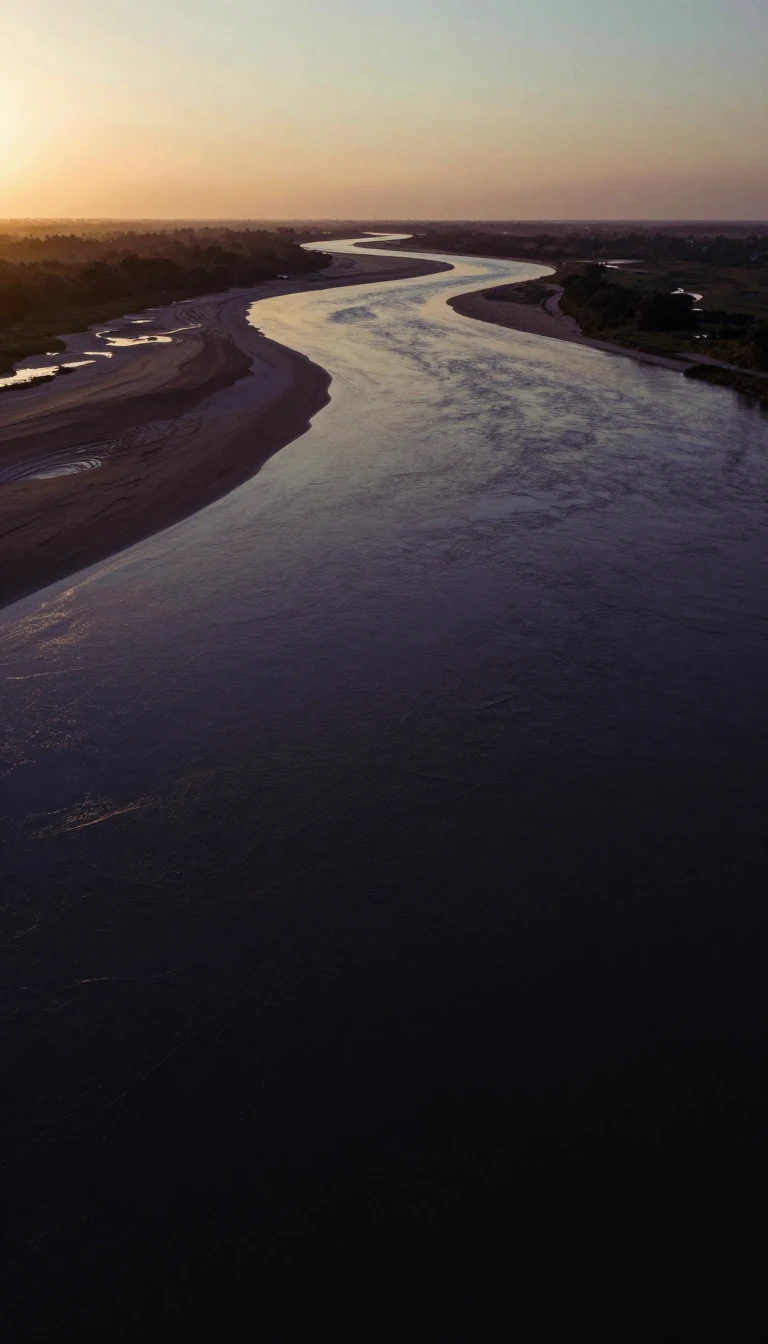
In short: Often misidentified as the Mississippi River's mouth, this northwest Mississippi region is actually an ancient alluvial floodplain between the Mississippi and Yazoo rivers. Known for its rich soil and history of cotton production, the Delta has been a site of profound economic, cultural, and political transformation for over two centuries.
Spanning approximately 4.4 million acres, the Mississippi Delta is a flat expanse of deep, fertile alluvial soil. While it was once covered in dense hardwood forests, the region became a global hub for cotton cultivation during the 19th century. Historian Sven Beckert famously compared the Delta's economic dominance in the early 1800s to the role of Saudi Arabia in the modern oil market. This agricultural boom relied heavily on the forced labor of enslaved African Americans, who were transported in massive numbers to work the plantations.
The social and political landscape of the Delta was fundamentally reshaped following the American Civil War. Although many Black and White migrants initially sought to purchase land, political oppression and the 1890 state constitution effectively disenfranchised most Black residents. This era of Jim Crow and economic hardship, marked by sharecropping and tenant farming, eventually triggered the Great Migration. While some argue that farm mechanization drove this exodus, others, such as Isabel Wilkerson, characterize it as a deliberate flight from political terror and systemic racial violence.
Today, the Delta’s economy has diversified beyond traditional cotton farming. Large-scale, capital-intensive agribusinesses now produce soybeans, rice, and catfish, while the region has also embraced industries like automotive parts and casino gambling. Despite these shifts, the Delta remains a cultural touchstone, recognized as the birthplace of Delta blues and famous for unique culinary inventions like the Delta-style hot tamale, which emerged from the intersection of diverse immigrant communities.
The region's geography continues to define its character. Positioned in the middle of the Mississippi Flyway, it remains one of the world's premier waterfowl destinations. While the area was historically prone to catastrophic flooding, such as the major events of 1927 and 2011, it is now managed through extensive levee and reservoir systems. The Delta persists as a place where the remnants of a complex agrarian past meet the challenges of modern economic development.
Opens the Intellect+ feed with this card first. Swipe up for the next one.
Sources
- Summary by Intellect · source: Mississippi Delta
- Also: www.britannica.com — The Delta | region, Mississippi, United States | Britannica
To cite this card, link to https://intellectplus.co.uk/app/nature-mississippi-delta.
How we source, check and correct cards: Editorial standards.
General information, not professional advice. Spotted an error? Flag the card or see corrections and complaints.
Intellect Plus is a visual educational discovery platform for exploring fascinating facts and ideas. Brain Food, Not Brain Rot. What is Intellect Plus?
Related
More in Organisms · More in Nature · Latest · A–Z · All topics
