Why your molars are the ultimate biological millstones for grinding down your dinner
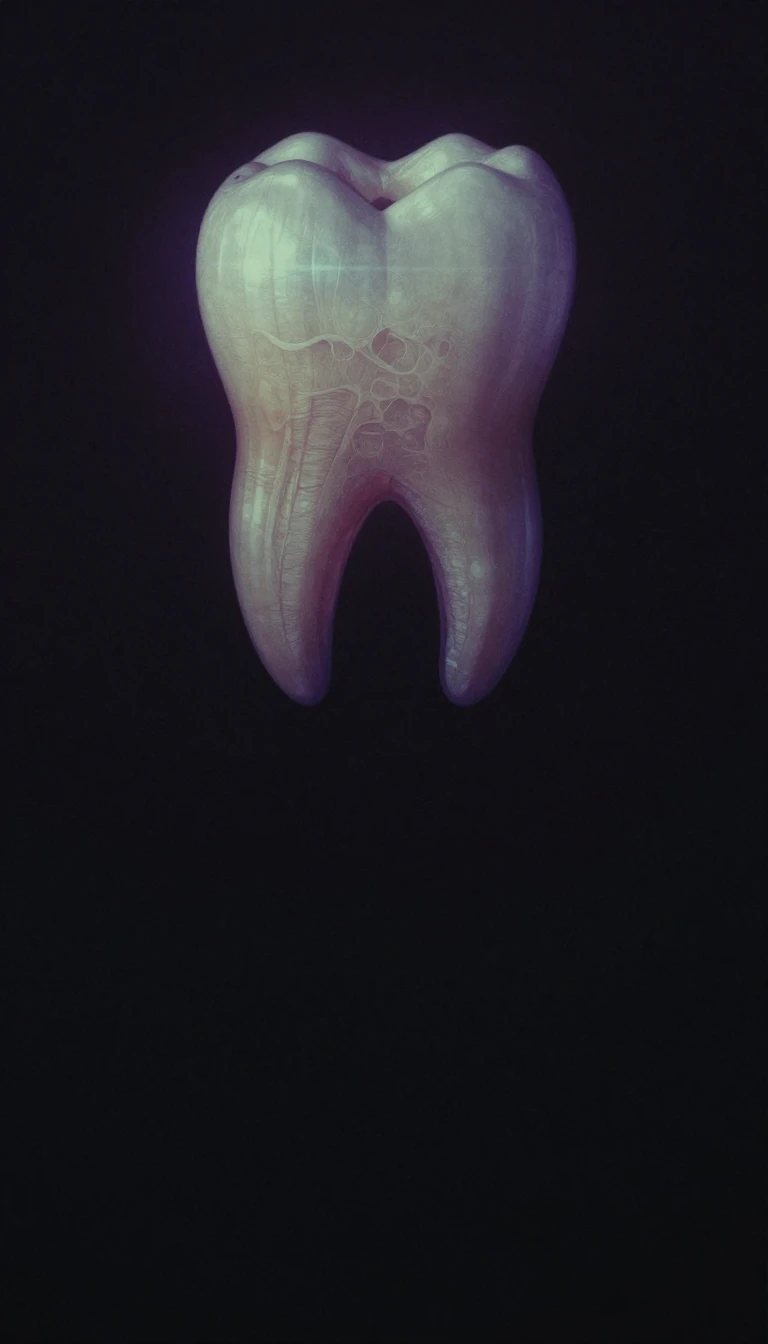
In short: Molars are the heavy-duty machinery of the mammalian mouth, evolved to grind food with precision. From the rounded, crushing hills of human teeth to the complex, washboard-like ridges of an elephant, these teeth showcase a staggering diversity of form, each perfectly adapted to the specific diet of the animal.
The term molar originates from the Latin 'molaris dens', or 'millstone tooth', a fitting description for the large, flat teeth located at the back of the mouth. In humans, these teeth are categorized as brachydont, meaning they are low-crowned with a distinct crown, neck, and root. Adult humans typically possess 12 molars, arranged in four groups of three. The final, rearmost molar—the wisdom tooth—is the last to emerge, usually around age 20, though it is frequently absent or vestigial in many individuals.
Mammalian molar evolution is defined by the complexity of the crown, which features projections called cusps and separating valleys. The most significant design in therian mammals is the tribosphenic molar, which functions like a mortar and pestle. In this system, the upper molar's protocone meshes with the lower molar's talonid basin to crush food. While this design is ancestral to many groups, mammals have evolved diverse variations. Bunodont molars, found in humans and bears, feature low, rounded cusps ideal for omnivorous diets, whereas herbivores often possess lophodont teeth, characterized by elongated enamel ridges that facilitate thorough grinding.
Beyond basic shapes, some mammals have developed specialized dentition to handle extreme wear. Hypsodont teeth, seen in horses and cattle, are high-crowned with enamel extending past the gum line, providing a reservoir of material to withstand gritty, fibrous diets. In some rodents, these teeth even grow continuously throughout life. Conversely, carnivorous mammals often utilize secodont teeth, which are blade-like and sharp, designed for slicing rather than grinding. These specialized forms, from the W-shaped dilambdodont molars of shrews to the loxodonty of elephants, illustrate how the basic mammalian tooth has been refined over millions of years to master almost every ecological niche.
The exact evolutionary path of these complex teeth remains a subject of scientific debate. Theories such as the 'differentiation theory' suggest cusps emerged through budding, while the 'concrescence theory' proposes they formed by the clustering of originally separate conical teeth. Regardless of their origin, the structural sophistication of the molar remains one of the most vital characteristics of mammalian biology.
Opens the Intellect+ feed with this card first. Swipe up for the next one.
Sources
- Summary by Intellect · source: Molar (tooth)
To cite this card, link to https://intellectplus.co.uk/app/nature-molar-tooth.
How we source, check and correct cards: Editorial standards.
General information, not professional advice. Spotted an error? Flag the card or see corrections and complaints.
Intellect Plus is a visual educational discovery platform for exploring fascinating facts and ideas. Brain Food, Not Brain Rot. What is Intellect Plus?
Related
More in Organisms · More in Nature · Latest · A–Z · All topics
