Why is this Philippine city known as the Emerald City of Metro Manila?
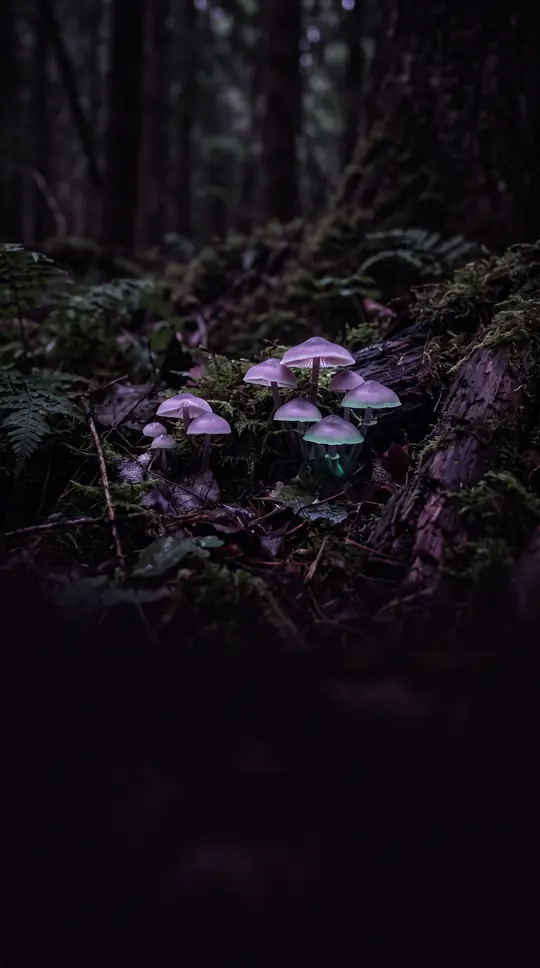
In short: Muntinlupa stands out in the dense urban sprawl of Metro Manila for its surprising abundance of green spaces. While it houses the nation's most notorious penitentiary, the city also contains some of the country's most expensive residential communities, creating a unique landscape that defies typical expectations for a highly urbanized region.
Muntinlupa, located in the National Capital Region of the Philippines, is officially recognized as a highly urbanized city with a 2024 population of 552,225. Its geography is defined by a transition from gentle rolling hills in the west, reaching elevations of 60 meters, to flatter terrain bordering Laguna de Bay in the east. This proximity to the country's largest lake historically shaped the area, which was once dedicated to farming and fishing before the 1930s relocation of the New Bilibid Prison transformed its character.
The city's moniker, Emerald City, stems from the large green patches visible from above, a rarity in the surrounding metropolitan area. These areas include the New Bilibid Prison reservation, which remains relatively undeveloped, though there are ongoing discussions about relocating the facility to Nueva Ecija or Occidental Mindoro. Conversely, the district of Alabang serves as the city's central business district, hosting its tallest structures on land that formerly served as the Alabang Stock Farm.
The climate of Muntinlupa is marked by a distinct wet season that peaks in August, with an average annual rainfall of 2,014.8 millimeters. The city also sits atop the West Valley Fault, a segment of the Marikina Valley Fault System capable of producing earthquakes of magnitude 7 or higher. Despite these geological and environmental factors, the city continues to evolve, with land reclamation projects along Laguna Lake and a complex administrative history that saw it shift between the provinces of Manila, La Laguna, and Rizal before joining Metropolitan Manila in 1975.
Etymologically, the name Muntinlupa is likely a Hispanization of the Tagalog words 'muntíng lupà', meaning 'small land' or 'little soil'. This naming convention aligns with other historical place-names from the Spanish era, such as 'Munting Ilog'. Today, the city is divided into nine barangays, many of which derive their names from local botanical features like the cupang tree or the buri palm, reflecting the region's deep-rooted connection to its natural landscape.
Opens the Intellect+ feed with this card first. Swipe up for the next one.
Sources
- Summary by Intellect · source: Muntinlupa
To cite this card, link to https://intellectplus.co.uk/app/nature-muntinlupa.
How we source, check and correct cards: Editorial standards.
General information, not professional advice. Spotted an error? Flag the card or see corrections and complaints.
Intellect Plus is a visual educational discovery platform for exploring fascinating facts and ideas. Brain Food, Not Brain Rot. What is Intellect Plus?
Related
More in Air · More in Nature · Latest · A–Z · All topics
