Earth's highest clouds shine at night because they are made of frozen space dust
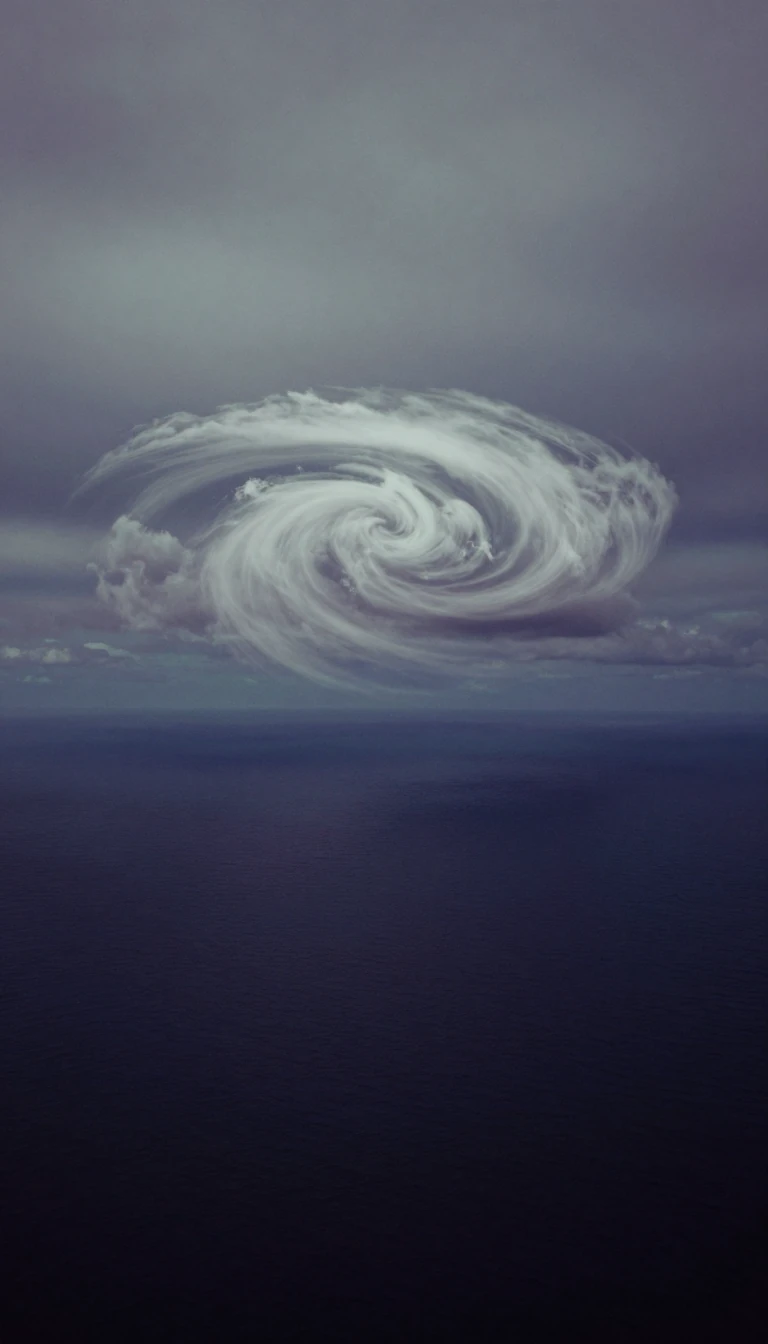
In short: Floating 50 miles above the surface, noctilucent clouds are the highest in our atmosphere. These electric blue streaks appear only during summer, when the mesosphere reaches extreme, freezing temperatures. They are so thin they vanish in daylight, revealing themselves only when the sun illuminates them from below the horizon.
Noctilucent clouds, or polar mesospheric clouds, exist in the mesosphere at altitudes between 47 and 53 miles. At this height, the atmosphere is incredibly thin, with a density roughly one hundred thousandth of that at Earth's surface. These clouds are composed of ice crystals that form when water vapor collects on dust particles, which may originate from meteors, volcanic eruptions, or pollutant emissions.
The formation of these clouds is a counterintuitive phenomenon. While one might expect summer to be warm, the mesosphere actually reaches its coldest temperatures—often dropping below -125 °C—during the summer months. This cooling occurs because air rises and expands over the sunlit pole. When temperatures dip below this frost point, the sparse water vapor present in the dry air freezes into ice crystals, creating the wispy, silver-blue patterns visible to observers at high latitudes.
Because these clouds are so tenuous, they cannot be seen against the bright daytime sky. They only become visible during astronomical twilight, when the sun is at least 6 degrees below the horizon, allowing the clouds to remain sunlit while the observer is in darkness. Their presence is a direct indicator that temperatures in the upper atmosphere have dropped below the frost point.
Recent decades have seen changes in the frequency and reach of these clouds. Since the early 21st century, they have appeared more often at lower latitudes, a trend linked to a 15 percent increase in methane concentrations in the upper atmosphere between the early 1980s and early 2010s. Chemical reactions involving these methane molecules contribute additional water vapor to the mesosphere, potentially reinforcing the formation of these rare, high-altitude displays.
Opens the Intellect+ feed with this card first. Swipe up for the next one.
Sources
- Summary by Intellect · source: Noctilucent clouds: A complete guide to the rare
- Also: Noctilucent cloud
- Also: Noctilucent cloud | Polar Mesosphere, Nocturnal & Stratospheric | Britannica
To cite this card, link to https://intellectplus.co.uk/app/nature-noctilucent-cloud.
How we source, check and correct cards: Editorial standards.
General information, not professional advice. Spotted an error? Flag the card or see corrections and complaints.
Intellect Plus is a visual educational discovery platform for exploring fascinating facts and ideas. Brain Food, Not Brain Rot. What is Intellect Plus?
Related
More in Air · More in Nature · Latest · A–Z · All topics
