The Caucasus Mountains act as a massive climatic wall between Europe and Asia
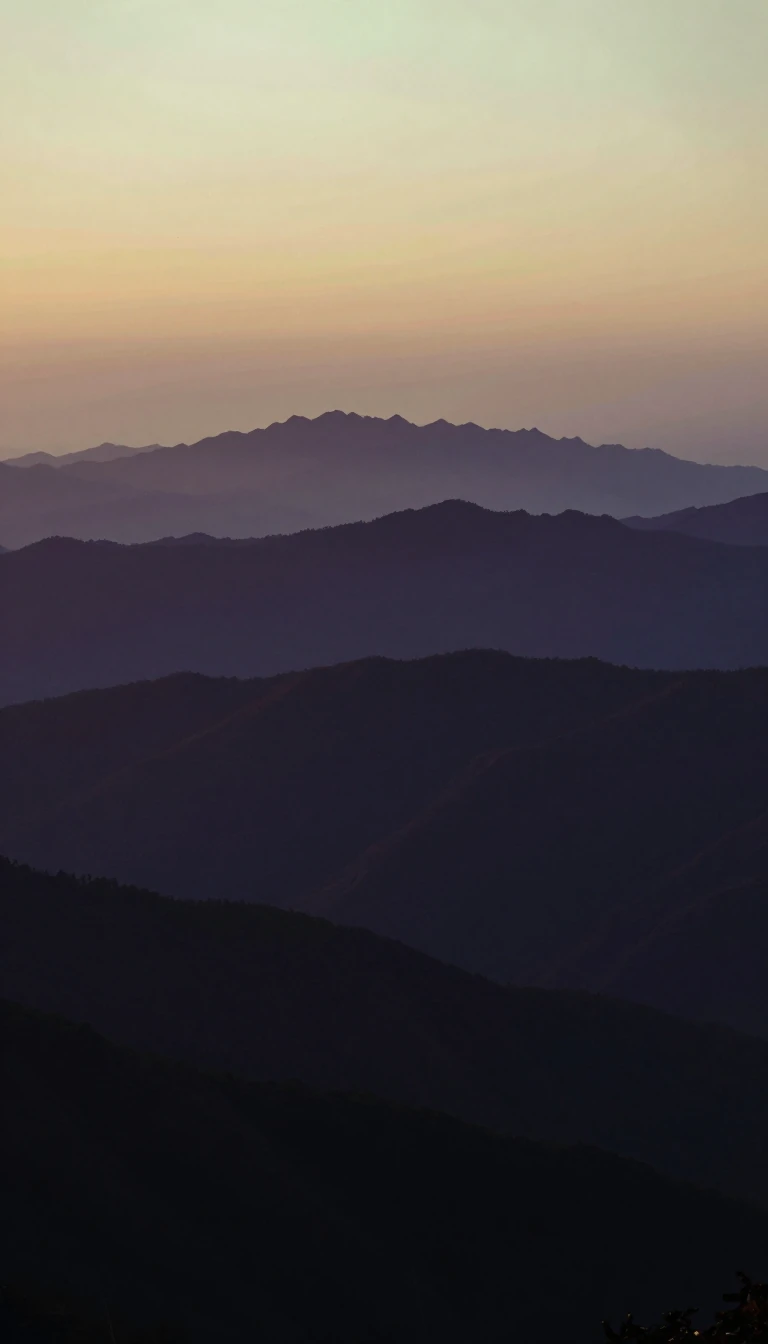
In short: Rising between the Black and Caspian Seas, the Caucasus range is more than a geographic border. This formidable barrier dictates the weather for entire regions, trapping subtropical warmth in the south while leaving the northern plains to face harsh, continental extremes. It is a landscape defined by ancient, colliding tectonic forces.
Geologically, the Caucasus is a complex mosaic born from the Alpine geosyncline, a structural downwarp dating back roughly 25 million years. The Greater Caucasus stands as a massive anticline, an upfold of the Earth's crust that has been continuously reshaped by cycles of erosion and uplift. At its core, the western sector exposes crystalline rocks like schists and granites that are over 200 million years old, while the eastern reaches are dominated by younger Jurassic-era sandstones and clayey schists.
The range serves as a critical climatic divider. Its high crest impedes the movement of air masses, preventing cold northern winds from reaching Transcaucasia and blocking warm southern air from entering Ciscaucasia. This creates sharp temperature contrasts: while Ciscaucasia experiences average January temperatures between 23 and 28 degrees Fahrenheit, the Kolkhida Lowland to the south remains significantly milder, often between 40 and 43 degrees. Summer temperatures show less variance, though the east remains notably more continental and arid compared to the humid, subtropical west.
Water movement further defines the region's physical character. The Greater Caucasus hosts over 2,000 glaciers, which cover about 1 percent of its total area, with 70 percent concentrated on the cooler northern face. Rivers originating in the mountains follow a distinct flood cycle triggered by spring snowmelt, sometimes lasting six months. In contrast, the rivers of the Ciscaucasian plains often freeze in winter and can dwindle to near-dry states during the heat of summer, highlighting the stark environmental divide between the high peaks and the surrounding lowlands.
Opens the Intellect+ feed with this card first. Swipe up for the next one.
Sources
- Summary by Intellect · source: Caucasus | Mountains, Facts, & Map | Britannica
- Also: North Caucasus
To cite this card, link to https://intellectplus.co.uk/app/nature-north-caucasus.
How we source, check and correct cards: Editorial standards.
General information, not professional advice. Spotted an error? Flag the card or see corrections and complaints.
Intellect Plus is a visual educational discovery platform for exploring fascinating facts and ideas. Brain Food, Not Brain Rot. What is Intellect Plus?
Related
More in Physical geography · More in Nature · Latest · A–Z · All topics
